


General info
Recovery boilers recovers chemicals and energy
The Recovery boiler recovers chemicals and energy, which is used in the cooking stage where wood chips are refined to cellulose. The black liquor is a mixture of by-products from this separation process. All chemical pulp-mills rely on this chemical recovery cycle for their economical and sustainable operations.
About cleaning
Sootblowers are used for keeping the recovery boiler clean inside
Pulp mills stay competitive by lowering production costs per ton cellulose and one way of doing that is to increase cellulose production. Since the recovery boiler is so expensive, it is commonly operated at or above original design capacity which presents challenges with regard to availability and runnability. The most common reason for reduced availability is fouling of the boiler heating surfaces. To combat this, retractable steam sootblowers are used to keep the boiler insides clean.
Our motto
We go beyond technical specification
Like the recovery boiler operation, retractable steam sootblowers are operated at maximum capacity, meaning there is no additional cleaning capacity to increase boiler availability. It is in this setting that Heat Management introduces the patented High Impact Sootblowing System (HISS®), increasing the cleaning capacity of the existing steam sootblowers by 100 %. Benefits include increasing recovery boiler availability, cleanability and efficiency, while reducing steam consumption. HISS® provides the mill with the necessary tool, allowing safe increase of production levels beyond technical specification i.e. process more black liquor in the boiler, without jeopardizing the process availability.
References on Recovery boilers
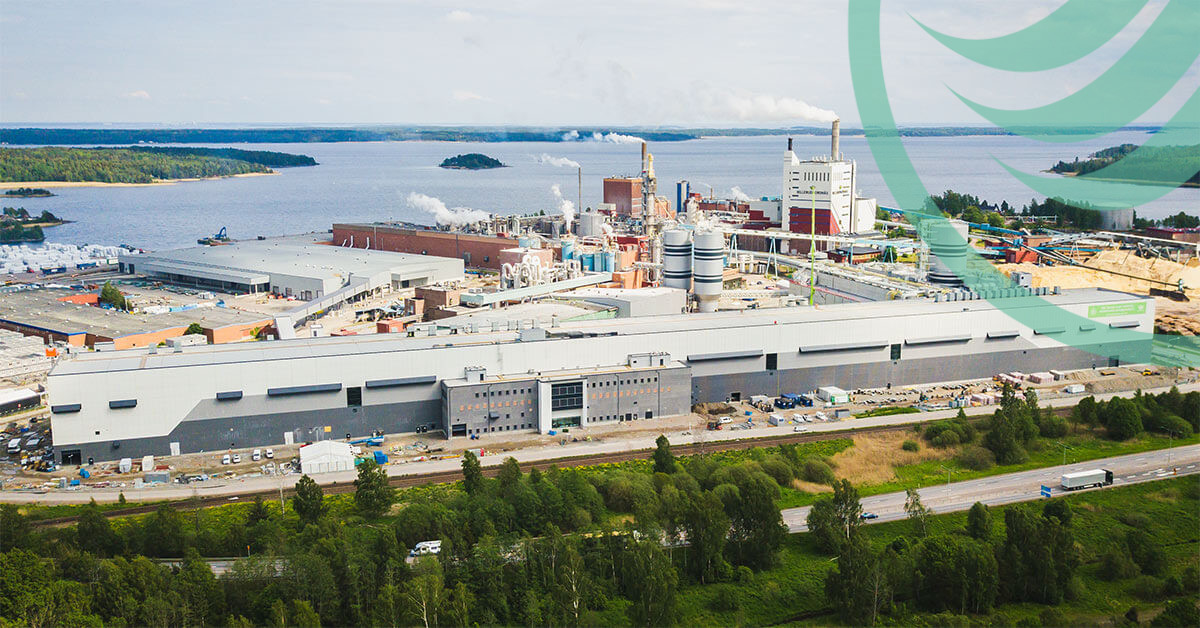
BillerudKorsnäs Gruvön, Sweden
A case study and report from our HISS installation on the Recovery boiler at BillerudKorsnäs Gruvön. All 80 steam sootblowers were rebuilt in 2016 with Heat Managements patented solution using local actuator controlling the steam poppet valves on the sootblowers, together with upgraded software for monitoring/controlling the sootblowers.
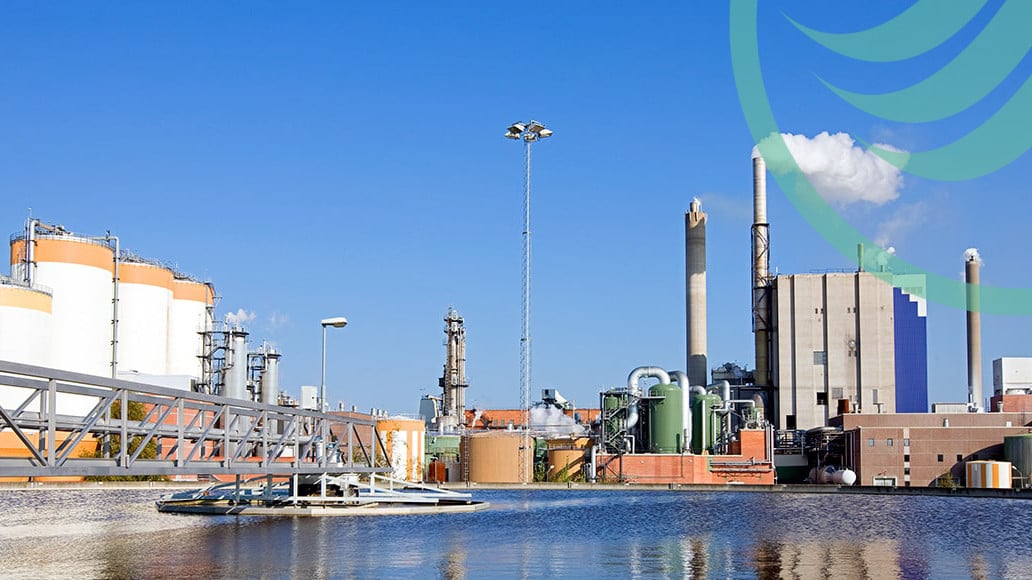
Billerud Korsnäs Frövi Rockhammar, Frövi Sweden
A case study and results from our infrasound cleaning installation on a Recovery boiler at Billerud Korsnäs Frövi. The project motivation for Billerud Korsnäs Frövi was to keep the duct clear and eliminate the frequent water washing with resultant corrosion. Other benefits, such as elimination of steam consumption of the soot blowers, would be a bonus. An infrasound generator was installed to solve the problem.

Westrock Board, Stevenson USA
The black liquor heat recovery boiler at Westrock Board is used in the production process of corrugated paper board. The nameplate capacity is 1.43 million lbs. DS / day (649 metric ton / day). The precipitator of the boiler experienced problems with build-up of dust.
Articles related to Recovery boiler

Leveraging Acospector™ Process Analytics for Predictive Biomass Boiler Maintenance
The Unique Maintenance Challenges of Biomass-Fired Boilers To win a fight, you must know your enemy. For biomass plant operators, [...]

Step-by-Step Guide to Implementing Carryover Early Warning in Pulp Mills
A Practical Framework for Preventing Black Liquor Carryover and Enhancing Recovery Boiler Safety You know the feeling. That tense silence [...]

Step-by-Step Guide to Implementing Infrasound Boiler Cleaning in Biomass Plants
You know the feeling. That slow, creeping rise in flue gas temperature signals another battle lost. Ash and slag are [...]