

A Practical Framework for Preventing Black Liquor Carryover and Enhancing Recovery Boiler Safety
You know the feeling. That tense silence in the control room when boiler parameters start to drift, the low rumble that signals something is wrong. It’s the moment every boiler engineer and plant manager dreads—the prelude to a black liquor carryover event, a crisis that threatens not just production, but the very safety of your team and the integrity of your most critical assets.
For too long, managing recovery boilers has been a reactive battle against fouling, corrosion, and the catastrophic risk of smelt-water explosions. You’re forced to rely on lagging indicators like temperature drops, which only tell you that the damage has already begun. But what if you could shift from this state of reactive crisis to one of proactive control, armed with the foresight to act before disaster strikes?
This is not just a possibility; it is the new standard for operational excellence. This guide provides a clear, actionable, step-by-step framework for implementing a carryover early warning system in your pulp mill. It’s time to stop managing emergencies and start engineering reliability.
Understanding the Critical Need for Early Warning
Black liquor carryover is a silent threat that escalates with terrifying speed. When unstable firing conditions cause droplets of black liquor to be carried into the superheater section, they adhere to the tubes, creating a corrosive blanket of sodium and potassium salts. This fouling chokes heat transfer, cripples efficiency, and, most critically, initiates a chemical process that eats away at the boiler tubes, leading to failure and the potential for a devastating smelt-water explosion.
Traditional monitoring methods are fundamentally flawed because they are reactive. Visual inspections are infrequent, and by the time temperature drops are significant enough to register, severe fouling is already underway. According to the U.S. Environmental Protection Agency, industry best practices mandate the use of early warning systems to detect equipment malfunctions before they escalate, making proactive monitoring not just an operational advantage but a fundamental requirement for responsible mill management.
This is where a modern early warning system transforms your operational strategy. It’s not just another alarm; it’s a strategic asset for pulp mill boiler optimization. By providing real-time, predictive intelligence, it empowers your team to see problems the moment they begin, turning a high-stakes guessing game into a controlled, data-driven process that enhances safety, uptime, and operational stability.
The 5-Step Implementation Framework
Implementing a carryover early warning system is a structured process that transforms your boiler management from the ground up. We’ve broken it down into five manageable phases, guiding you from initial assessment to full operational integration. This framework ensures a seamless transition to a safer, more predictable operating environment.
Step 1: Pre-Implementation Assessment & Planning
Your journey begins with a thorough audit of your existing boiler conditions. Analyze historical data on fouling events, unplanned shutdowns, and any known carryover incidents to establish a clear baseline of your current challenges. This data-driven approach helps you pinpoint common carryover triggers specific to your boiler, whether they stem from liquor firing instability, sootblowing patterns, or variations in black liquor quality.
With this understanding, you can define sharp, measurable project goals. Instead of a vague desire for “improvement,” set concrete Key Performance Indicators (KPIs) like “reduce unplanned cleaning shutdowns by 15%” or “eliminate all critical carryover events within six months.” Finally, assemble your project team, ensuring key personnel from operations, maintenance, and instrumentation are aligned and committed to the project’s success from day one.
Step 2: System Selection & Optimal Sensor Placement
The heart of any effective system is its technology. Modern boiler carryover detection systems often utilize advanced acoustic or optical sensors designed to identify the specific signatures of carryover events in real-time. As detailed in advanced boiler optimization techniques for pulp and paper, these technologies provide the earliest possible indication of trouble, long before traditional instruments can react.
Strategic sensor placement is non-negotiable for achieving this early warning. The sensors must be installed in the superheater region, precisely where carryover first deposits. This location is your first line of defense, providing the critical seconds and minutes your operators need to take corrective action. It is also vital to select a system that integrates seamlessly with your existing plant Distributed Control System (DCS), ensuring the data is delivered directly to your operators without creating a separate, isolated information silo.
Step 3: Physical Installation & System Calibration
With the right technology selected and placement determined, the physical installation can begin. This involves mounting the sensors and running armored cabling, all of which must be robust enough to withstand the harsh, high-temperature environment of a recovery boiler. Proper installation is foundational to the system’s long-term reliability and accuracy.
Once the hardware is in place, the most crucial phase begins: system calibration. The system must be run during a period of normal, “clean” boiler operation to establish a reliable baseline. This baseline is your ‘golden record’ of what a healthy process looks like, and it becomes the benchmark against which all future deviations are measured. Initial system diagnostics are then performed to confirm that all sensors are communicating correctly with the central unit and the DCS.
Step 4: DCS Integration & Alarm Configuration
The true power of an early warning system is unlocked when its data is visible and actionable in the control room. The system’s output must be fed directly into your DCS, providing operators with clear, intuitive trend visualizations. This integration transforms raw data into operational intelligence, as outlined in our guide to harnessing engineering data for continuous industrial boiler optimization.
To prevent alarm fatigue and ensure operators respond only to genuine threats, configure a tiered alarm logic. For example:
Level 1 "Warning": Minor deviation from baseline.
Action: Investigate process stability, monitor trends.

Level 2 "Critical Alert": Significant carryover event detected.
Action: Immediately adjust liquor firing rate, check sootblowers.
This approach ensures that operators are alerted with the appropriate level of urgency. Furthermore, setting up historical data logging is essential for analyzing events over time, identifying recurring patterns, and continuously optimizing boiler operation.
Step 5: Operator Training & SOP Development
Technology alone cannot solve the problem; your team is the final, critical link in the chain. Comprehensive training is required to ensure control room staff can accurately interpret the system’s data and respond decisively to alarms. This training transforms operators from passive monitors into proactive problem-solvers who understand the “why” behind the alerts.
This empowerment must be supported by clear, documented Standard Operating Procedures (SOPs). These SOPs should outline the specific actions to be taken for each alarm level, such as adjusting the liquor firing rate, checking sootblower operation, or inspecting liquor nozzles. Well-defined SOPs eliminate guesswork during high-stress situations and ensure a consistent, effective response every time, turning your team into a highly coordinated defense against carryover.
Post-Implementation: Optimization and Troubleshooting
Implementation isn’t a finish line; it’s the starting gun for a new era of data-driven optimization. During the first few months of operation, use the rich data stream to fine-tune your alarm thresholds. This process helps eliminate false positives and ensures the system is perfectly calibrated to the unique operational personality of your boiler.
You may encounter common scenarios that require adjustment. For instance:
- Problem: Frequent, low-level alarms.
- Solution: Investigate underlying process stability issues or consider recalibrating the baseline during a confirmed period of clean operation.
- Problem: The system fails to detect a known minor event.
- Solution: Review and potentially lower the alarm thresholds, and perform a physical check to ensure sensor cleanliness.
Ultimately, this system allows you to transition from simple alerts to true predictive maintenance. By analyzing trend data, you can begin to predict fouling cycles and schedule preventative cleaning with surgical precision. This shift, supported by principles of predictive maintenance strategies using real-time analytics, moves your maintenance from a fixed schedule to a condition-based model, saving time, resources, and preventing unplanned downtime.
The Impact: Measuring the ROI of Carryover Prevention
The primary benefit of an early warning system is the profound enhancement of safety and risk mitigation. You are actively reducing the risk of catastrophic equipment failure and creating a safer work environment for your entire team. This peace of mind is the most valuable return on investment.
Operationally, the impact is immediate and measurable. One leading pulp producer documented a 15% reduction in downtime after implementation, a direct result of fewer unplanned shutdowns and extended periods between water washes. A similar early warning system in a paper mill’s lubrication circuit led to a 35% reduction in maintenance costs in the first year by catching contamination incidents before they caused breakdowns, demonstrating the powerful financial case for proactive condition monitoring.
The efficiency gains extend throughout your operation. Cleaner superheaters lead to better heat transfer, reducing fuel consumption. Optimized sootblowing, guided by real-time data, lowers steam consumption. These improvements in operational stability and energy efficiency directly support your plant’s broader sustainability and ESG goals, proving that safe operation is also smart, efficient, and responsible operation.
A New Standard for Recovery Boiler Management
Implementing a carryover early warning system is more than a technical upgrade; it is a fundamental transformation of your operational philosophy. It moves recovery boiler management from a reactive, high-risk activity to a proactive, data-driven, and inherently safer process. You are replacing uncertainty with information, and risk with control.
This technology is no longer a luxury—it is a cornerstone of modern, efficient, and safe pulp mill operations. By taking these steps, you are not just installing a piece of equipment; you are investing in the stability, profitability, and long-term security of your entire facility.
See how Heat Management’s patented Carryover Early Warning System helped a leading pulp mill reduce downtime and improve safety by exploring our advanced techniques for preventing boiler fouling.
Latest news & articles

Meeting EU Emissions Standards Through Advanced Steam Sootblowing Technologies
The walls are closing in. For plant managers and engineers [...]
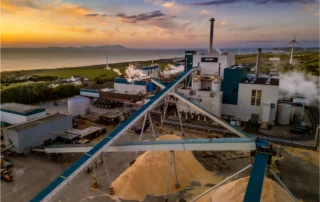
Holmen Workington increases sustainable power generation with HISS
Holmen Paper Mill in Workington, UK, identified an opportunity [...]

Interview with Hans Ladum-Poulsen, Heat Management’s newest representative
With many years of experience in the boiler and [...]
Step-by-Step Guide to Implementing Carryover Early Warning in Pulp Mills
March 2, 2026 /

A Practical Framework for Preventing Black Liquor Carryover and Enhancing Recovery Boiler Safety
You know the feeling. That tense silence in the control room when boiler parameters start to drift, the low rumble that signals something is wrong. It’s the moment every boiler engineer and plant manager dreads—the prelude to a black liquor carryover event, a crisis that threatens not just production, but the very safety of your team and the integrity of your most critical assets.
For too long, managing recovery boilers has been a reactive battle against fouling, corrosion, and the catastrophic risk of smelt-water explosions. You’re forced to rely on lagging indicators like temperature drops, which only tell you that the damage has already begun. But what if you could shift from this state of reactive crisis to one of proactive control, armed with the foresight to act before disaster strikes?
This is not just a possibility; it is the new standard for operational excellence. This guide provides a clear, actionable, step-by-step framework for implementing a carryover early warning system in your pulp mill. It’s time to stop managing emergencies and start engineering reliability.
Understanding the Critical Need for Early Warning
Black liquor carryover is a silent threat that escalates with terrifying speed. When unstable firing conditions cause droplets of black liquor to be carried into the superheater section, they adhere to the tubes, creating a corrosive blanket of sodium and potassium salts. This fouling chokes heat transfer, cripples efficiency, and, most critically, initiates a chemical process that eats away at the boiler tubes, leading to failure and the potential for a devastating smelt-water explosion.
Traditional monitoring methods are fundamentally flawed because they are reactive. Visual inspections are infrequent, and by the time temperature drops are significant enough to register, severe fouling is already underway. According to the U.S. Environmental Protection Agency, industry best practices mandate the use of early warning systems to detect equipment malfunctions before they escalate, making proactive monitoring not just an operational advantage but a fundamental requirement for responsible mill management.
This is where a modern early warning system transforms your operational strategy. It’s not just another alarm; it’s a strategic asset for pulp mill boiler optimization. By providing real-time, predictive intelligence, it empowers your team to see problems the moment they begin, turning a high-stakes guessing game into a controlled, data-driven process that enhances safety, uptime, and operational stability.
The 5-Step Implementation Framework
Implementing a carryover early warning system is a structured process that transforms your boiler management from the ground up. We’ve broken it down into five manageable phases, guiding you from initial assessment to full operational integration. This framework ensures a seamless transition to a safer, more predictable operating environment.
Step 1: Pre-Implementation Assessment & Planning
Your journey begins with a thorough audit of your existing boiler conditions. Analyze historical data on fouling events, unplanned shutdowns, and any known carryover incidents to establish a clear baseline of your current challenges. This data-driven approach helps you pinpoint common carryover triggers specific to your boiler, whether they stem from liquor firing instability, sootblowing patterns, or variations in black liquor quality.
With this understanding, you can define sharp, measurable project goals. Instead of a vague desire for “improvement,” set concrete Key Performance Indicators (KPIs) like “reduce unplanned cleaning shutdowns by 15%” or “eliminate all critical carryover events within six months.” Finally, assemble your project team, ensuring key personnel from operations, maintenance, and instrumentation are aligned and committed to the project’s success from day one.
Step 2: System Selection & Optimal Sensor Placement
The heart of any effective system is its technology. Modern boiler carryover detection systems often utilize advanced acoustic or optical sensors designed to identify the specific signatures of carryover events in real-time. As detailed in advanced boiler optimization techniques for pulp and paper, these technologies provide the earliest possible indication of trouble, long before traditional instruments can react.
Strategic sensor placement is non-negotiable for achieving this early warning. The sensors must be installed in the superheater region, precisely where carryover first deposits. This location is your first line of defense, providing the critical seconds and minutes your operators need to take corrective action. It is also vital to select a system that integrates seamlessly with your existing plant Distributed Control System (DCS), ensuring the data is delivered directly to your operators without creating a separate, isolated information silo.
Step 3: Physical Installation & System Calibration
With the right technology selected and placement determined, the physical installation can begin. This involves mounting the sensors and running armored cabling, all of which must be robust enough to withstand the harsh, high-temperature environment of a recovery boiler. Proper installation is foundational to the system’s long-term reliability and accuracy.
Once the hardware is in place, the most crucial phase begins: system calibration. The system must be run during a period of normal, “clean” boiler operation to establish a reliable baseline. This baseline is your ‘golden record’ of what a healthy process looks like, and it becomes the benchmark against which all future deviations are measured. Initial system diagnostics are then performed to confirm that all sensors are communicating correctly with the central unit and the DCS.
Step 4: DCS Integration & Alarm Configuration
The true power of an early warning system is unlocked when its data is visible and actionable in the control room. The system’s output must be fed directly into your DCS, providing operators with clear, intuitive trend visualizations. This integration transforms raw data into operational intelligence, as outlined in our guide to harnessing engineering data for continuous industrial boiler optimization.
To prevent alarm fatigue and ensure operators respond only to genuine threats, configure a tiered alarm logic. For example:
Level 1 "Warning": Minor deviation from baseline.
Action: Investigate process stability, monitor trends.

Level 2 "Critical Alert": Significant carryover event detected.
Action: Immediately adjust liquor firing rate, check sootblowers.
This approach ensures that operators are alerted with the appropriate level of urgency. Furthermore, setting up historical data logging is essential for analyzing events over time, identifying recurring patterns, and continuously optimizing boiler operation.
Step 5: Operator Training & SOP Development
Technology alone cannot solve the problem; your team is the final, critical link in the chain. Comprehensive training is required to ensure control room staff can accurately interpret the system’s data and respond decisively to alarms. This training transforms operators from passive monitors into proactive problem-solvers who understand the “why” behind the alerts.
This empowerment must be supported by clear, documented Standard Operating Procedures (SOPs). These SOPs should outline the specific actions to be taken for each alarm level, such as adjusting the liquor firing rate, checking sootblower operation, or inspecting liquor nozzles. Well-defined SOPs eliminate guesswork during high-stress situations and ensure a consistent, effective response every time, turning your team into a highly coordinated defense against carryover.
Post-Implementation: Optimization and Troubleshooting
Implementation isn’t a finish line; it’s the starting gun for a new era of data-driven optimization. During the first few months of operation, use the rich data stream to fine-tune your alarm thresholds. This process helps eliminate false positives and ensures the system is perfectly calibrated to the unique operational personality of your boiler.
You may encounter common scenarios that require adjustment. For instance:
- Problem: Frequent, low-level alarms.
- Solution: Investigate underlying process stability issues or consider recalibrating the baseline during a confirmed period of clean operation.
- Problem: The system fails to detect a known minor event.
- Solution: Review and potentially lower the alarm thresholds, and perform a physical check to ensure sensor cleanliness.
Ultimately, this system allows you to transition from simple alerts to true predictive maintenance. By analyzing trend data, you can begin to predict fouling cycles and schedule preventative cleaning with surgical precision. This shift, supported by principles of predictive maintenance strategies using real-time analytics, moves your maintenance from a fixed schedule to a condition-based model, saving time, resources, and preventing unplanned downtime.
The Impact: Measuring the ROI of Carryover Prevention
The primary benefit of an early warning system is the profound enhancement of safety and risk mitigation. You are actively reducing the risk of catastrophic equipment failure and creating a safer work environment for your entire team. This peace of mind is the most valuable return on investment.
Operationally, the impact is immediate and measurable. One leading pulp producer documented a 15% reduction in downtime after implementation, a direct result of fewer unplanned shutdowns and extended periods between water washes. A similar early warning system in a paper mill’s lubrication circuit led to a 35% reduction in maintenance costs in the first year by catching contamination incidents before they caused breakdowns, demonstrating the powerful financial case for proactive condition monitoring.
The efficiency gains extend throughout your operation. Cleaner superheaters lead to better heat transfer, reducing fuel consumption. Optimized sootblowing, guided by real-time data, lowers steam consumption. These improvements in operational stability and energy efficiency directly support your plant’s broader sustainability and ESG goals, proving that safe operation is also smart, efficient, and responsible operation.
A New Standard for Recovery Boiler Management
Implementing a carryover early warning system is more than a technical upgrade; it is a fundamental transformation of your operational philosophy. It moves recovery boiler management from a reactive, high-risk activity to a proactive, data-driven, and inherently safer process. You are replacing uncertainty with information, and risk with control.
This technology is no longer a luxury—it is a cornerstone of modern, efficient, and safe pulp mill operations. By taking these steps, you are not just installing a piece of equipment; you are investing in the stability, profitability, and long-term security of your entire facility.
See how Heat Management’s patented Carryover Early Warning System helped a leading pulp mill reduce downtime and improve safety by exploring our advanced techniques for preventing boiler fouling.
Latest news & articles
Meeting EU Emissions Standards Through Advanced Steam Sootblowing Technologies
The walls are closing in. For plant managers and engineers [...]
Holmen Workington increases sustainable power generation with HISS
Holmen Paper Mill in Workington, UK, identified an opportunity [...]
Interview with Hans Ladum-Poulsen, Heat Management’s newest representative
With many years of experience in the boiler and [...]