
Informações gerais
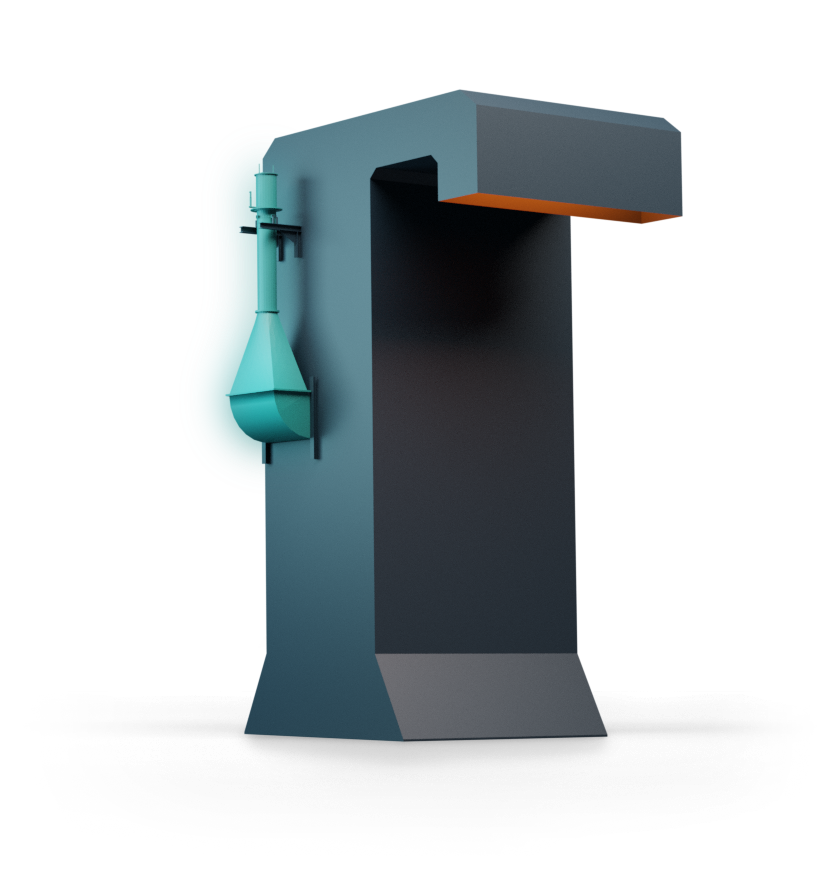
The SCR system is a flue gas filter
The SCR system is a flue gas filter installed in the gas duct, upstream the stack. Inside of the SCR are hundreds of thousands of catalyst coated channels, where the gas passes through. Inside the channels, the catalyst promotes NOx molecules to react with ammonia injected upstream the SCR, to form harmless Nitrogen and water. For the reaction to occur, the surface of the channels needs to be kept clean however during operation, particles from the combustion process tend to adhere to the catalyst surface, preventing said reactions.
After some time of operation, whole channels are plugged with particles, creating a pressure drop and prompting the flue gas to flow with higher velocities through the remaining open channels. This reduces the efficiency of the SCR, increases the consumption of Ammonia and can also errode the catalyst, leading to costly replacements.
Sobre limpeza
Automatic, on-line cleaning of SCR
Heat Management employs an automatic, non-abrasive cleaning method to prevent plugging inside of the catalyst channels. The solution developed and patented by Heat Management harnesses the long range, omni-directional turbulence generated by non-audible sound, to efficiently and preventively keep the channels open.
The solution works by disturbing the laminar flow inside each and everyone of the channels, at the same time and with the same intensity for a few seconds every couple of minutes. Results are stabilized gas differential pressures and Ammonia slip levels and increased catalyst lifetime, reducing the cost of ownership of the SCR system.
References on SCR

Webinar sob demanda: Estratégias de sustentabilidade melhoradas para o setor energético
O relatório do IPCC de agosto de 2021 e os resultados da COP26 deixam claro que a indústria produtora de energia precisa se concentrar ainda mais no cumprimento das metas de adequação. Temos de buscar novas e inovadoras formas que ainda não estão sendo exploradas.

Bloco 7 e Blocos 8, Rybnik, Polônia
Um estudo de caso e os resultados da nossa instalação de limpeza com infravermelho no caldeiro a carvão nos Blocos 7 e 8 de Rybnik. Nos Blocos 7 e 8 de Rybnik, os geradores de infravermelho foram instalados durante a reforma dos caldeirões com SCRs.
EEW Delfzijl, Delfzijl, Holanda
Na EEW Delfzijl, a primeira camada de dois elementos do SCR em forma de favo de mel ficou obstruída dentro de 2 a 3 semanas, exigindo limpeza por explosão com custos elevados e causando danos aos elementos do SCR. Além disso, havia uma interrupção de funcionamento a cada 6 meses devido à limpeza manual. Os elementos do SCR tinham de ser substituídos uma vez por ano.
Content related to SCR

Tecnologia de limpeza de fuligem por infrassom para SCRs
Um white paper gratuito para download com foco na tecnologia de limpeza de fuligem por infrassom para SCRs a partir de Heat Management
Comparação entre o infrassom e o som audível como método de limpeza acústica
Um white paper gratuito para download com foco na comparação entre infrassom e som audível como método de limpeza acústica
Articles related to SCR
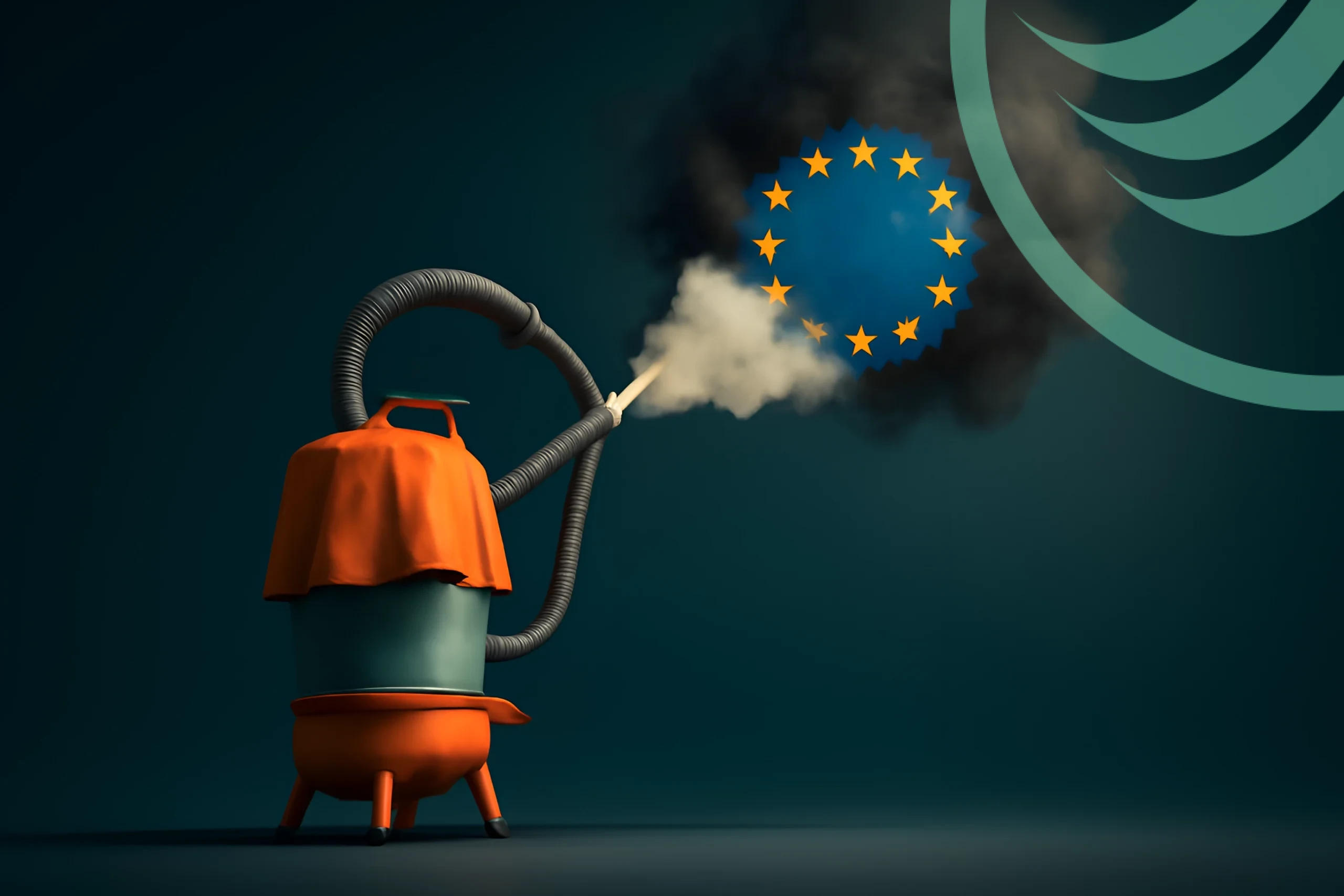
Cumprimento das normas de emissão da UE através de tecnologias avançadas de desulfatação a vapor
As barreiras estão se tornando cada vez mais altas. Para os gerentes de plantas e engenheiros de toda a UE, a pressão advinda da Diretiva sobre Emissões Industriais [...]
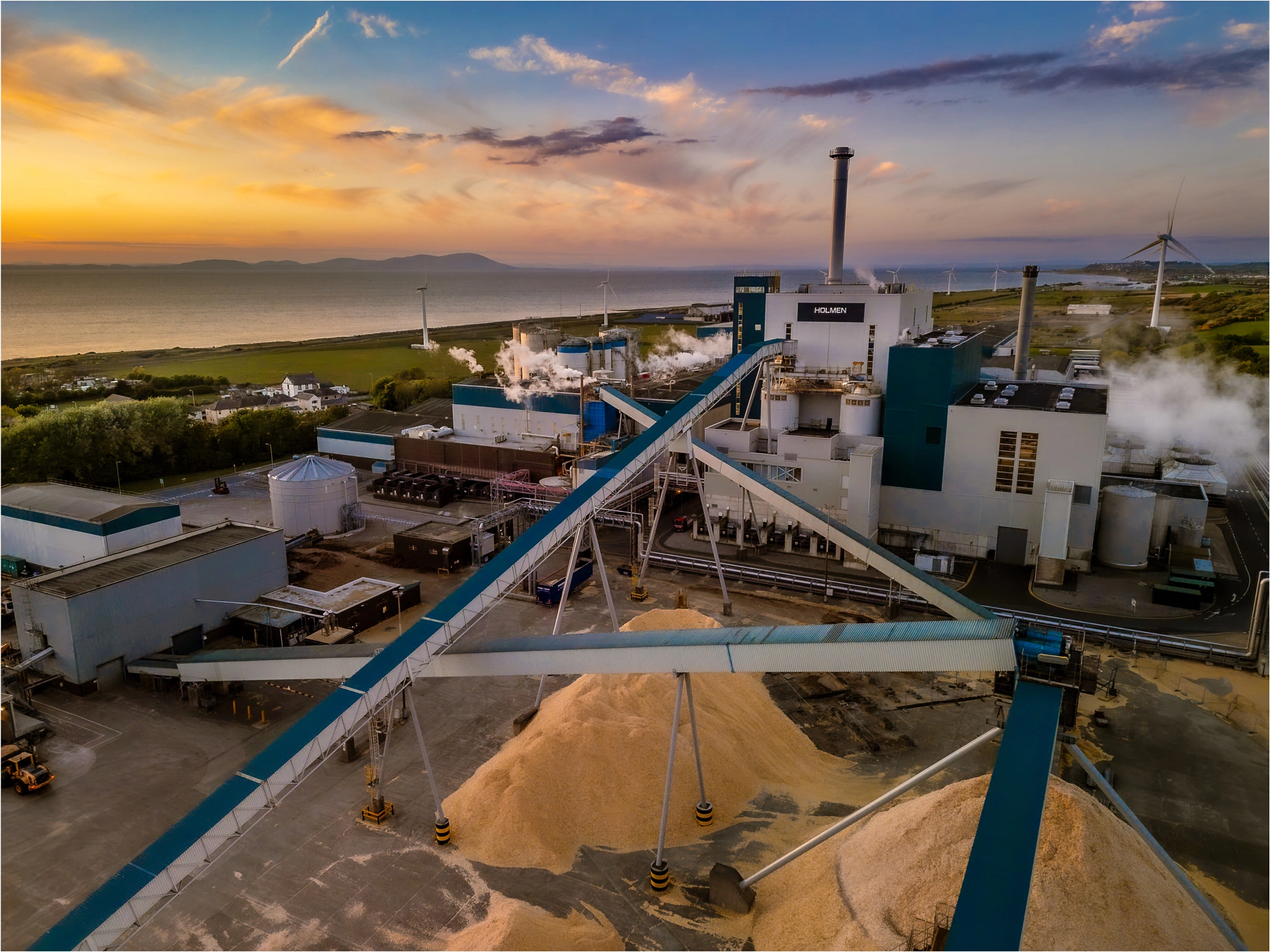
A Holmen Workington aumenta a geração de energia sustentável com o HISS
Holmen Paper Mill in Workington, UK, identified an opportunity to cost-effectively improve the efficiency, lifetime and availability of its [...]
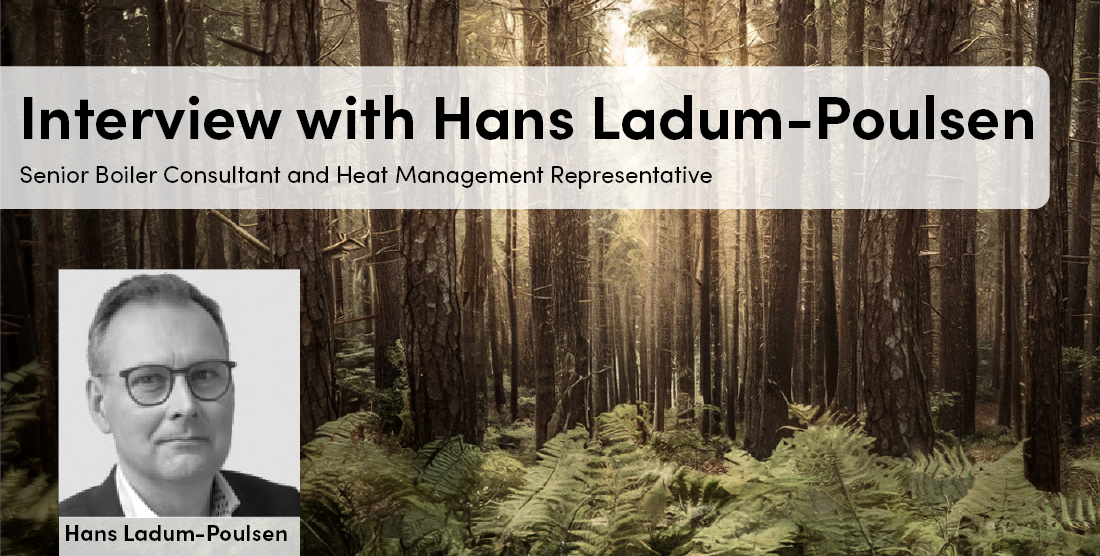
Entrevista com Hans Ladum-Poulsen, Heat Management o mais novo representante da organização
With many years of experience in the boiler and energy sector, Hans brings a strong understanding of both the [...]