


Ogólne informacje
Recovery boilers recovers chemicals and energy
The Recovery boiler recovers chemicals and energy, which is used in the cooking stage where wood chips are refined to cellulose. The black liquor is a mixture of by-products from this separation process. All chemical pulp-mills rely on this chemical recovery cycle for their economical and sustainable operations.
O czyszczeniu
Sootblowers are used for keeping the recovery boiler clean inside
Pulp mills stay competitive by lowering production costs per ton cellulose and one way of doing that is to increase cellulose production. Since the recovery boiler is so expensive, it is commonly operated at or above original design capacity which presents challenges with regard to availability and runnability. The most common reason for reduced availability is fouling of the boiler heating surfaces. To combat this, retractable steam sootblowers are used to keep the boiler insides clean.
Our motto
We go beyond technical specification
Like the recovery boiler operation, retractable steam sootblowers are operated at maximum capacity, meaning there is no additional cleaning capacity to increase boiler availability. It is in this setting that Heat Management introduces the patented High Impact Sootblowing System (HISS®), increasing the cleaning capacity of the existing steam sootblowers by 100 %. Benefits include increasing recovery boiler availability, cleanability and efficiency, while reducing steam consumption. HISS® provides the mill with the necessary tool, allowing safe increase of production levels beyond technical specification i.e. process more black liquor in the boiler, without jeopardizing the process availability.
References on Recovery boilers

Fabryka papieru, Szwecja
Götaverkens system recyrkulacji ciepła, zainstalowany w 1976 roku i zmodernizowany do wydajności 2 600 tDS/dzień (z 1 900 tDS/dzień), pracuje z wydajnością 350 t/h, a odkurzaczki sadzawcze zużywają około 27 t/h (7,5%). W celu zwiększenia wydajności w czerwcu 2024 roku wprowadzono technologię HISS® w celu optymalizacji czyszczenia online, zmniejszenia zużycia pary do odkurzania sadzawców oraz podniesienia temperatury głównego pary przy zachowaniu wysokiej dostępności.
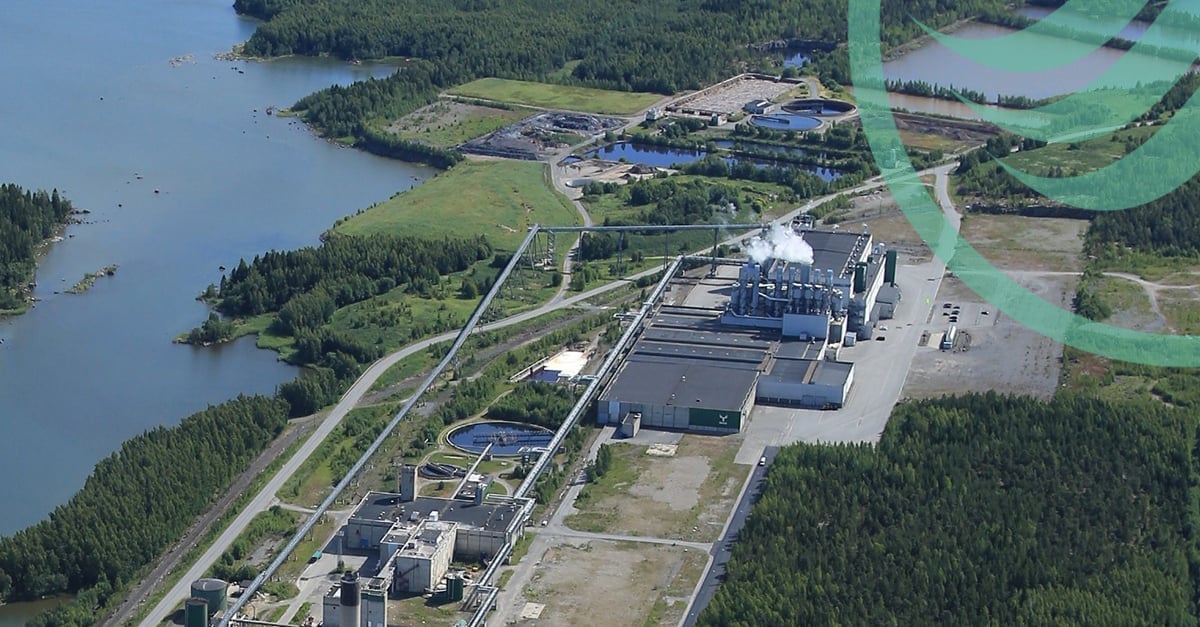
Metsä Board Kaskinen, Finland
As a pilot project, one sootblower in the economizer was equipped with HISS® to evaluate its performance. The goal was to reduce steam consumption and wear on the heating surfaces from steam sootblowing. Following a master thesis study, Metsä decided to upgrade the remaining 18 sootblowers with HISS®.

Mondi Dynäs, Sweden
The customer had problems with fouling on the primary and secondary superheaters. Steam temperature was dropping about 25 degrees Celsius in a span of two and a half months. The client saw a need for sootblowing more but also saving sootblowing steam. The bark boiler at the mill supports the production of steam in the facility and also uses oil as fuel during certain parts of the year when steam production is too low.
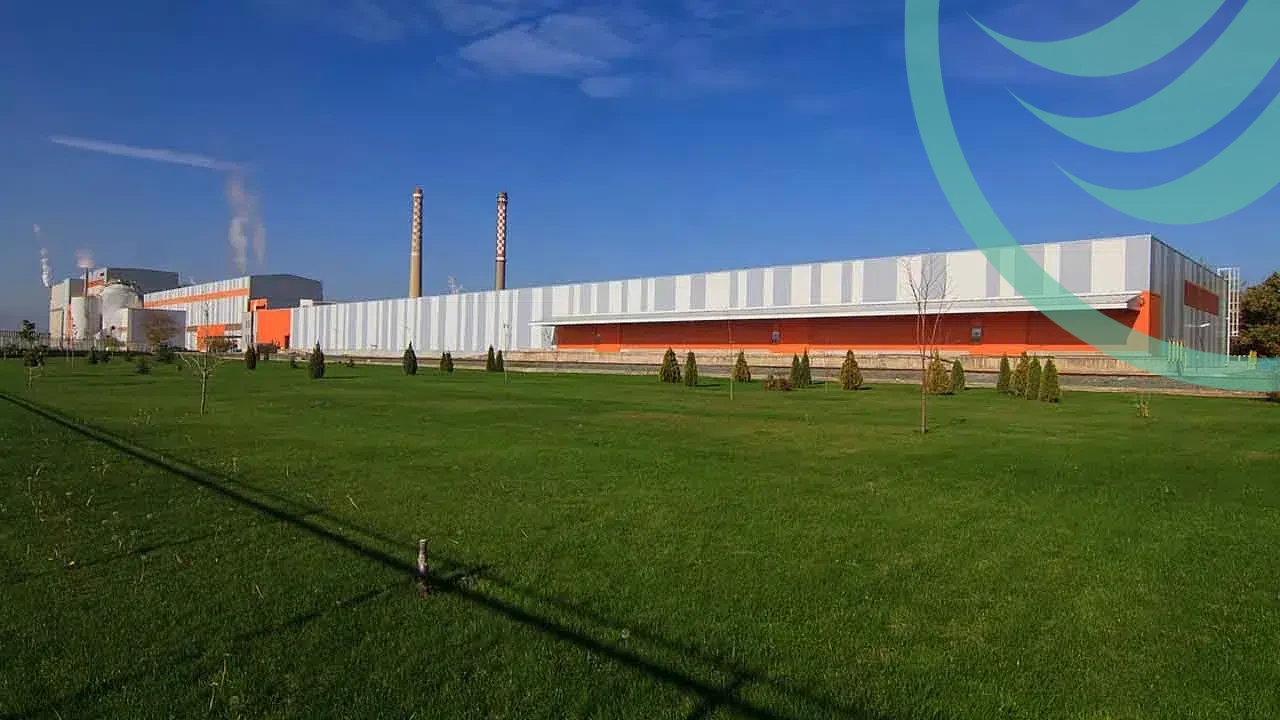
Mondi Stambolijski, Austria
Mondi Stambolijski was investigating steam savings initiatives in the recovery boiler and also looking for possibilities of future increases in the recovery boiler load. HISS was chosen to reduce the steam consumption of the steam sootblowers. The technology also gives the user the possibility of increasing the sootblowing cleaning capacity, to maintain high availability at an increased recovery boiler load.
Content related to Recovery boilers

Wyzwania dla kotłów prądotwórczych
Niniejsza broszura skupia się głównie na wyzwaniach związanych z spalaniem złożonych paliw, takich jak odpady domowe, odpady przemysłowe oraz odpady z budowy. W pierwszym rozdziale przedstawimy wyzwania i rozwiązania mające na celu zwiększenie wydajności i czystości kotłów.

Rozwiązania dla kotłów odzyskowych w hutach celulozowych
Darmowy dokument informacyjny na temat rozwiązań dla kotłów odzyskowych w hutach celulozowych. Uzyskaj swoją kopię już dziś!
Porównanie infradźwięków i dźwięków słychaczych jako metody czyszczenia akustycznego
Darmowy plik do pobrania w formacie PDF poświęcony porównaniu infradźwięków i dźwięku słyszalnego jako metodie czyszczenia akustycznego
Articles related to Recovery boiler

Innowacyjne narzędzia analityczne procesów: radzenie sobie z problemami związanymi z przewodem do recyklingu kotłów
Twoja kotła odzysku jest sercem twojej fabryki celulozowej. To środowisko o wysokim ciśnieniu i dużym ryzyku, w którym granica między maksymalną wydajnością a minimalną wydajnością jest bardzo cienka [...]

Wykorzystanie danych dotyczących czyszczenia falami ultradźwiękowymi w celu zwiększenia niezawodności kotłów na biomasę
Twoje kotły biomasowe są sercem twojej firmy. Ale co godzinę nieustępliwy złodziej pracuje nad zatykaniem ich [...]

Zmniejszenie przenoszenia czarnego nalewu w piecach regeneracyjnych dzięki zaawansowanym technikom wykrywania
Twoja kotłownia odzyskiwania ciepła jest sercem twojego młyna. Bije według rytmu produkcji, przetwarzając zużyte napoje do gotowania [...]