

Your boiler has a mind of its own. Fouling doesn’t follow your maintenance calendar or respect your production targets. It builds up silently, relentlessly, stealing efficiency one percentage point at a time.
For too long, plant engineers have been forced to fight this battle with a blindfold on. Traditional, time-based cleaning is a gamble you are forced to take. You either clean too often, wasting precious energy and steam, or you clean too late, after the damage to your heat transfer rate—and your bottom line—is already done.
This is no longer a battle you have to fight with guesswork. By integrating real-time operational data with advanced Infrasound Cleaning systems, you can finally move from a reactive schedule to a proactive, condition-based strategy. This is the guide to making your boiler work smarter, not just harder.
The Inefficiency of Reactive Cleaning
Why Fixed-Interval Cleaning Falls Short
Imagine running your sootblowers on a fixed timer, regardless of the boiler’s actual condition. When you activate a cleaning cycle on a surface that is already clean, you gain nothing. You are simply venting expensive steam or compressed air into the system, driving up operational costs for zero performance benefit.
The real danger, however, lies in waiting too long. As soot and ash accumulate, they form an insulating layer on your heat transfer surfaces. According to industry analysis, even a minimal layer of soot can significantly impede heat transfer, forcing you to burn more fuel to achieve the same steam output and leading to a dangerous rise in flue gas temperatures. This reactive cycle inevitably leads to reduced efficiency and, in the worst cases, forced outages for costly manual cleaning.
Without real-time data, your team is flying blind. You are forced to choose between waste and risk, basing critical maintenance decisions on assumptions rather than facts. This data blind spot makes it impossible to truly optimize performance, leaving significant potential for savings and reliability untapped, a stark contrast to the precision offered by intelligent cleaning technologies for boilers.
The Solution: Combining Infrasound with Intelligent Analytics
A Quick Primer on Infrasound Cleaning
The foundation of this proactive strategy is a fundamentally better way to clean. Unlike aggressive, high-impact methods, Heat Management’s Infrasound Cleaning technology uses low-frequency, high-power acoustic waves to create vibrations throughout the boiler. This process prevents particulate matter from settling and hardening on heat transfer surfaces in the first place.
This method maintains a constant state of cleanliness without causing the tube erosion associated with traditional sootblowing. It’s a gentle yet powerful approach that keeps your boiler operating near its peak design efficiency from the start. The technology is already a proven method for extending the lifespan of boiler components and ensuring consistent performance.
The Data-Driven Layer: Turning Insight into Action
But the true revolution begins when this powerful hardware is guided by intelligent software. The real opportunity isn’t just preventing buildup; it’s activating the system at the precise moment it’s needed, for the exact duration required. This is where data transforms a great cleaning system into a truly optimized one.
This is achieved by using key performance indicators (KPIs) to detect the very first signs of fouling, long before they become a major problem. Process analytics systems, such as Heat Management’s Acospector™, are designed to collect and interpret this critical data. By turning raw numbers into actionable triggers, Acospector™ provides the brain for the infrasound system’s brawn, enabling a fully automated, condition-based cleaning process.
The Step-by-Step Process for Proactive Boiler Maintenance Using Infrasound
Implementing a data-driven strategy involves a clear, methodical process. It’s about replacing assumptions with certainty and transforming your maintenance routine from a calendar-based chore into a dynamic, responsive system. Here’s how we break it down.
Step 1: Establish a Clean Boiler Baseline
You can’t know where you’re going if you don’t know where you started. The first step is to measure and record your boiler’s key performance data when it is in a known, verified clean state—typically right after a manual cleaning or commissioning. This data, including differential pressure, heat transfer coefficients, and flue gas temperatures, becomes the golden standard—the benchmark against which all future performance is measured.
Step 2: Monitor Key Fouling Indicators in Real-Time
With a baseline established, the system begins its constant watch. It tracks the critical KPIs that act as the early warning signs of fouling. These are not abstract metrics; they are direct indicators of your boiler’s health and efficiency.
The primary indicators include:
Differential Pressure (DP): A rising pressure drop across boiler sections is a clear sign that airflow is becoming restricted by particulate buildup.Flue Gas Temperature: An increase in the temperature of exhaust gases means less heat is being absorbed by the boiler tubes, pointing directly to insulation from fouling.Heat Transfer Rate (k-value): This is the ultimate measure of efficiency. A declining k-value is a direct, quantifiable metric of performance loss due to fouling.
Step 3: Define Data-Driven Triggers
This is where the intelligence comes in. Instead of relying on a simple timer, you set specific, data-based thresholds that trigger a cleaning cycle. For example, the system can be programmed to automatically activate the infrasound cleaners when the Differential Pressure (DP) increases by a predefined margin, a method validated in technical studies on infrasound effectiveness. This data-driven trigger ensures that cleaning happens precisely when needed—not a moment sooner or later.
Step 4: Automate and Optimize Cleaning Cycles
Once a trigger is activated, the analytics system initiates the infrasound cleaning cycle. It runs the cleaners for the exact duration necessary to return the monitored KPIs to their clean baseline levels. This surgical precision ensures maximum cleaning effectiveness with minimum energy consumption, a core principle of leveraging smart technology for continuous improvement.
Step 5: Analyze and Refine
This is not a “set it and forget it” system; it’s a learning system. The platform logs the parameters and effectiveness of every single cleaning cycle. This creates a powerful feedback loop, allowing engineers to analyze performance over time and refine the triggers based on real-world conditions like changes in fuel type, boiler load, or seasonal humidity, forming the basis of a true predictive maintenance strategy.
The Measurable Impact: From Data Points to Bottom-Line Results
Translating Proactive Maintenance into Tangible Gains
Shifting to a data-driven strategy isn’t just an engineering exercise; it delivers powerful, measurable results that resonate from the control room to the boardroom. By preventing fouling before it takes hold, the boiler operates consistently closer to its design efficiency. This sustained performance directly translates into maximized heat transfer efficiency and stable steam production.
The financial benefits are immediate and clear. Optimized cleaning cycles dramatically cut the energy waste associated with calendar-based systems, while improved heat transfer means you burn less fuel to get the same output. These factors combine to significantly reduce operational costs and steam consumption, delivering a rapid return on investment.
Ultimately, this proactive approach enhances reliability and uptime. By preventing the severe fouling that leads to corrosion, blockages, and forced shutdowns, you protect your most critical assets and avoid the immense costs of unplanned downtime. This data-backed approach provides managers with quantifiable proof of boiler health, justifying maintenance decisions and directly contributing to a more sustainable, efficient, and profitable operation, a success story echoed in reports from across the industry.
The Intelligent Boiler is Here
We’ve journeyed from the costly guesswork of reactive, calendar-based cleaning to a proactive, intelligent system driven by hard data. The era of flying blind is over. The modern, high-performance boiler is no longer defined just by its physical hardware, but by the intelligence that guides it.
This is about more than just a powerful cleaning tool; it’s about the smart application of that tool. It’s about giving your engineers the visibility and control they need to stop fighting fires and start preventing them.
Heat Management is the partner that delivers both the advanced infrasound cleaning technology and the intelligent analytics platform to unlock its full potential. We provide the complete, integrated solution to transform your boiler into a predictable, optimized, and highly efficient asset.
Call to Action
See how our integrated systems create real-world results. Explore our guide on preventing boiler fouling in biomass plants to understand the practical application and start your journey toward a more intelligent operation.
Latest news & articles

Meeting EU Emissions Standards Through Advanced Steam Sootblowing Technologies
The walls are closing in. For plant managers and engineers [...]
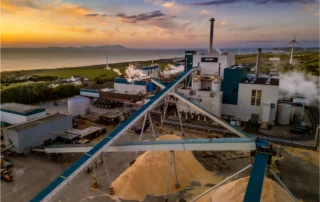
Holmen Workington increases sustainable power generation with HISS
Holmen Paper Mill in Workington, UK, identified an opportunity [...]

Interview with Hans Ladum-Poulsen, Heat Management’s newest representative
With many years of experience in the boiler and [...]
Unlocking Infrasound Cleaning Data for Proactive Boiler Efficiency
May 11, 2026 /

Your boiler has a mind of its own. Fouling doesn’t follow your maintenance calendar or respect your production targets. It builds up silently, relentlessly, stealing efficiency one percentage point at a time.
For too long, plant engineers have been forced to fight this battle with a blindfold on. Traditional, time-based cleaning is a gamble you are forced to take. You either clean too often, wasting precious energy and steam, or you clean too late, after the damage to your heat transfer rate—and your bottom line—is already done.
This is no longer a battle you have to fight with guesswork. By integrating real-time operational data with advanced Infrasound Cleaning systems, you can finally move from a reactive schedule to a proactive, condition-based strategy. This is the guide to making your boiler work smarter, not just harder.
The Inefficiency of Reactive Cleaning
Why Fixed-Interval Cleaning Falls Short
Imagine running your sootblowers on a fixed timer, regardless of the boiler’s actual condition. When you activate a cleaning cycle on a surface that is already clean, you gain nothing. You are simply venting expensive steam or compressed air into the system, driving up operational costs for zero performance benefit.
The real danger, however, lies in waiting too long. As soot and ash accumulate, they form an insulating layer on your heat transfer surfaces. According to industry analysis, even a minimal layer of soot can significantly impede heat transfer, forcing you to burn more fuel to achieve the same steam output and leading to a dangerous rise in flue gas temperatures. This reactive cycle inevitably leads to reduced efficiency and, in the worst cases, forced outages for costly manual cleaning.
Without real-time data, your team is flying blind. You are forced to choose between waste and risk, basing critical maintenance decisions on assumptions rather than facts. This data blind spot makes it impossible to truly optimize performance, leaving significant potential for savings and reliability untapped, a stark contrast to the precision offered by intelligent cleaning technologies for boilers.
The Solution: Combining Infrasound with Intelligent Analytics
A Quick Primer on Infrasound Cleaning
The foundation of this proactive strategy is a fundamentally better way to clean. Unlike aggressive, high-impact methods, Heat Management’s Infrasound Cleaning technology uses low-frequency, high-power acoustic waves to create vibrations throughout the boiler. This process prevents particulate matter from settling and hardening on heat transfer surfaces in the first place.
This method maintains a constant state of cleanliness without causing the tube erosion associated with traditional sootblowing. It’s a gentle yet powerful approach that keeps your boiler operating near its peak design efficiency from the start. The technology is already a proven method for extending the lifespan of boiler components and ensuring consistent performance.
The Data-Driven Layer: Turning Insight into Action
But the true revolution begins when this powerful hardware is guided by intelligent software. The real opportunity isn’t just preventing buildup; it’s activating the system at the precise moment it’s needed, for the exact duration required. This is where data transforms a great cleaning system into a truly optimized one.
This is achieved by using key performance indicators (KPIs) to detect the very first signs of fouling, long before they become a major problem. Process analytics systems, such as Heat Management’s Acospector™, are designed to collect and interpret this critical data. By turning raw numbers into actionable triggers, Acospector™ provides the brain for the infrasound system’s brawn, enabling a fully automated, condition-based cleaning process.
The Step-by-Step Process for Proactive Boiler Maintenance Using Infrasound
Implementing a data-driven strategy involves a clear, methodical process. It’s about replacing assumptions with certainty and transforming your maintenance routine from a calendar-based chore into a dynamic, responsive system. Here’s how we break it down.
Step 1: Establish a Clean Boiler Baseline
You can’t know where you’re going if you don’t know where you started. The first step is to measure and record your boiler’s key performance data when it is in a known, verified clean state—typically right after a manual cleaning or commissioning. This data, including differential pressure, heat transfer coefficients, and flue gas temperatures, becomes the golden standard—the benchmark against which all future performance is measured.
Step 2: Monitor Key Fouling Indicators in Real-Time
With a baseline established, the system begins its constant watch. It tracks the critical KPIs that act as the early warning signs of fouling. These are not abstract metrics; they are direct indicators of your boiler’s health and efficiency.
The primary indicators include:
Differential Pressure (DP): A rising pressure drop across boiler sections is a clear sign that airflow is becoming restricted by particulate buildup.Flue Gas Temperature: An increase in the temperature of exhaust gases means less heat is being absorbed by the boiler tubes, pointing directly to insulation from fouling.Heat Transfer Rate (k-value): This is the ultimate measure of efficiency. A declining k-value is a direct, quantifiable metric of performance loss due to fouling.
Step 3: Define Data-Driven Triggers
This is where the intelligence comes in. Instead of relying on a simple timer, you set specific, data-based thresholds that trigger a cleaning cycle. For example, the system can be programmed to automatically activate the infrasound cleaners when the Differential Pressure (DP) increases by a predefined margin, a method validated in technical studies on infrasound effectiveness. This data-driven trigger ensures that cleaning happens precisely when needed—not a moment sooner or later.
Step 4: Automate and Optimize Cleaning Cycles
Once a trigger is activated, the analytics system initiates the infrasound cleaning cycle. It runs the cleaners for the exact duration necessary to return the monitored KPIs to their clean baseline levels. This surgical precision ensures maximum cleaning effectiveness with minimum energy consumption, a core principle of leveraging smart technology for continuous improvement.
Step 5: Analyze and Refine
This is not a “set it and forget it” system; it’s a learning system. The platform logs the parameters and effectiveness of every single cleaning cycle. This creates a powerful feedback loop, allowing engineers to analyze performance over time and refine the triggers based on real-world conditions like changes in fuel type, boiler load, or seasonal humidity, forming the basis of a true predictive maintenance strategy.
The Measurable Impact: From Data Points to Bottom-Line Results
Translating Proactive Maintenance into Tangible Gains
Shifting to a data-driven strategy isn’t just an engineering exercise; it delivers powerful, measurable results that resonate from the control room to the boardroom. By preventing fouling before it takes hold, the boiler operates consistently closer to its design efficiency. This sustained performance directly translates into maximized heat transfer efficiency and stable steam production.
The financial benefits are immediate and clear. Optimized cleaning cycles dramatically cut the energy waste associated with calendar-based systems, while improved heat transfer means you burn less fuel to get the same output. These factors combine to significantly reduce operational costs and steam consumption, delivering a rapid return on investment.
Ultimately, this proactive approach enhances reliability and uptime. By preventing the severe fouling that leads to corrosion, blockages, and forced shutdowns, you protect your most critical assets and avoid the immense costs of unplanned downtime. This data-backed approach provides managers with quantifiable proof of boiler health, justifying maintenance decisions and directly contributing to a more sustainable, efficient, and profitable operation, a success story echoed in reports from across the industry.
The Intelligent Boiler is Here
We’ve journeyed from the costly guesswork of reactive, calendar-based cleaning to a proactive, intelligent system driven by hard data. The era of flying blind is over. The modern, high-performance boiler is no longer defined just by its physical hardware, but by the intelligence that guides it.
This is about more than just a powerful cleaning tool; it’s about the smart application of that tool. It’s about giving your engineers the visibility and control they need to stop fighting fires and start preventing them.
Heat Management is the partner that delivers both the advanced infrasound cleaning technology and the intelligent analytics platform to unlock its full potential. We provide the complete, integrated solution to transform your boiler into a predictable, optimized, and highly efficient asset.
Call to Action
See how our integrated systems create real-world results. Explore our guide on preventing boiler fouling in biomass plants to understand the practical application and start your journey toward a more intelligent operation.
Latest news & articles
Meeting EU Emissions Standards Through Advanced Steam Sootblowing Technologies
The walls are closing in. For plant managers and engineers [...]
Holmen Workington increases sustainable power generation with HISS
Holmen Paper Mill in Workington, UK, identified an opportunity [...]
Interview with Hans Ladum-Poulsen, Heat Management’s newest representative
With many years of experience in the boiler and [...]