

Comparing Advanced Sootblowing Systems: HISS® Versus Conventional Methods
August 10, 2026 /

How Traditional Sootblowing Works—And Where It Falls Short
Think of conventional sootblowing as a blunt instrument. Systems like retractable lances or rotary sootblowers operate on a simple principle: blast large volumes of high-velocity steam over a wide area and hope for the best. While this can dislodge some deposits, the underlying strategy is fundamentally flawed.
These systems are notorious for their high steam consumption, often operating on fixed timers regardless of the boiler’s actual condition. This creates a significant parasitic load, as steam that should be generating power or driving processes is instead wasted. According to the U.S. Department of Energy, steam systems can account for a massive portion of a facility’s energy use, making such waste a critical financial drain and a target for industrial energy efficiency improvements.
Worse yet, the cleaning is often uneven. The wide, unfocused jets can miss critical areas, allowing hard-to-remove deposits to sinter and grow, crippling heat transfer. This relentless, high-velocity assault also causes long-term abrasive wear on boiler tubes, increasing the risk of leaks and costly, unplanned outages. It’s a reactive approach to a problem that demands precision.
A Smarter Approach: The Engineering Behind HISS®
What if you could replace that blunt instrument with a surgical tool? That is the engineering philosophy behind the HISS® (High Impact Sootblowing System). It’s a fundamental shift from high-volume velocity to high-impact force, designed to solve the core problems that plague traditional systems.
At the heart of HISS® is a patented nozzle that transforms steam pressure into a concentrated, high-impact force. Instead of a wide, diffuse spray, it delivers a powerful, focused jet that strikes deposits with maximum energy, shattering even the most stubborn, sintered layers. This superior cleaning power is achieved with significantly less steam, turning a major operational cost into a source of savings.
But HISS® is more than just advanced hardware; it’s an intelligent system. By integrating with your boiler’s control systems, it enables data-driven cleaning solutions that transform industrial operations. Cleaning is initiated based on real-time data—like heat transfer rates and flue gas temperatures—ensuring that steam is used only when and where it is needed. This proactive control, combined with the system’s design, minimizes mechanical stress and virtually eliminates the risk of tube erosion, preserving the life of your most critical assets.
Industrial Boiler Cleaning Comparison: A Side-by-Side Analysis
When you place the two approaches side-by-side, the technical and financial advantages of an engineered solution become undeniable. The choice is between a reactive, high-consumption method and a proactive, high-impact system designed for peak performance. The following table breaks down the critical differences that impact your plant’s efficiency, reliability, and total cost of ownership.
| Parameter | Conventional Sootblowing Systems | HISS® (High Impact Sootblowing System) |
|---|---|---|
| Cleaning Efficiency | Uneven cleaning; often leaves behind sintered deposits. | Uniform, deep cleaning; effectively removes even the most stubborn deposits. |
| Heat Transfer | Gradual decline in heat transfer efficiency between cycles. | Maintains consistently high heat transfer rates, improving overall boiler efficiency. |
| Steam Consumption | High; a significant operational cost. | Significantly lower (up to 50% reduction); steam is used strategically for maximum impact. |
| Tube Erosion & Lifetime | Higher risk of erosion due to high velocity and unfocused jets. | Minimal erosion risk; preserves boiler tube integrity and extends equipment life. |
| Operational Control | Reactive (timer-based or manual). | Proactive and data-driven (on-demand, based on actual boiler conditions). |
| Total Cost of Ownership (TCO) | Lower initial CAPEX but higher OPEX (steam, maintenance, fuel). | Higher initial CAPEX with rapid ROI from lower OPEX and improved plant output. |
From Theory to Practice: Quantifiable Results with HISS®
The true measure of any technology is its real-world impact. For a pulp and paper mill, stable steam production is directly tied to profitability. After implementing HISS®, one such facility saw a measurable increase in black liquor throughput and achieved a 3% increase in steam generation efficiency, directly boosting the mill’s bottom line. This is a common outcome for mill managers focused on optimizing boiler performance.
In the renewable energy sector, a biomass power plant faced challenges with fouling that led to high flue gas temperatures and reduced output. The adoption of HISS® resulted in a 40% reduction in sootblowing steam consumption and consistently cleaner heat surfaces. This allowed the plant to lower fuel consumption per megawatt-hour, a critical metric for both profitability and sustainability, as detailed in our technician’s guide to boiler cleaning in biomass plants.
These efficiency gains have a powerful secondary benefit: a reduced environmental footprint. By burning less fuel to produce the same amount of energy, plants directly lower CO₂ emissions. As global organizations like the International Energy Agency (IEA) emphasize, improving industrial heat system efficiency is a cornerstone of decarbonization, helping plants meet both regulatory requirements and corporate ESG goals.
The Future of Boiler Cleaning is Intelligent and Efficient
The choice facing engineers and plant managers today is clear. You can continue with a high-volume, reactive cleaning method that wastes energy and risks damaging your equipment. Or, you can adopt a low-volume, intelligent, high-impact system engineered for the demands of a modern industrial plant.
For facilities focused on maximizing efficiency, ensuring reliability, and demonstrating a commitment to sustainability, the advantages of advanced systems like HISS® are overwhelming. Optimizing auxiliary systems like sootblowing is no longer a minor tweak. It is a critical strategy for achieving peak operational performance and securing a powerful competitive edge in a demanding market.
Take the Next Step
See the data for yourself. Download our technical whitepaper on HISS® technology and its impact on boiler heat transfer.
Have a specific challenge with boiler fouling? Explore our case studies to see how we’ve helped plants like yours improve performance.
Latest news & articles

Meeting EU Emissions Standards Through Advanced Steam Sootblowing Technologies
The walls are closing in. For plant managers and engineers [...]
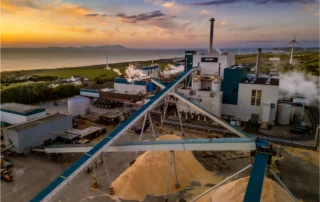
Holmen Workington increases sustainable power generation with HISS
Holmen Paper Mill in Workington, UK, identified an opportunity [...]

Interview with Hans Ladum-Poulsen, Heat Management’s newest representative
With many years of experience in the boiler and [...]
Comparing Advanced Sootblowing Systems: HISS® Versus Conventional Methods
August 10, 2026 /
How Traditional Sootblowing Works—And Where It Falls Short
Think of conventional sootblowing as a blunt instrument. Systems like retractable lances or rotary sootblowers operate on a simple principle: blast large volumes of high-velocity steam over a wide area and hope for the best. While this can dislodge some deposits, the underlying strategy is fundamentally flawed.
These systems are notorious for their high steam consumption, often operating on fixed timers regardless of the boiler’s actual condition. This creates a significant parasitic load, as steam that should be generating power or driving processes is instead wasted. According to the U.S. Department of Energy, steam systems can account for a massive portion of a facility’s energy use, making such waste a critical financial drain and a target for industrial energy efficiency improvements.
Worse yet, the cleaning is often uneven. The wide, unfocused jets can miss critical areas, allowing hard-to-remove deposits to sinter and grow, crippling heat transfer. This relentless, high-velocity assault also causes long-term abrasive wear on boiler tubes, increasing the risk of leaks and costly, unplanned outages. It’s a reactive approach to a problem that demands precision.
A Smarter Approach: The Engineering Behind HISS®
What if you could replace that blunt instrument with a surgical tool? That is the engineering philosophy behind the HISS® (High Impact Sootblowing System). It’s a fundamental shift from high-volume velocity to high-impact force, designed to solve the core problems that plague traditional systems.
At the heart of HISS® is a patented nozzle that transforms steam pressure into a concentrated, high-impact force. Instead of a wide, diffuse spray, it delivers a powerful, focused jet that strikes deposits with maximum energy, shattering even the most stubborn, sintered layers. This superior cleaning power is achieved with significantly less steam, turning a major operational cost into a source of savings.
But HISS® is more than just advanced hardware; it’s an intelligent system. By integrating with your boiler’s control systems, it enables data-driven cleaning solutions that transform industrial operations. Cleaning is initiated based on real-time data—like heat transfer rates and flue gas temperatures—ensuring that steam is used only when and where it is needed. This proactive control, combined with the system’s design, minimizes mechanical stress and virtually eliminates the risk of tube erosion, preserving the life of your most critical assets.
Industrial Boiler Cleaning Comparison: A Side-by-Side Analysis
When you place the two approaches side-by-side, the technical and financial advantages of an engineered solution become undeniable. The choice is between a reactive, high-consumption method and a proactive, high-impact system designed for peak performance. The following table breaks down the critical differences that impact your plant’s efficiency, reliability, and total cost of ownership.
| Parameter | Conventional Sootblowing Systems | HISS® (High Impact Sootblowing System) |
|---|---|---|
| Cleaning Efficiency | Uneven cleaning; often leaves behind sintered deposits. | Uniform, deep cleaning; effectively removes even the most stubborn deposits. |
| Heat Transfer | Gradual decline in heat transfer efficiency between cycles. | Maintains consistently high heat transfer rates, improving overall boiler efficiency. |
| Steam Consumption | High; a significant operational cost. | Significantly lower (up to 50% reduction); steam is used strategically for maximum impact. |
| Tube Erosion & Lifetime | Higher risk of erosion due to high velocity and unfocused jets. | Minimal erosion risk; preserves boiler tube integrity and extends equipment life. |
| Operational Control | Reactive (timer-based or manual). | Proactive and data-driven (on-demand, based on actual boiler conditions). |
| Total Cost of Ownership (TCO) | Lower initial CAPEX but higher OPEX (steam, maintenance, fuel). | Higher initial CAPEX with rapid ROI from lower OPEX and improved plant output. |
From Theory to Practice: Quantifiable Results with HISS®
The true measure of any technology is its real-world impact. For a pulp and paper mill, stable steam production is directly tied to profitability. After implementing HISS®, one such facility saw a measurable increase in black liquor throughput and achieved a 3% increase in steam generation efficiency, directly boosting the mill’s bottom line. This is a common outcome for mill managers focused on optimizing boiler performance.
In the renewable energy sector, a biomass power plant faced challenges with fouling that led to high flue gas temperatures and reduced output. The adoption of HISS® resulted in a 40% reduction in sootblowing steam consumption and consistently cleaner heat surfaces. This allowed the plant to lower fuel consumption per megawatt-hour, a critical metric for both profitability and sustainability, as detailed in our technician’s guide to boiler cleaning in biomass plants.
These efficiency gains have a powerful secondary benefit: a reduced environmental footprint. By burning less fuel to produce the same amount of energy, plants directly lower CO₂ emissions. As global organizations like the International Energy Agency (IEA) emphasize, improving industrial heat system efficiency is a cornerstone of decarbonization, helping plants meet both regulatory requirements and corporate ESG goals.
The Future of Boiler Cleaning is Intelligent and Efficient
The choice facing engineers and plant managers today is clear. You can continue with a high-volume, reactive cleaning method that wastes energy and risks damaging your equipment. Or, you can adopt a low-volume, intelligent, high-impact system engineered for the demands of a modern industrial plant.
For facilities focused on maximizing efficiency, ensuring reliability, and demonstrating a commitment to sustainability, the advantages of advanced systems like HISS® are overwhelming. Optimizing auxiliary systems like sootblowing is no longer a minor tweak. It is a critical strategy for achieving peak operational performance and securing a powerful competitive edge in a demanding market.
Take the Next Step
See the data for yourself. Download our technical whitepaper on HISS® technology and its impact on boiler heat transfer.
Have a specific challenge with boiler fouling? Explore our case studies to see how we’ve helped plants like yours improve performance.
Latest news & articles
Meeting EU Emissions Standards Through Advanced Steam Sootblowing Technologies
The walls are closing in. For plant managers and engineers [...]
Holmen Workington increases sustainable power generation with HISS
Holmen Paper Mill in Workington, UK, identified an opportunity [...]
Interview with Hans Ladum-Poulsen, Heat Management’s newest representative
With many years of experience in the boiler and [...]