
Understanding EU Boiler Regulations: A Technical Guide for Compliance and Efficiency
June 15, 2026 /

Key EU Directives and Regulations You Need to Know
The pressure is on. As an engineer or plant manager, you’re caught in a vise. On one side, a complex web of EU regulations demands strict compliance. On the other, the relentless push for operational efficiency and cost reduction squeezes your resources.
This isn’t just about avoiding fines. The Industrial Emissions Directive (IED), Medium Combustion Plant (MCP) Directive, and Energy Efficiency Directive (EED) are more than legal hurdles; they are technical benchmarks. Simply checking the box means leaving staggering efficiency gains—and profits—on the table.
This guide cuts through the regulatory noise. We will deconstruct the key EU directives from an engineering perspective, translating policy into practical plant-floor requirements. More importantly, we will show you how to transform this regulatory pressure into a powerful competitive advantage.
Key EU Directives and Regulations You Need to Know
To win the game, you must first understand the rules. The EU’s regulatory framework isn’t designed to punish industry, but to push it toward a more efficient, sustainable future. For boiler operators, three core directives set the stage for this transformation.
The Industrial Emissions Directive (IED) and BAT Conclusions
Forget thinking of compliance as a static target. The Industrial Emissions Directive (IED) introduces a mandate for continuous improvement through Best Available Techniques (BAT). These aren’t vague suggestions; they are detailed in legally binding technical documents known as BAT Reference (BREF) documents.
For large combustion plants, these documents set stringent emission limit values (ELVs) for pollutants like NOx, SO₂, and dust. According to the European IPPC Bureau, which publishes the BREF documents, achieving these limits is directly tied to combustion efficiency and the prevention of boiler fouling. This directive forces a shift from reactive maintenance to proactive, intelligent process control.
The Medium Combustion Plant (MCP) Directive
The Medium Combustion Plant (MCP) Directive extends this regulatory oversight to plants with a thermal input between 1 and 50 MW. It closes a significant gap, ensuring that mid-sized industrial boilers are also held to high environmental standards. The directive sets specific emission limits that must be met by deadlines as soon as 2025 for new plants.
These limits demand precise control over the entire combustion process. Any factor that leads to incomplete combustion—such as fouled heat transfer surfaces—can push emissions over the legal threshold. The MCPD makes it technically and financially impossible to ignore the deep connection between boiler cleanliness and compliance.
The Energy Efficiency Directive (EED)
Here is where the regulatory push meets the financial pull. The recast Energy Efficiency Directive (EED) is the commercial driver for optimization, compelling large enterprises to conduct regular energy audits and implement cost-effective savings measures. The directive mandates annual energy savings of up to 1.9%, a target that puts boiler operations squarely in the crosshairs.
This isn’t just about paperwork. The EED incentivizes the adoption of technologies that can deliver verifiable reductions in energy consumption, such as minimizing steam used for sootblowing. As the International Energy Agency notes in its Energy Efficiency 2022 report, industrial energy efficiency is a cornerstone of meeting climate targets, making data-backed optimization a business imperative.
Translating Regulations into Technical Boiler Requirements
Regulations written in Brussels have real, tangible consequences on your plant floor. They create engineering challenges that demand more than just incremental adjustments. They demand a smarter way of operating.
The Fouling-Efficiency-Emissions Nexus
Here’s the vicious cycle that keeps plant managers awake at night. When ash, soot, and slag build up on boiler tubes—a process known as fouling—they act as an insulator. This fouling cripples heat transfer, forcing you to burn more fuel just to maintain the required steam output.
This isn’t a minor issue. The UK government’s technical guidance on the IED notes that slagging can cause a heat transfer drop of up to 5%. This extra fuel burn not only inflates your operational costs but also increases CO₂ emissions and can lead to unstable combustion, generating higher levels of NOx and SOx that violate IED and MCPD limits. You can learn more about troubleshooting these common boiler efficiency issues to better understand the impact.
The Hidden Cost of Inefficient Sootblowing
The traditional answer to fouling is time-based sootblowing—a brute-force approach that often causes more problems than it solves. It operates on a fixed schedule, cleaning whether the boiler is dirty or not. This means massive amounts of high-pressure steam, a valuable energy commodity, are wasted.
This practice directly contradicts the goals of the EED. Furthermore, the repeated thermal shocks from conventional sootblowing cause tube erosion and stress, shortening your boiler’s lifespan. It’s an inefficient, imprecise, and costly method that fails to address the root cause of the problem, as detailed in this comparison of traditional and data-driven cleaning methods.
The Data Deficit in Proving Compliance
How do you prove to an EED auditor that your operations are optimized? How do you demonstrate to an IED regulator that you are employing Best Available Techniques? Without real-time, verifiable data, you are flying blind.
This data deficit makes compliance a reactive, stressful process of guesswork and manual reporting. You lack the concrete evidence to justify your operational choices and cannot pinpoint opportunities for improvement with any certainty. In the modern regulatory environment, operating without robust process analytics is a significant liability, a challenge addressed by leveraging real-time monitoring for sustainable boiler operation.
Achieving “Beyond Compliance” with Data-Driven Optimization
The solution to these technical challenges isn’t to work harder, but to work smarter. Advanced, data-driven technologies provide the precision, control, and verification needed to move beyond simple compliance and achieve true operational excellence.
Solution 1: Intelligent Sootblowing with HISS® for IED/EED Compliance
Imagine a sootblowing system that cleans with surgical precision, only when and where it’s needed. That is the power of the High Impact Sootblowing System (HISS®). It uses advanced sensors and algorithms to detect the actual level of fouling in your boiler, replacing guesswork with data-driven action.
This directly attacks the challenges of the EU directives. By optimizing the cleaning cycle, HISS® slashes the steam consumption required for sootblowing—with some plants seeing reductions of up to 40%, according to EU working group documents. This provides the verifiable energy savings demanded by the EED, while the resulting stable heat transfer ensures efficient combustion, keeping you well within IED and MCPD emission limits. This is how advanced sootblowing optimization reduces boiler emissions.
Solution 2: Proactive Fouling Prevention with Infrasound Cleaning
What if you could prevent fouling from ever gaining a foothold? Infrasound cleaning systems use low-frequency, high-energy acoustic waves to create vibrations that dislodge particulate matter before it can sinter and bond to boiler surfaces. This non-intrusive technology works continuously in hard-to-reach areas without causing erosion or thermal shock.
This proactive approach is a prime example of a Best Available Technique. By maintaining boiler cleanliness over the long term, it ensures consistently high thermal efficiency and stable emissions, making compliance a natural state of operation. It’s a smarter, more elegant solution than aggressive, reactive cleaning, as this comparison of infrasound and traditional sootblowing explains.
Solution 3: Verifiable Performance with Acospector™ Process Analytics
To solve the data deficit, you need a system that provides a clear, real-time window into your process. Acospector™ delivers exactly that, using non-intrusive acoustic technology to analyze fluid composition and process dynamics. It gives you the hard data needed to monitor efficiency, detect anomalies, and optimize performance.
This technology turns compliance from a burden into a science. The concrete data it provides is invaluable for EED energy audits, allowing you to prove the effectiveness of your energy-saving measures. For the IED, it provides the continuous monitoring required to demonstrate that your plant is operating in line with BAT, transforming your ability to leverage data analytics for sustainable boiler operations.
Transforming Regulatory Pressure into a Competitive Advantage
EU boiler regulations are not a finish line to be crossed. They are a technical roadmap for modernization, efficiency, and resilience. The path to guaranteed compliance is paved with smart investments that pay for themselves through reduced fuel consumption, lower maintenance costs, and enhanced operational stability.
The most resilient and profitable industrial plants of the future will not be those that simply comply. They will be the ones that leverage data-driven technologies to operate in a state of continuous optimization, making regulatory compliance a natural byproduct of operational excellence.
See how our intelligent sootblowing systems helped a biomass plant reduce its steam consumption by 40% while ensuring full compliance with MCPD standards. Explore our customer case studies.
Have questions about optimizing your boiler for EU regulations? Connect with one of our engineers today.
Latest news & articles

Meeting EU Emissions Standards Through Advanced Steam Sootblowing Technologies
The walls are closing in. For plant managers and engineers [...]
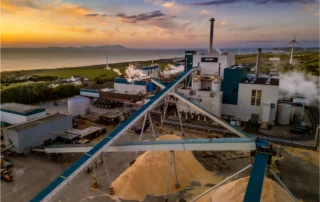
Holmen Workington increases sustainable power generation with HISS
Holmen Paper Mill in Workington, UK, identified an opportunity [...]

Interview with Hans Ladum-Poulsen, Heat Management’s newest representative
With many years of experience in the boiler and [...]
Understanding EU Boiler Regulations: A Technical Guide for Compliance and Efficiency
June 15, 2026 /
Key EU Directives and Regulations You Need to Know
The pressure is on. As an engineer or plant manager, you’re caught in a vise. On one side, a complex web of EU regulations demands strict compliance. On the other, the relentless push for operational efficiency and cost reduction squeezes your resources.
This isn’t just about avoiding fines. The Industrial Emissions Directive (IED), Medium Combustion Plant (MCP) Directive, and Energy Efficiency Directive (EED) are more than legal hurdles; they are technical benchmarks. Simply checking the box means leaving staggering efficiency gains—and profits—on the table.
This guide cuts through the regulatory noise. We will deconstruct the key EU directives from an engineering perspective, translating policy into practical plant-floor requirements. More importantly, we will show you how to transform this regulatory pressure into a powerful competitive advantage.
Key EU Directives and Regulations You Need to Know
To win the game, you must first understand the rules. The EU’s regulatory framework isn’t designed to punish industry, but to push it toward a more efficient, sustainable future. For boiler operators, three core directives set the stage for this transformation.
The Industrial Emissions Directive (IED) and BAT Conclusions
Forget thinking of compliance as a static target. The Industrial Emissions Directive (IED) introduces a mandate for continuous improvement through Best Available Techniques (BAT). These aren’t vague suggestions; they are detailed in legally binding technical documents known as BAT Reference (BREF) documents.
For large combustion plants, these documents set stringent emission limit values (ELVs) for pollutants like NOx, SO₂, and dust. According to the European IPPC Bureau, which publishes the BREF documents, achieving these limits is directly tied to combustion efficiency and the prevention of boiler fouling. This directive forces a shift from reactive maintenance to proactive, intelligent process control.
The Medium Combustion Plant (MCP) Directive
The Medium Combustion Plant (MCP) Directive extends this regulatory oversight to plants with a thermal input between 1 and 50 MW. It closes a significant gap, ensuring that mid-sized industrial boilers are also held to high environmental standards. The directive sets specific emission limits that must be met by deadlines as soon as 2025 for new plants.
These limits demand precise control over the entire combustion process. Any factor that leads to incomplete combustion—such as fouled heat transfer surfaces—can push emissions over the legal threshold. The MCPD makes it technically and financially impossible to ignore the deep connection between boiler cleanliness and compliance.
The Energy Efficiency Directive (EED)
Here is where the regulatory push meets the financial pull. The recast Energy Efficiency Directive (EED) is the commercial driver for optimization, compelling large enterprises to conduct regular energy audits and implement cost-effective savings measures. The directive mandates annual energy savings of up to 1.9%, a target that puts boiler operations squarely in the crosshairs.
This isn’t just about paperwork. The EED incentivizes the adoption of technologies that can deliver verifiable reductions in energy consumption, such as minimizing steam used for sootblowing. As the International Energy Agency notes in its Energy Efficiency 2022 report, industrial energy efficiency is a cornerstone of meeting climate targets, making data-backed optimization a business imperative.
Translating Regulations into Technical Boiler Requirements
Regulations written in Brussels have real, tangible consequences on your plant floor. They create engineering challenges that demand more than just incremental adjustments. They demand a smarter way of operating.
The Fouling-Efficiency-Emissions Nexus
Here’s the vicious cycle that keeps plant managers awake at night. When ash, soot, and slag build up on boiler tubes—a process known as fouling—they act as an insulator. This fouling cripples heat transfer, forcing you to burn more fuel just to maintain the required steam output.
This isn’t a minor issue. The UK government’s technical guidance on the IED notes that slagging can cause a heat transfer drop of up to 5%. This extra fuel burn not only inflates your operational costs but also increases CO₂ emissions and can lead to unstable combustion, generating higher levels of NOx and SOx that violate IED and MCPD limits. You can learn more about troubleshooting these common boiler efficiency issues to better understand the impact.
The Hidden Cost of Inefficient Sootblowing
The traditional answer to fouling is time-based sootblowing—a brute-force approach that often causes more problems than it solves. It operates on a fixed schedule, cleaning whether the boiler is dirty or not. This means massive amounts of high-pressure steam, a valuable energy commodity, are wasted.
This practice directly contradicts the goals of the EED. Furthermore, the repeated thermal shocks from conventional sootblowing cause tube erosion and stress, shortening your boiler’s lifespan. It’s an inefficient, imprecise, and costly method that fails to address the root cause of the problem, as detailed in this comparison of traditional and data-driven cleaning methods.
The Data Deficit in Proving Compliance
How do you prove to an EED auditor that your operations are optimized? How do you demonstrate to an IED regulator that you are employing Best Available Techniques? Without real-time, verifiable data, you are flying blind.
This data deficit makes compliance a reactive, stressful process of guesswork and manual reporting. You lack the concrete evidence to justify your operational choices and cannot pinpoint opportunities for improvement with any certainty. In the modern regulatory environment, operating without robust process analytics is a significant liability, a challenge addressed by leveraging real-time monitoring for sustainable boiler operation.
Achieving “Beyond Compliance” with Data-Driven Optimization
The solution to these technical challenges isn’t to work harder, but to work smarter. Advanced, data-driven technologies provide the precision, control, and verification needed to move beyond simple compliance and achieve true operational excellence.
Solution 1: Intelligent Sootblowing with HISS® for IED/EED Compliance
Imagine a sootblowing system that cleans with surgical precision, only when and where it’s needed. That is the power of the High Impact Sootblowing System (HISS®). It uses advanced sensors and algorithms to detect the actual level of fouling in your boiler, replacing guesswork with data-driven action.
This directly attacks the challenges of the EU directives. By optimizing the cleaning cycle, HISS® slashes the steam consumption required for sootblowing—with some plants seeing reductions of up to 40%, according to EU working group documents. This provides the verifiable energy savings demanded by the EED, while the resulting stable heat transfer ensures efficient combustion, keeping you well within IED and MCPD emission limits. This is how advanced sootblowing optimization reduces boiler emissions.
Solution 2: Proactive Fouling Prevention with Infrasound Cleaning
What if you could prevent fouling from ever gaining a foothold? Infrasound cleaning systems use low-frequency, high-energy acoustic waves to create vibrations that dislodge particulate matter before it can sinter and bond to boiler surfaces. This non-intrusive technology works continuously in hard-to-reach areas without causing erosion or thermal shock.
This proactive approach is a prime example of a Best Available Technique. By maintaining boiler cleanliness over the long term, it ensures consistently high thermal efficiency and stable emissions, making compliance a natural state of operation. It’s a smarter, more elegant solution than aggressive, reactive cleaning, as this comparison of infrasound and traditional sootblowing explains.
Solution 3: Verifiable Performance with Acospector™ Process Analytics
To solve the data deficit, you need a system that provides a clear, real-time window into your process. Acospector™ delivers exactly that, using non-intrusive acoustic technology to analyze fluid composition and process dynamics. It gives you the hard data needed to monitor efficiency, detect anomalies, and optimize performance.
This technology turns compliance from a burden into a science. The concrete data it provides is invaluable for EED energy audits, allowing you to prove the effectiveness of your energy-saving measures. For the IED, it provides the continuous monitoring required to demonstrate that your plant is operating in line with BAT, transforming your ability to leverage data analytics for sustainable boiler operations.
Transforming Regulatory Pressure into a Competitive Advantage
EU boiler regulations are not a finish line to be crossed. They are a technical roadmap for modernization, efficiency, and resilience. The path to guaranteed compliance is paved with smart investments that pay for themselves through reduced fuel consumption, lower maintenance costs, and enhanced operational stability.
The most resilient and profitable industrial plants of the future will not be those that simply comply. They will be the ones that leverage data-driven technologies to operate in a state of continuous optimization, making regulatory compliance a natural byproduct of operational excellence.
See how our intelligent sootblowing systems helped a biomass plant reduce its steam consumption by 40% while ensuring full compliance with MCPD standards. Explore our customer case studies.
Have questions about optimizing your boiler for EU regulations? Connect with one of our engineers today.
Latest news & articles
Meeting EU Emissions Standards Through Advanced Steam Sootblowing Technologies
The walls are closing in. For plant managers and engineers [...]
Holmen Workington increases sustainable power generation with HISS
Holmen Paper Mill in Workington, UK, identified an opportunity [...]
Interview with Hans Ladum-Poulsen, Heat Management’s newest representative
With many years of experience in the boiler and [...]