

Predictive Maintenance Strategies: Using Real-Time Analytics to Prevent Boiler Downtime
November 10, 2025 /
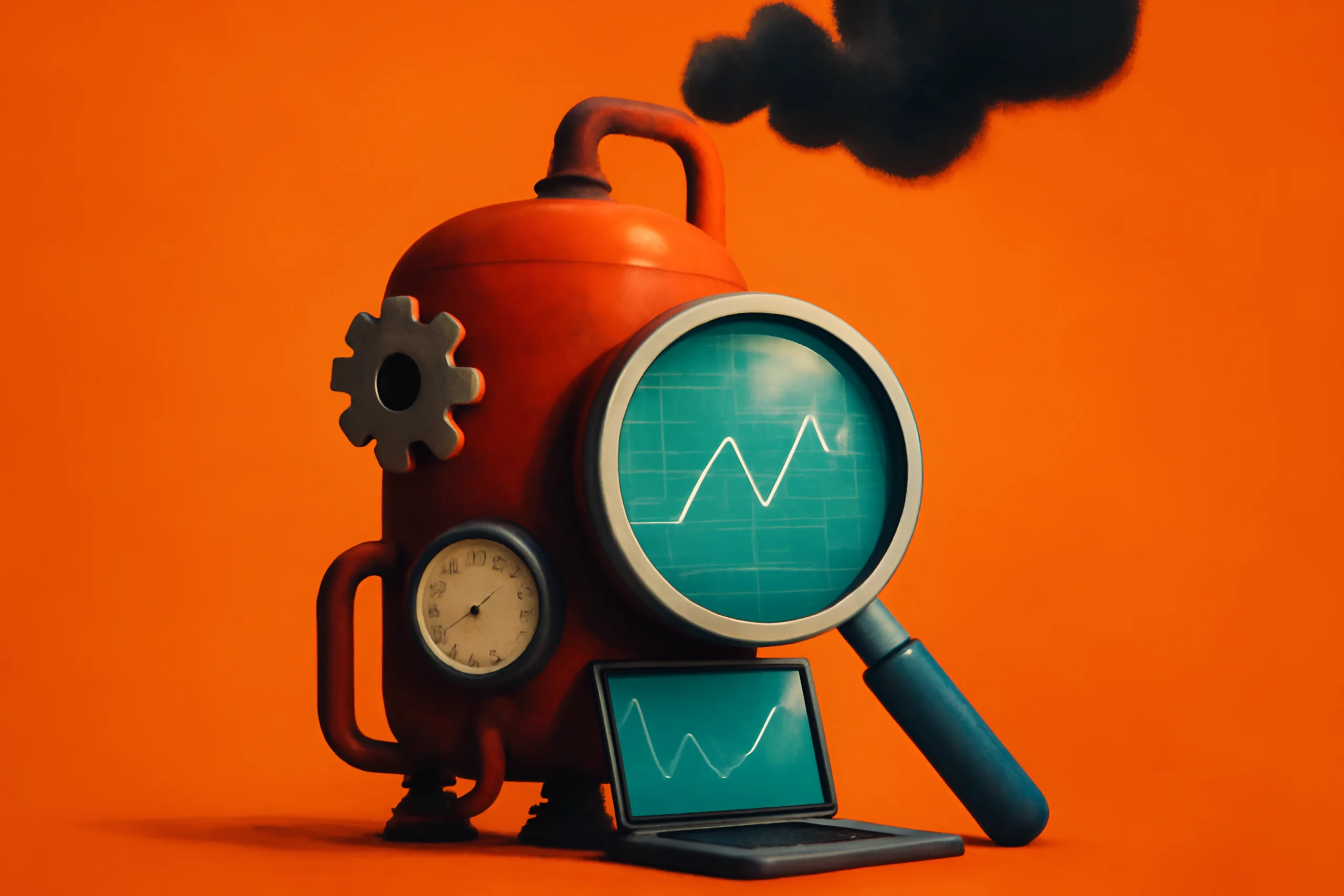
The silence is deafening. One moment, your plant is a symphony of production—the hum of machinery, the rush of steam. The next, an abrupt, chilling quiet that signals one thing: your boiler is down.
You know the feeling. It’s the cold dread that washes over a plant manager when production grinds to a halt. Every second of that silence is money burning, schedules collapsing, and pressure mounting. Unplanned downtime is the single greatest threat to profitability, costing industrial manufacturers a staggering sum annually and creating a cascade of operational chaos.
For too long, we’ve been trapped in a reactive cycle, either waiting for disaster to strike or wasting resources on a rigid, calendar-based schedule. But what if you could hear the whispers of failure long before the silence screams? This is the power of predictive maintenance (PdM), a strategy that transforms your boiler’s operational data into a crystal ball, allowing you to prevent downtime before it ever happens.
Beyond the Calendar: The Limitations of Traditional Maintenance
For decades, the default approach to maintenance has been a costly gamble. The most basic strategy, reactive maintenance, is essentially a “run-to-failure” model. You push equipment to its absolute limit, but the price is catastrophic, unscheduled breakdowns that bring your entire operation to its knees.
Preventive maintenance was a step in the right direction, moving to a time-based schedule. It’s an improvement, but it’s fundamentally flawed and inefficient. This approach often leads to replacing perfectly healthy components simply because the calendar says so, wasting both parts and precious labor hours.
The core problem is that preventive maintenance relies on statistical averages, not the actual, real-time condition of your specific boiler. It cannot predict the random failures that occur between scheduled inspections—and according to some industry analyses, these random events can account for a significant portion of asset failures. You’re still flying blind, hoping that your schedule aligns with your equipment’s reality.
The Solution: Real-Time Analytics for Boiler Health Monitoring
Imagine turning that guesswork into certainty. Real-time analytics does just that by creating a living, breathing digital picture of your boiler’s health. It is the continuous collection, processing, and interpretation of operational data, transforming a flood of numbers into a clear, actionable understanding of your equipment’s condition.
This isn’t just about tracking temperature and pressure anymore. True predictive power comes from monitoring a richer set of data points that act as early warning signs. These critical parameters are the key to unlocking a proactive maintenance strategy and are central to the innovations developed by Heat Management to improve boiler availability.
Key data points include:
- Fluid Composition & Quality: In a recovery boiler, the consistency of black liquor is paramount. Real-time monitoring of solids and ash content with systems like
Acospector™provides immediate insight into potential fouling or carryover risks. - Acoustic & Vibration Signatures: Subtle changes in sound or vibration can indicate growing mechanical stress, bearing wear, or the early stages of fouling buildup on heat transfer surfaces.
- Thermal Performance: Continuously tracking temperature differentials across heat exchangers reveals efficiency losses caused by fouling, allowing for targeted cleaning before performance degrades significantly.
- Pressure Differentials: These readings can instantly identify blockages or leaks within the system that could escalate into major failures.
- Steam Consumption Rates: For sootblowing systems, monitoring steam usage provides direct feedback on cleaning effectiveness. Technologies like the High Impact Sootblowing System (HISS®) are designed to optimize this very process, ensuring maximum cleaning with minimum waste.
A Step-by-Step Guide to Implementing Predictive Maintenance Strategies
Transitioning to a predictive model is a clear, logical process. It’s about building an intelligent system that connects data directly to action. Here is the framework to make it a reality in your plant.
Step 1: Establish an Operational Baseline
You cannot spot a problem if you don’t know what “perfect” looks like. The first step is to use your monitoring systems to collect data while your boiler is running at peak performance. This creates a high-fidelity benchmark—a unique fingerprint of your boiler’s optimal state that becomes the standard against which all future data is compared.
Step 2: Deploy Advanced Monitoring Systems
Standard sensors provide a limited view. To capture the nuanced data needed for accurate predictions, you need advanced, purpose-built monitoring systems. For instance, systems like Heat Management’s Acospector™ Process Analytics use real-time fluid analysis to provide continuous data on critical process parameters, moving far beyond simple temperature or pressure readings.
Step 3: Leverage Analytics to Identify Deviations
With a baseline established and high-quality data flowing in, analytics software gets to work. Sophisticated algorithms continuously analyze the incoming data streams, searching for subtle patterns and deviations that are invisible to the human eye. These tiny anomalies are the first whispers of an impending failure, detected weeks or even months before they would trigger a traditional alarm.
Step 4: Configure Actionable Alerts
An alert that says Parameter X is high is useless noise. A truly intelligent system translates data into clear, direct instructions. A predictive alert should be specific: “Black liquor solids increasing by 7% over 3 hours, risk of carryover event imminent. Recommend initiating targeted sootblowing cycle in sector B.” This is the kind of insight that empowers operators to act decisively.
Step 5: Integrate with Maintenance Workflows
The final step is to close the loop between the digital insight and the physical action. An actionable alert should automatically generate a work order in your plant’s Computerized Maintenance Management System (CMMS). This ensures the right technician is dispatched to perform a targeted inspection or corrective action long before the component fails, turning an emergency into a routine, planned task. This is how you can leverage smart technology for continuous improvement across your entire operation.
The Impact: From Theory to Tangible Results
The payoff for implementing a predictive maintenance strategy is not theoretical; it is measured in uptime, safety, and bottom-line savings. By shifting from a reactive to a proactive stance, you transform your maintenance department from a cost center into a profit driver. This approach is especially critical when managing complex fuel sources, as detailed in our guide on reducing downtime in biomass boilers.
Case in Point – Reducing Downtime in a Pulp Mill
Consider a pulp mill that was plagued by frequent, unpredictable recovery boiler shutdowns. The culprit was black liquor carryover events, which were not being detected by their traditional instruments. These shutdowns crippled production and led to costly, labor-intensive cleanouts.
By implementing a real-time process analytics system to continuously monitor liquor composition, the plant gained the foresight it needed. The system provided early warnings of changing fluid dynamics, allowing operators to adjust processes and initiate targeted sootblowing cycles to prevent carryover. The impact was immediate and profound: an 8% reduction in unscheduled downtime and a dramatic increase in production stability.
This scenario highlights the key benefits that extend across all industries:
- Increased Uptime: The primary goal is achieved—more production hours, greater reliability, and consistent output.
- Reduced Maintenance Costs: You replace expensive, chaotic emergency repairs with planned, efficient, and targeted interventions.
- Improved Safety: Proactively addressing conditions that could lead to catastrophic equipment failures protects your most valuable asset: your people.
- Enhanced Energy Efficiency & Sustainability: A clean, optimally running boiler consumes less fuel and produces fewer emissions. These efficiency gains are a cornerstone of achieving sustainability in boiler operations.
Conclusion: The Future is a Self-Aware Boiler
The era of reactive maintenance is over. Predictive maintenance, powered by real-time analytics, is the definitive strategy for eliminating unplanned boiler downtime in any modern industrial facility. It’s about trading uncertainty for control and transforming your operational data into your most powerful asset.
The future is moving toward fully intelligent, self-aware systems where AI and machine learning will not only predict failures but also recommend and automate corrective actions. As a cleantech company born from the merger of industry leaders Infrafone AB and Soottech AB, Heat Management is at the forefront of this evolution, engineering the solutions that make this future possible today. Don’t wait for the silence to cost you another dollar.
See the data that powers predictive maintenance. Learn more about how the Acospector™ Process Analytics system provides the real-time insights needed to prevent boiler downtime.
Latest news & articles

Meeting EU Emissions Standards Through Advanced Steam Sootblowing Technologies
The walls are closing in. For plant managers and engineers [...]
Holmen Workington increases sustainable power generation with HISS
Holmen Paper Mill in Workington, UK, identified an opportunity [...]

Interview with Hans Ladum-Poulsen, Heat Management’s newest representative
With many years of experience in the boiler and [...]
Predictive Maintenance Strategies: Using Real-Time Analytics to Prevent Boiler Downtime
November 10, 2025 /
The silence is deafening. One moment, your plant is a symphony of production—the hum of machinery, the rush of steam. The next, an abrupt, chilling quiet that signals one thing: your boiler is down.
You know the feeling. It’s the cold dread that washes over a plant manager when production grinds to a halt. Every second of that silence is money burning, schedules collapsing, and pressure mounting. Unplanned downtime is the single greatest threat to profitability, costing industrial manufacturers a staggering sum annually and creating a cascade of operational chaos.
For too long, we’ve been trapped in a reactive cycle, either waiting for disaster to strike or wasting resources on a rigid, calendar-based schedule. But what if you could hear the whispers of failure long before the silence screams? This is the power of predictive maintenance (PdM), a strategy that transforms your boiler’s operational data into a crystal ball, allowing you to prevent downtime before it ever happens.
Beyond the Calendar: The Limitations of Traditional Maintenance
For decades, the default approach to maintenance has been a costly gamble. The most basic strategy, reactive maintenance, is essentially a “run-to-failure” model. You push equipment to its absolute limit, but the price is catastrophic, unscheduled breakdowns that bring your entire operation to its knees.
Preventive maintenance was a step in the right direction, moving to a time-based schedule. It’s an improvement, but it’s fundamentally flawed and inefficient. This approach often leads to replacing perfectly healthy components simply because the calendar says so, wasting both parts and precious labor hours.
The core problem is that preventive maintenance relies on statistical averages, not the actual, real-time condition of your specific boiler. It cannot predict the random failures that occur between scheduled inspections—and according to some industry analyses, these random events can account for a significant portion of asset failures. You’re still flying blind, hoping that your schedule aligns with your equipment’s reality.
The Solution: Real-Time Analytics for Boiler Health Monitoring
Imagine turning that guesswork into certainty. Real-time analytics does just that by creating a living, breathing digital picture of your boiler’s health. It is the continuous collection, processing, and interpretation of operational data, transforming a flood of numbers into a clear, actionable understanding of your equipment’s condition.
This isn’t just about tracking temperature and pressure anymore. True predictive power comes from monitoring a richer set of data points that act as early warning signs. These critical parameters are the key to unlocking a proactive maintenance strategy and are central to the innovations developed by Heat Management to improve boiler availability.
Key data points include:
- Fluid Composition & Quality: In a recovery boiler, the consistency of black liquor is paramount. Real-time monitoring of solids and ash content with systems like
Acospector™provides immediate insight into potential fouling or carryover risks. - Acoustic & Vibration Signatures: Subtle changes in sound or vibration can indicate growing mechanical stress, bearing wear, or the early stages of fouling buildup on heat transfer surfaces.
- Thermal Performance: Continuously tracking temperature differentials across heat exchangers reveals efficiency losses caused by fouling, allowing for targeted cleaning before performance degrades significantly.
- Pressure Differentials: These readings can instantly identify blockages or leaks within the system that could escalate into major failures.
- Steam Consumption Rates: For sootblowing systems, monitoring steam usage provides direct feedback on cleaning effectiveness. Technologies like the High Impact Sootblowing System (HISS®) are designed to optimize this very process, ensuring maximum cleaning with minimum waste.
A Step-by-Step Guide to Implementing Predictive Maintenance Strategies
Transitioning to a predictive model is a clear, logical process. It’s about building an intelligent system that connects data directly to action. Here is the framework to make it a reality in your plant.
Step 1: Establish an Operational Baseline
You cannot spot a problem if you don’t know what “perfect” looks like. The first step is to use your monitoring systems to collect data while your boiler is running at peak performance. This creates a high-fidelity benchmark—a unique fingerprint of your boiler’s optimal state that becomes the standard against which all future data is compared.
Step 2: Deploy Advanced Monitoring Systems
Standard sensors provide a limited view. To capture the nuanced data needed for accurate predictions, you need advanced, purpose-built monitoring systems. For instance, systems like Heat Management’s Acospector™ Process Analytics use real-time fluid analysis to provide continuous data on critical process parameters, moving far beyond simple temperature or pressure readings.
Step 3: Leverage Analytics to Identify Deviations
With a baseline established and high-quality data flowing in, analytics software gets to work. Sophisticated algorithms continuously analyze the incoming data streams, searching for subtle patterns and deviations that are invisible to the human eye. These tiny anomalies are the first whispers of an impending failure, detected weeks or even months before they would trigger a traditional alarm.
Step 4: Configure Actionable Alerts
An alert that says Parameter X is high is useless noise. A truly intelligent system translates data into clear, direct instructions. A predictive alert should be specific: “Black liquor solids increasing by 7% over 3 hours, risk of carryover event imminent. Recommend initiating targeted sootblowing cycle in sector B.” This is the kind of insight that empowers operators to act decisively.
Step 5: Integrate with Maintenance Workflows
The final step is to close the loop between the digital insight and the physical action. An actionable alert should automatically generate a work order in your plant’s Computerized Maintenance Management System (CMMS). This ensures the right technician is dispatched to perform a targeted inspection or corrective action long before the component fails, turning an emergency into a routine, planned task. This is how you can leverage smart technology for continuous improvement across your entire operation.
The Impact: From Theory to Tangible Results
The payoff for implementing a predictive maintenance strategy is not theoretical; it is measured in uptime, safety, and bottom-line savings. By shifting from a reactive to a proactive stance, you transform your maintenance department from a cost center into a profit driver. This approach is especially critical when managing complex fuel sources, as detailed in our guide on reducing downtime in biomass boilers.
Case in Point – Reducing Downtime in a Pulp Mill
Consider a pulp mill that was plagued by frequent, unpredictable recovery boiler shutdowns. The culprit was black liquor carryover events, which were not being detected by their traditional instruments. These shutdowns crippled production and led to costly, labor-intensive cleanouts.
By implementing a real-time process analytics system to continuously monitor liquor composition, the plant gained the foresight it needed. The system provided early warnings of changing fluid dynamics, allowing operators to adjust processes and initiate targeted sootblowing cycles to prevent carryover. The impact was immediate and profound: an 8% reduction in unscheduled downtime and a dramatic increase in production stability.
This scenario highlights the key benefits that extend across all industries:
- Increased Uptime: The primary goal is achieved—more production hours, greater reliability, and consistent output.
- Reduced Maintenance Costs: You replace expensive, chaotic emergency repairs with planned, efficient, and targeted interventions.
- Improved Safety: Proactively addressing conditions that could lead to catastrophic equipment failures protects your most valuable asset: your people.
- Enhanced Energy Efficiency & Sustainability: A clean, optimally running boiler consumes less fuel and produces fewer emissions. These efficiency gains are a cornerstone of achieving sustainability in boiler operations.
Conclusion: The Future is a Self-Aware Boiler
The era of reactive maintenance is over. Predictive maintenance, powered by real-time analytics, is the definitive strategy for eliminating unplanned boiler downtime in any modern industrial facility. It’s about trading uncertainty for control and transforming your operational data into your most powerful asset.
The future is moving toward fully intelligent, self-aware systems where AI and machine learning will not only predict failures but also recommend and automate corrective actions. As a cleantech company born from the merger of industry leaders Infrafone AB and Soottech AB, Heat Management is at the forefront of this evolution, engineering the solutions that make this future possible today. Don’t wait for the silence to cost you another dollar.
See the data that powers predictive maintenance. Learn more about how the Acospector™ Process Analytics system provides the real-time insights needed to prevent boiler downtime.
Latest news & articles
Meeting EU Emissions Standards Through Advanced Steam Sootblowing Technologies
The walls are closing in. For plant managers and engineers [...]
Holmen Workington increases sustainable power generation with HISS
Holmen Paper Mill in Workington, UK, identified an opportunity [...]
Interview with Hans Ladum-Poulsen, Heat Management’s newest representative
With many years of experience in the boiler and [...]