
Optimizing Boiler Performance for Mill Managers: Best Practices and Case Studies
January 16, 2026 /

Every shift, the pressure is on. You’re balancing production targets, managing operational budgets, and fighting for every minute of uptime. In this high-stakes environment, your boiler isn’t just another piece of equipment; it is the economic engine of your entire mill.
But here’s a hard truth: the traditional approach to boiler maintenance is costing you money. It’s designed to prevent catastrophic failure, but it completely overlooks the silent, creeping costs of sub-optimal performance. This slow drain comes from wasted energy, gradual efficiency loss, and production bottlenecks that quietly sabotage your bottom line.
This article is not another maintenance manual. It is a manager’s guide to strategic boiler optimization, designed to help you turn a major cost center into a powerful competitive advantage. We will cover four key best practices and prove their financial impact with real-world industrial boiler case studies.
The Hidden Costs That Impact Your Bottom Line
You can’t manage what you don’t measure, and the true costs of an inefficient boiler are often hidden in plain sight. Gradual fouling and steam loss act as invisible taxes on your fuel budget. According to industry analyses, even a minor drop in boiler efficiency can translate into hundreds of thousands of dollars in additional fuel costs annually.
The consequences of boiler-related shutdowns ripple far beyond the maintenance department. An unplanned outage creates a domino effect, halting the entire production line and disrupting your supply chain commitments. Even planned shutdowns for manual cleaning translate directly into lost production value, a metric that lands squarely on your desk.
Furthermore, relying on aggressive, outdated cleaning methods creates a dangerous CAPEX trap. These harsh techniques accelerate wear and tear on boiler tubes and pressure parts, forcing you into premature and incredibly costly equipment replacements. You can explore more on this topic in our guide to extending boiler lifespan with preventive cleaning strategies.
Finally, in today’s world, poor efficiency is a direct threat to your corporate sustainability goals. Wasted fuel means higher emissions, putting you at risk of failing to meet ESG targets and regulatory requirements. This transforms an operational issue into a significant business and compliance risk, which you can learn more about in our article on reducing emissions with optimized boiler cleaning.
Actionable Strategies for Driving Efficiency and Reliability
Pillar 1: Shift from Reactive Cleaning to Proactive Fouling Control
The challenge is simple: fouling is the number one enemy of heat transfer. As deposits build on boiler surfaces, you are forced to burn more fuel just to maintain the same steam output, driving up operational costs every single day.
The best practice is to abandon the cycle of reactive, manual cleaning and implement intelligent, automated systems that prevent deposit buildup before it ever impacts performance. This proactive approach maintains consistently high thermal efficiency around the clock.
This is where advanced solutions like Infrasound Cleaning and the HISS® (High Impact Sootblowing System) change the game. By keeping heat transfer surfaces clean continuously, these systems slash daily fuel costs and completely eliminate the need for costly shutdowns for manual cleaning. You can find a detailed guide on how to prevent boiler fouling with infrasound cleaning.
Pillar 2: Treat Steam as a High-Value Asset, Not a Utility
Here’s a challenge that directly impacts your production numbers: conventional sootblowing is a massive consumer of high-pressure steam. Every puff of steam used for cleaning is steam that could have been used for production, like in pulp drying machines.
The solution is to adopt sootblowing optimization technology that uses steam with surgical precision. This approach minimizes consumption while maximizing cleaning effectiveness, transforming wasted energy into a valuable production asset. As noted by industry experts, over 90% of the cleaning effect from traditional sootblowing occurs on the first impact, making subsequent efforts highly inefficient.
The HISS® system, for example, typically reduces sootblowing steam consumption by 30-50%. For a mill manager, this isn’t just an efficiency metric; it’s a direct increase in production capacity. This technology frees up more steam for your core processes, allowing you to increase plant throughput without any additional energy input, a concept further explored in our guide to data-driven sootblowing for cost and emission reduction.
Pillar 3: Mitigate Catastrophic Risk with Predictive Analytics
Some operational risks are too great to ignore. In recovery boilers, an unforeseen event like black liquor carryover can cause explosive damage, leading to months of downtime, immense financial loss, and unacceptable safety risks for your personnel.
The best practice is to move beyond simple detection and deploy early warning systems that use real-time data to identify process anomalies long before they escalate into critical failures. This is the essence of modern predictive maintenance strategies for boilers.
Our patented Carryover Early Warning System is designed for precisely this scenario. It provides the crucial minutes needed to adjust processes and prevent a catastrophic event from ever occurring. This technology safeguards your people, protects your multi-million dollar assets, and ensures the operational continuity that is vital to your mill’s success.
Pillar 4: Extend Asset Lifespan to Maximize Capital Investment
The constant cycle of heating and cooling, combined with the mechanical impact from inefficient cleaning, puts immense stress on your boiler. This repeated thermal and mechanical fatigue shortens the life of boiler tubes and pressure parts, accelerating the need for major capital expenditures.
The strategic solution is to utilize cleaning technologies that are both highly effective and gentle on your equipment. This approach protects your initial investment and maximizes its operational lifespan.
The non-intrusive nature of Infrasound cleaning and the controlled, precise energy of HISS® are designed to reduce erosion and thermal fatigue. By minimizing wear and tear, these systems can extend the operational life of your boiler by years, allowing you to defer major capital projects and improve your long-term financial planning. This aligns with the core principles of maximizing heat transfer efficiency with smart cleaning.
Putting Optimization into Practice: Measurable Results from the Field
Case Study 1: Pulp & Paper Mill Boosts Production Capacity
- Industry: Pulp & Paper
- Challenge: A major European mill was production-limited by the amount of steam available for its drying machines, a bottleneck caused by excessive sootblowing consumption.
- Solution: Implemented the HISS® for sootblowing optimization.
Case Study 2: Biomass Plant Achieves Unprecedented Uptime
- Industry: Biomass Power Generation
- Challenge: A Combined Heat and Power (CHP) plant suffered from severe slagging that forced a complete shutdown for manual cleaning every 4-6 weeks, resulting in significant lost revenue.
- Solution: Integrated a hybrid system of Infrasound Cleaning and optimized sootblowing.
You can learn more about the technology behind this success in our post on how data-driven infrasound cleaning boosts boiler efficiency.
The Future-Ready Mill is an Optimized Mill
As we’ve seen, modern boiler performance optimization is not an expense; it is a strategic investment with a clear and compelling return. It directly impacts the metrics you care about most: profitability, operational reliability, and long-term sustainability. By shifting from a reactive maintenance mindset to a proactive optimization strategy, you can unlock hidden capacity and secure a decisive competitive edge.
The data speaks for itself. To see how these principles can be applied to your specific operational challenges, schedule a technical consultation with one of our boiler optimization experts.
For more insights, explore our library of technical resources on achieving greater energy efficiency in mills.
Latest news & articles

Meeting EU Emissions Standards Through Advanced Steam Sootblowing Technologies
The walls are closing in. For plant managers and engineers [...]
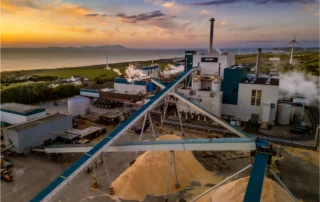
Holmen Workington increases sustainable power generation with HISS
Holmen Paper Mill in Workington, UK, identified an opportunity [...]

Interview with Hans Ladum-Poulsen, Heat Management’s newest representative
With many years of experience in the boiler and [...]
Optimizing Boiler Performance for Mill Managers: Best Practices and Case Studies
January 16, 2026 /
Every shift, the pressure is on. You’re balancing production targets, managing operational budgets, and fighting for every minute of uptime. In this high-stakes environment, your boiler isn’t just another piece of equipment; it is the economic engine of your entire mill.
But here’s a hard truth: the traditional approach to boiler maintenance is costing you money. It’s designed to prevent catastrophic failure, but it completely overlooks the silent, creeping costs of sub-optimal performance. This slow drain comes from wasted energy, gradual efficiency loss, and production bottlenecks that quietly sabotage your bottom line.
This article is not another maintenance manual. It is a manager’s guide to strategic boiler optimization, designed to help you turn a major cost center into a powerful competitive advantage. We will cover four key best practices and prove their financial impact with real-world industrial boiler case studies.
The Hidden Costs That Impact Your Bottom Line
You can’t manage what you don’t measure, and the true costs of an inefficient boiler are often hidden in plain sight. Gradual fouling and steam loss act as invisible taxes on your fuel budget. According to industry analyses, even a minor drop in boiler efficiency can translate into hundreds of thousands of dollars in additional fuel costs annually.
The consequences of boiler-related shutdowns ripple far beyond the maintenance department. An unplanned outage creates a domino effect, halting the entire production line and disrupting your supply chain commitments. Even planned shutdowns for manual cleaning translate directly into lost production value, a metric that lands squarely on your desk.
Furthermore, relying on aggressive, outdated cleaning methods creates a dangerous CAPEX trap. These harsh techniques accelerate wear and tear on boiler tubes and pressure parts, forcing you into premature and incredibly costly equipment replacements. You can explore more on this topic in our guide to extending boiler lifespan with preventive cleaning strategies.
Finally, in today’s world, poor efficiency is a direct threat to your corporate sustainability goals. Wasted fuel means higher emissions, putting you at risk of failing to meet ESG targets and regulatory requirements. This transforms an operational issue into a significant business and compliance risk, which you can learn more about in our article on reducing emissions with optimized boiler cleaning.
Actionable Strategies for Driving Efficiency and Reliability
Pillar 1: Shift from Reactive Cleaning to Proactive Fouling Control
The challenge is simple: fouling is the number one enemy of heat transfer. As deposits build on boiler surfaces, you are forced to burn more fuel just to maintain the same steam output, driving up operational costs every single day.
The best practice is to abandon the cycle of reactive, manual cleaning and implement intelligent, automated systems that prevent deposit buildup before it ever impacts performance. This proactive approach maintains consistently high thermal efficiency around the clock.
This is where advanced solutions like Infrasound Cleaning and the HISS® (High Impact Sootblowing System) change the game. By keeping heat transfer surfaces clean continuously, these systems slash daily fuel costs and completely eliminate the need for costly shutdowns for manual cleaning. You can find a detailed guide on how to prevent boiler fouling with infrasound cleaning.
Pillar 2: Treat Steam as a High-Value Asset, Not a Utility
Here’s a challenge that directly impacts your production numbers: conventional sootblowing is a massive consumer of high-pressure steam. Every puff of steam used for cleaning is steam that could have been used for production, like in pulp drying machines.
The solution is to adopt sootblowing optimization technology that uses steam with surgical precision. This approach minimizes consumption while maximizing cleaning effectiveness, transforming wasted energy into a valuable production asset. As noted by industry experts, over 90% of the cleaning effect from traditional sootblowing occurs on the first impact, making subsequent efforts highly inefficient.
The HISS® system, for example, typically reduces sootblowing steam consumption by 30-50%. For a mill manager, this isn’t just an efficiency metric; it’s a direct increase in production capacity. This technology frees up more steam for your core processes, allowing you to increase plant throughput without any additional energy input, a concept further explored in our guide to data-driven sootblowing for cost and emission reduction.
Pillar 3: Mitigate Catastrophic Risk with Predictive Analytics
Some operational risks are too great to ignore. In recovery boilers, an unforeseen event like black liquor carryover can cause explosive damage, leading to months of downtime, immense financial loss, and unacceptable safety risks for your personnel.
The best practice is to move beyond simple detection and deploy early warning systems that use real-time data to identify process anomalies long before they escalate into critical failures. This is the essence of modern predictive maintenance strategies for boilers.
Our patented Carryover Early Warning System is designed for precisely this scenario. It provides the crucial minutes needed to adjust processes and prevent a catastrophic event from ever occurring. This technology safeguards your people, protects your multi-million dollar assets, and ensures the operational continuity that is vital to your mill’s success.
Pillar 4: Extend Asset Lifespan to Maximize Capital Investment
The constant cycle of heating and cooling, combined with the mechanical impact from inefficient cleaning, puts immense stress on your boiler. This repeated thermal and mechanical fatigue shortens the life of boiler tubes and pressure parts, accelerating the need for major capital expenditures.
The strategic solution is to utilize cleaning technologies that are both highly effective and gentle on your equipment. This approach protects your initial investment and maximizes its operational lifespan.
The non-intrusive nature of Infrasound cleaning and the controlled, precise energy of HISS® are designed to reduce erosion and thermal fatigue. By minimizing wear and tear, these systems can extend the operational life of your boiler by years, allowing you to defer major capital projects and improve your long-term financial planning. This aligns with the core principles of maximizing heat transfer efficiency with smart cleaning.
Putting Optimization into Practice: Measurable Results from the Field
Case Study 1: Pulp & Paper Mill Boosts Production Capacity
- Industry: Pulp & Paper
- Challenge: A major European mill was production-limited by the amount of steam available for its drying machines, a bottleneck caused by excessive sootblowing consumption.
- Solution: Implemented the HISS® for sootblowing optimization.
Case Study 2: Biomass Plant Achieves Unprecedented Uptime
- Industry: Biomass Power Generation
- Challenge: A Combined Heat and Power (CHP) plant suffered from severe slagging that forced a complete shutdown for manual cleaning every 4-6 weeks, resulting in significant lost revenue.
- Solution: Integrated a hybrid system of Infrasound Cleaning and optimized sootblowing.
You can learn more about the technology behind this success in our post on how data-driven infrasound cleaning boosts boiler efficiency.
The Future-Ready Mill is an Optimized Mill
As we’ve seen, modern boiler performance optimization is not an expense; it is a strategic investment with a clear and compelling return. It directly impacts the metrics you care about most: profitability, operational reliability, and long-term sustainability. By shifting from a reactive maintenance mindset to a proactive optimization strategy, you can unlock hidden capacity and secure a decisive competitive edge.
The data speaks for itself. To see how these principles can be applied to your specific operational challenges, schedule a technical consultation with one of our boiler optimization experts.
For more insights, explore our library of technical resources on achieving greater energy efficiency in mills.
Latest news & articles
Meeting EU Emissions Standards Through Advanced Steam Sootblowing Technologies
The walls are closing in. For plant managers and engineers [...]
Holmen Workington increases sustainable power generation with HISS
Holmen Paper Mill in Workington, UK, identified an opportunity [...]
Interview with Hans Ladum-Poulsen, Heat Management’s newest representative
With many years of experience in the boiler and [...]