

Optimizing Boiler Maintenance with Predictive Process Analytics for High-Reliability Plants
November 17, 2025 /

The alert screams. A sudden, catastrophic boiler shutdown plunges your plant into a state of controlled chaos. Every minute of unscheduled downtime feels like an eternity, with production targets evaporating and costs spiraling into the stratosphere.
This is the nightmare scenario for any plant manager or engineer. For too long, we’ve been trapped between two flawed maintenance philosophies. We either react to failures after they’ve already caused immense damage, or we follow a rigid, calendar-based schedule that wastes resources servicing healthy equipment while failing to prevent the very disasters it’s meant to avoid.
But what if you could see the future? What if you could know, with startling accuracy, that a critical failure was developing weeks before it brought your operations to a grinding halt? This isn’t a fantasy; it’s the reality of predictive maintenance, a paradigm shift powered by real-time data and predictive process analytics that is redefining what it means to run a high-reliability plant.
The Shortcomings of a Calendar-Based Approach
Relying on a calendar to dictate boiler maintenance is like navigating a storm with an old map instead of a live weather radar. It’s a system completely disconnected from the dynamic, often brutal reality of your boiler’s internal environment. This outdated approach is not just inefficient; it’s dangerously blind.
The core problem is a profound lack of context. A time-based schedule ignores the crucial variables that truly impact equipment health: fluctuating operational loads, changes in fuel quality, and the subtle shifts in process chemistry that signal impending trouble. According to industry findings, traditional sootblowing methods often waste significant amounts of steam, a direct result of cleaning on a fixed schedule rather than in response to actual conditions, as highlighted in analyses of optimized steam sootblowing technology.
This blindness leads to missed opportunities and wasted resources. Gradual fouling, minor leaks, or corrosive changes in fluid composition are invisible to a calendar, yet they are the precursors to major failures. By servicing equipment that may be in perfect health, you not only waste precious maintenance hours but also risk shortening the lifespan of perfectly good components, a stark contrast to the efficiency gains seen in a comparison of traditional versus intelligent cleaning technologies.
The Predictive Paradigm: How Process Analytics Transforms Maintenance
Predictive process analytics is the antidote to this blindness. It’s not about drowning in data; it’s about transforming that data into a powerful, forward-looking intelligence that gives you absolute control over your maintenance strategy. This is the foundation of modern, data-driven boiler insights.
The framework is elegant in its logic. It begins with continuous data acquisition, where sensors monitor critical parameters like flue gas temperature, steam flow, and fluid chemistry in real-time. Next, sophisticated algorithms perform pattern recognition, analyzing this stream of information against historical data to establish a precise baseline of what normal looks like for your specific boiler under various operating conditions.
Once this digital fingerprint of healthy operation is established, the system excels at anomaly detection. It instantly identifies subtle deviations from the baseline—a slightly faster rise in flue gas temperature indicating accelerated fouling, for example—that are invisible to the human eye. This culminates in predictive alerts, forecasting the optimal time for intervention and allowing your team to shift from reactive firefighting to proactive, planned maintenance, a core principle of integrating process analytics with boiler systems.
Applying Analytics to Critical Boiler Systems
This predictive power becomes truly transformative when applied to the most vulnerable and high-impact areas of your boiler. It moves maintenance from a generalized, plant-wide schedule to a targeted, system-specific strategy that addresses problems before they can escalate. This is where theory meets the plant floor.
Consider fouling and heat transfer, a constant battle for every engineer. Instead of relying on a fixed sootblowing schedule, imagine a system that analyzes heat transfer coefficients and pressure drops to predict the exact moment a cleaning cycle will deliver maximum impact with minimum steam. This is the intelligence that drives advanced sootblowing techniques, ensuring your heat exchangers remain pristine and your efficiency stays peaked.
The same principle applies to fluid and steam purity, where unseen contaminants can silently cause catastrophic corrosion. Even more critical are high-risk events like black liquor carryover in recovery boilers. A minor process upset can lead to severe superheater fouling and a forced shutdown, making the early detection of boiler carryover not just an operational advantage, but a critical safety imperative.
The Acospector™ Advantage: Real-Time Fluid Analysis for Proactive Control
This is precisely where Heat Management’s purpose-built technology turns predictive theory into a plant-floor reality. Our Acospector™ system is not just another sensor; it is a specialized process analytics tool designed to provide the real-time, in-line fluid analysis necessary for a world-class predictive maintenance program. It acts as your eyes and ears inside the process lines.
Acospector™ works by continuously monitoring the composition of fluids like black liquor, detecting minute changes that are the earliest indicators of a developing process issue. This is the core of harnessing real-time fluid analysis for boiler optimization. It provides the high-fidelity data needed to move beyond simple alerts and into the realm of true proactive control.
Imagine this scenario: Acospector™ detects a subtle shift in black liquor composition, an early warning sign of an impending carryover event. Instead of your team reacting to a fouled superheater bank weeks later during a costly shutdown, the system provides an immediate alert. This allows operators to adjust combustion parameters or sootblowing cycles instantly, preventing the fouling from ever taking hold and averting disaster before it even begins.
The Measurable Impact on High-Reliability Plant Operations
Adopting a predictive maintenance strategy isn’t just about new technology; it’s about achieving tangible, bottom-line results that strengthen every facet of your operation. The impact is profound, creating a ripple effect of efficiency, safety, and profitability. This is how you build truly high-reliability plant operations.
The most immediate benefit is maximized uptime. By anticipating failures, you transform unplanned outages into scheduled, efficient interventions, drastically reducing downtime. This directly translates into lower maintenance costs, as you eliminate the premium expense of emergency repairs and extend the life of critical components. As a company focused on delivering world-class technologies that enhance operational availability, we’ve seen how this shift fundamentally changes plant economics.
Furthermore, a cleaner, more optimized boiler is an efficient boiler. By maintaining optimal heat transfer and process stability, plants significantly reduce steam and fuel consumption. This not only cuts operational costs but also strengthens your ESG performance by lowering CO₂ emissions, aligning your plant with global sustainability goals and demonstrating a commitment to sustainable industrial energy solutions.
From Reactive to Predictive—The Future of Boiler Maintenance
The journey from the chaotic, reactive maintenance of the past to the controlled, predictive model of the future is the single most important evolution in modern plant management. It’s a move away from guessing and reacting, and toward knowing and acting with precision. This is no longer a far-off concept; it is a proven, accessible strategy for achieving a new level of operational excellence.
Predictive process analytics gives you the power to see around the corner, to transform your maintenance team from a reactive emergency crew into a proactive force for reliability and efficiency. It puts you back in command of your operations, armed with the data to make the right decision at the right time, every time.
Heat Management stands as your expert partner in this transition. We provide not only the advanced tools but also the deep engineering knowledge required to integrate these systems seamlessly into your plant. We are committed to helping you unlock the full potential of your operations and build a more reliable, efficient, and sustainable future.
Call to Action
See how our Acospector™ Process Analytics system provides the data-driven boiler insights needed to build a world-class predictive maintenance program. Explore the technology and its applications in predictive boiler maintenance here.
Latest news & articles

Meeting EU Emissions Standards Through Advanced Steam Sootblowing Technologies
The walls are closing in. For plant managers and engineers [...]
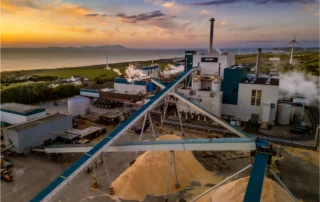
Holmen Workington increases sustainable power generation with HISS
Holmen Paper Mill in Workington, UK, identified an opportunity [...]

Interview with Hans Ladum-Poulsen, Heat Management’s newest representative
With many years of experience in the boiler and [...]
Optimizing Boiler Maintenance with Predictive Process Analytics for High-Reliability Plants
November 17, 2025 /
The alert screams. A sudden, catastrophic boiler shutdown plunges your plant into a state of controlled chaos. Every minute of unscheduled downtime feels like an eternity, with production targets evaporating and costs spiraling into the stratosphere.
This is the nightmare scenario for any plant manager or engineer. For too long, we’ve been trapped between two flawed maintenance philosophies. We either react to failures after they’ve already caused immense damage, or we follow a rigid, calendar-based schedule that wastes resources servicing healthy equipment while failing to prevent the very disasters it’s meant to avoid.
But what if you could see the future? What if you could know, with startling accuracy, that a critical failure was developing weeks before it brought your operations to a grinding halt? This isn’t a fantasy; it’s the reality of predictive maintenance, a paradigm shift powered by real-time data and predictive process analytics that is redefining what it means to run a high-reliability plant.
The Shortcomings of a Calendar-Based Approach
Relying on a calendar to dictate boiler maintenance is like navigating a storm with an old map instead of a live weather radar. It’s a system completely disconnected from the dynamic, often brutal reality of your boiler’s internal environment. This outdated approach is not just inefficient; it’s dangerously blind.
The core problem is a profound lack of context. A time-based schedule ignores the crucial variables that truly impact equipment health: fluctuating operational loads, changes in fuel quality, and the subtle shifts in process chemistry that signal impending trouble. According to industry findings, traditional sootblowing methods often waste significant amounts of steam, a direct result of cleaning on a fixed schedule rather than in response to actual conditions, as highlighted in analyses of optimized steam sootblowing technology.
This blindness leads to missed opportunities and wasted resources. Gradual fouling, minor leaks, or corrosive changes in fluid composition are invisible to a calendar, yet they are the precursors to major failures. By servicing equipment that may be in perfect health, you not only waste precious maintenance hours but also risk shortening the lifespan of perfectly good components, a stark contrast to the efficiency gains seen in a comparison of traditional versus intelligent cleaning technologies.
The Predictive Paradigm: How Process Analytics Transforms Maintenance
Predictive process analytics is the antidote to this blindness. It’s not about drowning in data; it’s about transforming that data into a powerful, forward-looking intelligence that gives you absolute control over your maintenance strategy. This is the foundation of modern, data-driven boiler insights.
The framework is elegant in its logic. It begins with continuous data acquisition, where sensors monitor critical parameters like flue gas temperature, steam flow, and fluid chemistry in real-time. Next, sophisticated algorithms perform pattern recognition, analyzing this stream of information against historical data to establish a precise baseline of what normal looks like for your specific boiler under various operating conditions.
Once this digital fingerprint of healthy operation is established, the system excels at anomaly detection. It instantly identifies subtle deviations from the baseline—a slightly faster rise in flue gas temperature indicating accelerated fouling, for example—that are invisible to the human eye. This culminates in predictive alerts, forecasting the optimal time for intervention and allowing your team to shift from reactive firefighting to proactive, planned maintenance, a core principle of integrating process analytics with boiler systems.
Applying Analytics to Critical Boiler Systems
This predictive power becomes truly transformative when applied to the most vulnerable and high-impact areas of your boiler. It moves maintenance from a generalized, plant-wide schedule to a targeted, system-specific strategy that addresses problems before they can escalate. This is where theory meets the plant floor.
Consider fouling and heat transfer, a constant battle for every engineer. Instead of relying on a fixed sootblowing schedule, imagine a system that analyzes heat transfer coefficients and pressure drops to predict the exact moment a cleaning cycle will deliver maximum impact with minimum steam. This is the intelligence that drives advanced sootblowing techniques, ensuring your heat exchangers remain pristine and your efficiency stays peaked.
The same principle applies to fluid and steam purity, where unseen contaminants can silently cause catastrophic corrosion. Even more critical are high-risk events like black liquor carryover in recovery boilers. A minor process upset can lead to severe superheater fouling and a forced shutdown, making the early detection of boiler carryover not just an operational advantage, but a critical safety imperative.
The Acospector™ Advantage: Real-Time Fluid Analysis for Proactive Control
This is precisely where Heat Management’s purpose-built technology turns predictive theory into a plant-floor reality. Our Acospector™ system is not just another sensor; it is a specialized process analytics tool designed to provide the real-time, in-line fluid analysis necessary for a world-class predictive maintenance program. It acts as your eyes and ears inside the process lines.
Acospector™ works by continuously monitoring the composition of fluids like black liquor, detecting minute changes that are the earliest indicators of a developing process issue. This is the core of harnessing real-time fluid analysis for boiler optimization. It provides the high-fidelity data needed to move beyond simple alerts and into the realm of true proactive control.
Imagine this scenario: Acospector™ detects a subtle shift in black liquor composition, an early warning sign of an impending carryover event. Instead of your team reacting to a fouled superheater bank weeks later during a costly shutdown, the system provides an immediate alert. This allows operators to adjust combustion parameters or sootblowing cycles instantly, preventing the fouling from ever taking hold and averting disaster before it even begins.
The Measurable Impact on High-Reliability Plant Operations
Adopting a predictive maintenance strategy isn’t just about new technology; it’s about achieving tangible, bottom-line results that strengthen every facet of your operation. The impact is profound, creating a ripple effect of efficiency, safety, and profitability. This is how you build truly high-reliability plant operations.
The most immediate benefit is maximized uptime. By anticipating failures, you transform unplanned outages into scheduled, efficient interventions, drastically reducing downtime. This directly translates into lower maintenance costs, as you eliminate the premium expense of emergency repairs and extend the life of critical components. As a company focused on delivering world-class technologies that enhance operational availability, we’ve seen how this shift fundamentally changes plant economics.
Furthermore, a cleaner, more optimized boiler is an efficient boiler. By maintaining optimal heat transfer and process stability, plants significantly reduce steam and fuel consumption. This not only cuts operational costs but also strengthens your ESG performance by lowering CO₂ emissions, aligning your plant with global sustainability goals and demonstrating a commitment to sustainable industrial energy solutions.
From Reactive to Predictive—The Future of Boiler Maintenance
The journey from the chaotic, reactive maintenance of the past to the controlled, predictive model of the future is the single most important evolution in modern plant management. It’s a move away from guessing and reacting, and toward knowing and acting with precision. This is no longer a far-off concept; it is a proven, accessible strategy for achieving a new level of operational excellence.
Predictive process analytics gives you the power to see around the corner, to transform your maintenance team from a reactive emergency crew into a proactive force for reliability and efficiency. It puts you back in command of your operations, armed with the data to make the right decision at the right time, every time.
Heat Management stands as your expert partner in this transition. We provide not only the advanced tools but also the deep engineering knowledge required to integrate these systems seamlessly into your plant. We are committed to helping you unlock the full potential of your operations and build a more reliable, efficient, and sustainable future.
Call to Action
See how our Acospector™ Process Analytics system provides the data-driven boiler insights needed to build a world-class predictive maintenance program. Explore the technology and its applications in predictive boiler maintenance here.
Latest news & articles
Meeting EU Emissions Standards Through Advanced Steam Sootblowing Technologies
The walls are closing in. For plant managers and engineers [...]
Holmen Workington increases sustainable power generation with HISS
Holmen Paper Mill in Workington, UK, identified an opportunity [...]
Interview with Hans Ladum-Poulsen, Heat Management’s newest representative
With many years of experience in the boiler and [...]