

Integrating Real-Time Monitoring with Advanced Cleaning Systems for Industrial Boilers
March 27, 2026 /
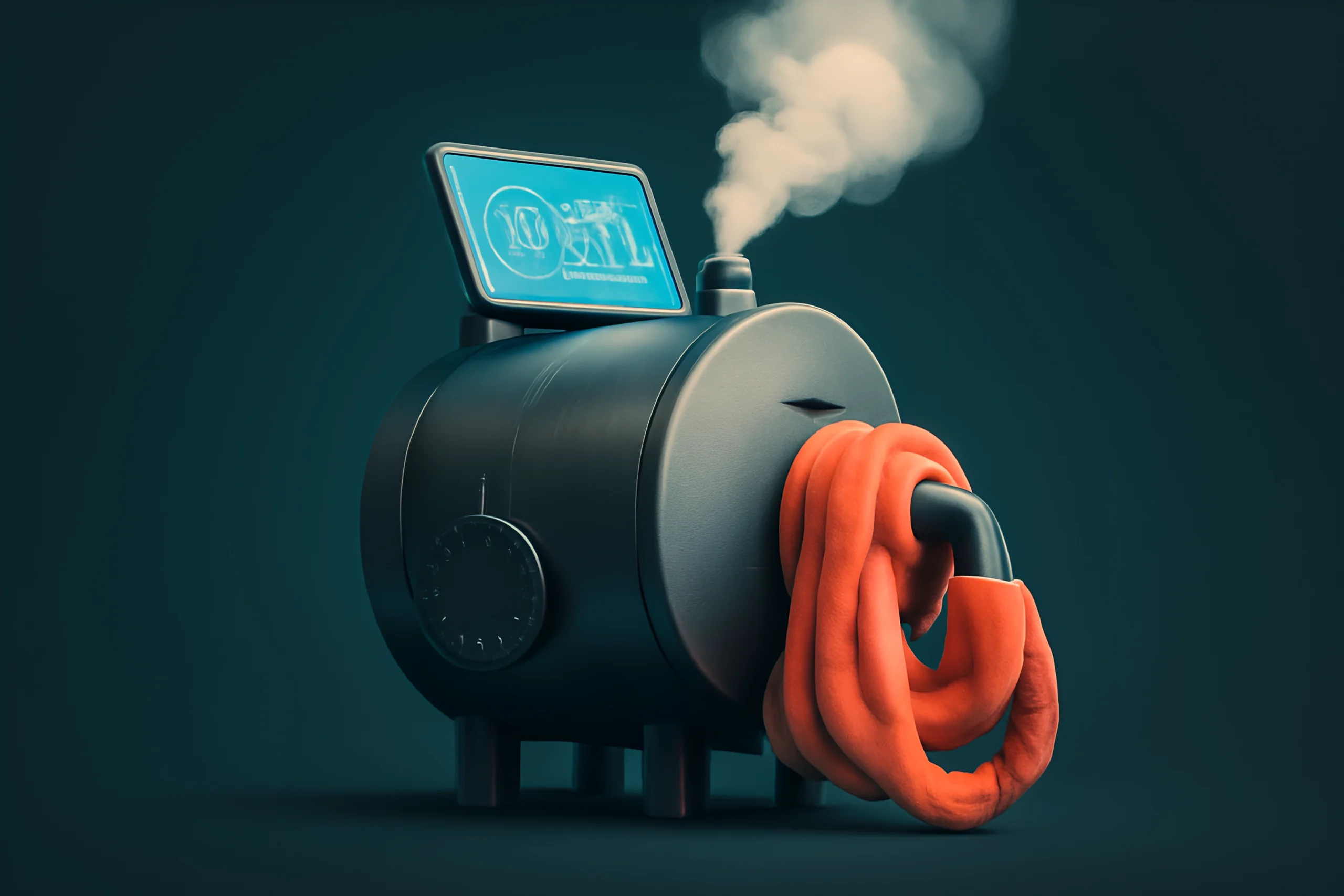
Your industrial boiler is the heart of your operation. But for many, it’s a black box. You clean it on a fixed schedule—not because it’s dirty, but because the clock says it’s time.
This is flying blind. It’s a guessing game that you are guaranteed to lose. Every time you clean too early, you’re just venting expensive steam and money into the atmosphere. Every time you clean too late, you’re letting performance-killing fouling build up, bleeding efficiency and pushing your equipment closer to a catastrophic failure.
There is a better way. The solution is to give your boiler a brain and a voice by integrating real-time monitoring with advanced, automated cleaning systems. This synergy transforms your boiler from a dumb, passive asset into an intelligent, self-optimizing powerhouse that actively protects your bottom line. This article provides the blueprint for that transformation, covering the technology, the process, and the profound operational benefits.
The Limitations of Traditional Boiler Cleaning Strategies
Relying on outdated cleaning strategies is like trying to navigate a minefield with a calendar instead of a map. You might get lucky for a while, but eventually, something will go wrong. The costs of this guesswork are staggering, silently draining your operational budget day after day.
The Inefficiency of Time-Based Schedules
Does the phrase “clean every 8 hours” sound familiar? This rigid, time-based approach is fundamentally flawed because it ignores the one thing that matters: the actual condition of your boiler. The U.S. industrial sector accounts for a staggering 33% of the nation’s total energy consumption, making efficiency paramount.
Cleaning too soon is pure waste. You consume valuable steam, electricity, and manpower for a task that provides zero benefit, all while causing unnecessary wear on your boiler tubes. But cleaning too late is even worse; it allows soot and ash to accumulate, acting as an insulator that chokes heat transfer and forces you to burn more fuel just to maintain output.
The High Cost of Reactive Maintenance
Waiting for an alarm—a spike in flue gas temperature or a pressure drop—is not a strategy; it’s a surrender. This reactive approach means you have already been operating inefficiently for hours or even days, burning excess fuel and putting immense strain on your equipment. The consequences are severe.
This method practically invites the very disasters you want to avoid, from severe plugging to corrosion that can cripple your boiler. Unplanned downtime can cost industrial manufacturers billions annually, turning a preventable maintenance issue into a full-blown financial crisis. It’s a high-stakes gamble where the house always wins.
The Core Components of an Integrated System
To escape this cycle of waste and risk, you need to build a system that sees, thinks, and acts. This intelligent operation is built on two technological pillars: unprecedented visibility through real-time monitoring and surgical precision through advanced cleaning systems. Together, they create a closed-loop system that optimizes performance automatically.
Pillar 1: Real-Time Monitoring – Gaining Unprecedented Visibility
The first step is to eliminate the guesswork by collecting the right data in real time. You need to see exactly what’s happening inside your boiler, monitoring key indicators like heat transfer rates, flue gas temperatures, and differential pressure. This is the foundation of any effective industrial boiler remote monitoring and alarm system.
This level of insight requires advanced enabling technologies. For instance, our Carryover Early Warning System provides a critical data point by detecting harmful black liquor carryover before it can cause catastrophic fouling in recovery boilers. Furthermore, systems like Acospector™ Process Analytics go a step further, providing real-time fluid analysis to predict fouling potential before it even begins, a core principle of mastering boiler process analytics.
These specialized sensors, combined with thermal and pressure monitors, create a comprehensive, data-rich picture of your boiler’s health. This constant stream of information is the lifeblood of an intelligent system, enabling the shift from reactive repairs to proactive optimization. It’s about harnessing engineering data for continuous improvement.
Pillar 2: Advanced Cleaning Systems – Precision in Action
Once you have the data, you need the right tools to act on it. Conventional, brute-force sootblowers are the equivalent of using a sledgehammer for surgery—they are inefficient, wasteful, and cause significant mechanical stress. Modern systems, in contrast, are designed for precision.
These advanced systems deliver targeted, controlled, and highly efficient cleaning action with minimal energy consumption. The HISS® (High Impact Sootblowing System), for example, is engineered to optimize steam usage, delivering maximum cleaning impact with minimum waste. This is a cornerstone of data-driven sootblowing optimization.
Alternatively, Infrasound Cleaning offers a non-intrusive method that prevents particle buildup from ever taking hold, operating continuously and adjusting its intensity based on real-time needs. These smart technologies are essential for maximizing heat transfer efficiency and form the “muscle” of the integrated system, executing cleaning tasks with unparalleled accuracy.
The Integration Blueprint: How Data Drives Automated Action
Having world-class monitoring and cleaning systems is not enough; the real power comes from integrating them into a single, automated control loop. This blueprint outlines how raw data is transformed into intelligent, decisive action, turning your boiler into a truly self-sufficient asset. This is where the concepts of boiler sensor integration and industrial automation become a reality.
Step 1 – Data Acquisition and Centralization
The process begins by creating a robust central nervous system for your boiler. All the data from your various sensors—thermal, pressure, acoustic, and process analytics—must be reliably fed into a central control unit. This could be a PLC, a SCADA system, or a dedicated analytics platform like those offered by JAS Monitoring for remote boiler monitoring.
This step involves the practical work of integrating sensor networks for enhanced monitoring. A stable and secure data pipeline is non-negotiable. It ensures the analytics engine receives a constant, accurate stream of information to make its decisions.
Step 2 – The Analytics Engine: From Data to Insight
This is the brain of the operation. Sophisticated software analyzes the incoming data streams, identifying subtle trends and patterns that would be invisible to a human operator. This is the heart of predictive cleaning technologies, moving beyond simple thresholds to true predictive power.
Imagine this scenario: The system detects a gradual 2% decrease in heat transfer efficiency in the superheater section. Simultaneously, it correlates this trend with data from Acospector™ indicating a slight change in fuel composition. The engine then correctly predicts that a significant fouling event is imminent, long before any alarms are triggered. This is the power of optimizing boiler maintenance with predictive analytics.
Step 3 – The Automated Control Loop: Closing the Circle
The final step is to close the loop from insight to action. Based on its prediction, the analytics engine automatically triggers the appropriate cleaning system at the perfect moment. This is where smart and connected boiler controls demonstrate their true value.
Continuing our example, the system initiates a targeted HISS® sootblowing sequence exclusively in the affected superheater area. It uses the precise amount of steam required to remove the nascent deposit—no more, no less. Alternatively, it might increase the frequency of the Infrasound system to prevent the predicted buildup from forming in the first place, a core principle of data-driven infrasound cleaning.
The Measurable Impact: From Theory to Operational Excellence
Integrating your systems isn’t just a technical exercise; it’s a direct path to profound and measurable improvements in your plant’s performance. This is where the investment pays for itself many times over, delivering tangible results that impact everything from your fuel budget to your equipment lifespan. The shift to an intelligent, self-optimizing boiler delivers a cascade of benefits.
Maximized Thermal Efficiency
By cleaning exactly when needed and only where needed, the system maintains your boiler at peak thermal efficiency around the clock. This constant optimization means you burn less fuel to produce the same amount of steam, leading to significant and immediate fuel savings. This is the ultimate goal of achieving dramatic energy savings through optimization.
Reduced Operational Costs (OPEX)
The impact on your operational budget is direct and dramatic. Intelligent, targeted cleaning can slash steam consumption for sootblowing by 30-50% or even more in some cases. This drastic reduction in wasted energy, combined with lower maintenance needs, directly contributes to slashing operational costs in your facility.
Increased Uptime and Reliability
This integrated approach is your best defense against the fouling and plugging events that cause costly unplanned shutdowns. By proactively managing soot and ash buildup, the system ensures higher reliability and availability. This is fundamental to maximizing boiler uptime and maintaining production continuity.
Extended Equipment Lifespan
Optimized cleaning is gentle cleaning. By avoiding overly frequent or aggressive cleaning cycles, you minimize the thermal and mechanical stress on boiler tubes and other critical components. This preventive approach is key to extending boiler lifespan and protecting your capital investment.
Improved ESG Performance
In today’s world, efficiency is sustainability. Lowering your fuel consumption directly translates to a smaller carbon footprint and reduced CO₂, NOx, and other harmful emissions. This helps your plant meet increasingly stringent environmental regulations and achieve its corporate sustainability goals, a key aspect of integrating real-time analytics for enhanced sustainability.
The Future is an Intelligent, Self-Optimizing Boiler
The era of treating industrial boilers as dumb, brute-force machines is over. The future of profitable and sustainable industrial operations lies not in isolated improvements, but in the intelligent integration of real-time monitoring and advanced cleaning systems. This synergy creates a dynamic, responsive, and highly efficient asset that actively works to save you money and prevent disaster.
Heat Management provides the end-to-end technology to make this future a reality for your plant. From advanced monitoring with Acospector™ to precision cleaning with HISS® and Infrasound, we deliver the components and expertise to build a truly intelligent system.
The question is no longer if automation and data will transform industrial processes, but how quickly you will embrace it to gain a competitive edge.
Latest news & articles

Meeting EU Emissions Standards Through Advanced Steam Sootblowing Technologies
The walls are closing in. For plant managers and engineers [...]
Holmen Workington increases sustainable power generation with HISS
Holmen Paper Mill in Workington, UK, identified an opportunity [...]

Interview with Hans Ladum-Poulsen, Heat Management’s newest representative
With many years of experience in the boiler and [...]
Integrating Real-Time Monitoring with Advanced Cleaning Systems for Industrial Boilers
March 27, 2026 /
Your industrial boiler is the heart of your operation. But for many, it’s a black box. You clean it on a fixed schedule—not because it’s dirty, but because the clock says it’s time.
This is flying blind. It’s a guessing game that you are guaranteed to lose. Every time you clean too early, you’re just venting expensive steam and money into the atmosphere. Every time you clean too late, you’re letting performance-killing fouling build up, bleeding efficiency and pushing your equipment closer to a catastrophic failure.
There is a better way. The solution is to give your boiler a brain and a voice by integrating real-time monitoring with advanced, automated cleaning systems. This synergy transforms your boiler from a dumb, passive asset into an intelligent, self-optimizing powerhouse that actively protects your bottom line. This article provides the blueprint for that transformation, covering the technology, the process, and the profound operational benefits.
The Limitations of Traditional Boiler Cleaning Strategies
Relying on outdated cleaning strategies is like trying to navigate a minefield with a calendar instead of a map. You might get lucky for a while, but eventually, something will go wrong. The costs of this guesswork are staggering, silently draining your operational budget day after day.
The Inefficiency of Time-Based Schedules
Does the phrase “clean every 8 hours” sound familiar? This rigid, time-based approach is fundamentally flawed because it ignores the one thing that matters: the actual condition of your boiler. The U.S. industrial sector accounts for a staggering 33% of the nation’s total energy consumption, making efficiency paramount.
Cleaning too soon is pure waste. You consume valuable steam, electricity, and manpower for a task that provides zero benefit, all while causing unnecessary wear on your boiler tubes. But cleaning too late is even worse; it allows soot and ash to accumulate, acting as an insulator that chokes heat transfer and forces you to burn more fuel just to maintain output.
The High Cost of Reactive Maintenance
Waiting for an alarm—a spike in flue gas temperature or a pressure drop—is not a strategy; it’s a surrender. This reactive approach means you have already been operating inefficiently for hours or even days, burning excess fuel and putting immense strain on your equipment. The consequences are severe.
This method practically invites the very disasters you want to avoid, from severe plugging to corrosion that can cripple your boiler. Unplanned downtime can cost industrial manufacturers billions annually, turning a preventable maintenance issue into a full-blown financial crisis. It’s a high-stakes gamble where the house always wins.
The Core Components of an Integrated System
To escape this cycle of waste and risk, you need to build a system that sees, thinks, and acts. This intelligent operation is built on two technological pillars: unprecedented visibility through real-time monitoring and surgical precision through advanced cleaning systems. Together, they create a closed-loop system that optimizes performance automatically.
Pillar 1: Real-Time Monitoring – Gaining Unprecedented Visibility
The first step is to eliminate the guesswork by collecting the right data in real time. You need to see exactly what’s happening inside your boiler, monitoring key indicators like heat transfer rates, flue gas temperatures, and differential pressure. This is the foundation of any effective industrial boiler remote monitoring and alarm system.
This level of insight requires advanced enabling technologies. For instance, our Carryover Early Warning System provides a critical data point by detecting harmful black liquor carryover before it can cause catastrophic fouling in recovery boilers. Furthermore, systems like Acospector™ Process Analytics go a step further, providing real-time fluid analysis to predict fouling potential before it even begins, a core principle of mastering boiler process analytics.
These specialized sensors, combined with thermal and pressure monitors, create a comprehensive, data-rich picture of your boiler’s health. This constant stream of information is the lifeblood of an intelligent system, enabling the shift from reactive repairs to proactive optimization. It’s about harnessing engineering data for continuous improvement.
Pillar 2: Advanced Cleaning Systems – Precision in Action
Once you have the data, you need the right tools to act on it. Conventional, brute-force sootblowers are the equivalent of using a sledgehammer for surgery—they are inefficient, wasteful, and cause significant mechanical stress. Modern systems, in contrast, are designed for precision.
These advanced systems deliver targeted, controlled, and highly efficient cleaning action with minimal energy consumption. The HISS® (High Impact Sootblowing System), for example, is engineered to optimize steam usage, delivering maximum cleaning impact with minimum waste. This is a cornerstone of data-driven sootblowing optimization.
Alternatively, Infrasound Cleaning offers a non-intrusive method that prevents particle buildup from ever taking hold, operating continuously and adjusting its intensity based on real-time needs. These smart technologies are essential for maximizing heat transfer efficiency and form the “muscle” of the integrated system, executing cleaning tasks with unparalleled accuracy.
The Integration Blueprint: How Data Drives Automated Action
Having world-class monitoring and cleaning systems is not enough; the real power comes from integrating them into a single, automated control loop. This blueprint outlines how raw data is transformed into intelligent, decisive action, turning your boiler into a truly self-sufficient asset. This is where the concepts of boiler sensor integration and industrial automation become a reality.
Step 1 – Data Acquisition and Centralization
The process begins by creating a robust central nervous system for your boiler. All the data from your various sensors—thermal, pressure, acoustic, and process analytics—must be reliably fed into a central control unit. This could be a PLC, a SCADA system, or a dedicated analytics platform like those offered by JAS Monitoring for remote boiler monitoring.
This step involves the practical work of integrating sensor networks for enhanced monitoring. A stable and secure data pipeline is non-negotiable. It ensures the analytics engine receives a constant, accurate stream of information to make its decisions.
Step 2 – The Analytics Engine: From Data to Insight
This is the brain of the operation. Sophisticated software analyzes the incoming data streams, identifying subtle trends and patterns that would be invisible to a human operator. This is the heart of predictive cleaning technologies, moving beyond simple thresholds to true predictive power.
Imagine this scenario: The system detects a gradual 2% decrease in heat transfer efficiency in the superheater section. Simultaneously, it correlates this trend with data from Acospector™ indicating a slight change in fuel composition. The engine then correctly predicts that a significant fouling event is imminent, long before any alarms are triggered. This is the power of optimizing boiler maintenance with predictive analytics.
Step 3 – The Automated Control Loop: Closing the Circle
The final step is to close the loop from insight to action. Based on its prediction, the analytics engine automatically triggers the appropriate cleaning system at the perfect moment. This is where smart and connected boiler controls demonstrate their true value.
Continuing our example, the system initiates a targeted HISS® sootblowing sequence exclusively in the affected superheater area. It uses the precise amount of steam required to remove the nascent deposit—no more, no less. Alternatively, it might increase the frequency of the Infrasound system to prevent the predicted buildup from forming in the first place, a core principle of data-driven infrasound cleaning.
The Measurable Impact: From Theory to Operational Excellence
Integrating your systems isn’t just a technical exercise; it’s a direct path to profound and measurable improvements in your plant’s performance. This is where the investment pays for itself many times over, delivering tangible results that impact everything from your fuel budget to your equipment lifespan. The shift to an intelligent, self-optimizing boiler delivers a cascade of benefits.
Maximized Thermal Efficiency
By cleaning exactly when needed and only where needed, the system maintains your boiler at peak thermal efficiency around the clock. This constant optimization means you burn less fuel to produce the same amount of steam, leading to significant and immediate fuel savings. This is the ultimate goal of achieving dramatic energy savings through optimization.
Reduced Operational Costs (OPEX)
The impact on your operational budget is direct and dramatic. Intelligent, targeted cleaning can slash steam consumption for sootblowing by 30-50% or even more in some cases. This drastic reduction in wasted energy, combined with lower maintenance needs, directly contributes to slashing operational costs in your facility.
Increased Uptime and Reliability
This integrated approach is your best defense against the fouling and plugging events that cause costly unplanned shutdowns. By proactively managing soot and ash buildup, the system ensures higher reliability and availability. This is fundamental to maximizing boiler uptime and maintaining production continuity.
Extended Equipment Lifespan
Optimized cleaning is gentle cleaning. By avoiding overly frequent or aggressive cleaning cycles, you minimize the thermal and mechanical stress on boiler tubes and other critical components. This preventive approach is key to extending boiler lifespan and protecting your capital investment.
Improved ESG Performance
In today’s world, efficiency is sustainability. Lowering your fuel consumption directly translates to a smaller carbon footprint and reduced CO₂, NOx, and other harmful emissions. This helps your plant meet increasingly stringent environmental regulations and achieve its corporate sustainability goals, a key aspect of integrating real-time analytics for enhanced sustainability.
The Future is an Intelligent, Self-Optimizing Boiler
The era of treating industrial boilers as dumb, brute-force machines is over. The future of profitable and sustainable industrial operations lies not in isolated improvements, but in the intelligent integration of real-time monitoring and advanced cleaning systems. This synergy creates a dynamic, responsive, and highly efficient asset that actively works to save you money and prevent disaster.
Heat Management provides the end-to-end technology to make this future a reality for your plant. From advanced monitoring with Acospector™ to precision cleaning with HISS® and Infrasound, we deliver the components and expertise to build a truly intelligent system.
The question is no longer if automation and data will transform industrial processes, but how quickly you will embrace it to gain a competitive edge.
Latest news & articles
Meeting EU Emissions Standards Through Advanced Steam Sootblowing Technologies
The walls are closing in. For plant managers and engineers [...]
Holmen Workington increases sustainable power generation with HISS
Holmen Paper Mill in Workington, UK, identified an opportunity [...]
Interview with Hans Ladum-Poulsen, Heat Management’s newest representative
With many years of experience in the boiler and [...]