

Mastering Boiler Process Analytics: Integrating Data-Driven Solutions for Sustainable Energy Efficiency
December 2, 2025 /

It’s the feeling every plant manager knows. That nagging uncertainty about what’s really happening inside the boiler. You’re staring at a wall of gauges and delayed reports, trying to piece together a puzzle from clues that are already hours, or even days, old. It’s like trying to navigate a ship in a storm by looking at its wake.
This operational blindness is more than just frustrating; it’s costing you. In a world demanding peak performance and environmental responsibility, reactive guesswork leads to catastrophic waste. It bleeds profits through squandered energy, cripples production with unplanned downtime, and chokes your sustainability goals with excess emissions.
The truth is, you can’t optimize what you can’t see. The solution is a fundamental shift in perspective—a move from reacting to problems to predicting and preventing them. This is the power of integrating data-driven solutions for boiler process analytics, a strategy that unlocks unprecedented control and paves the way for truly sustainable industrial energy efficiency.
The Challenge: The High Cost of Operational Blind Spots
Are you tired of running your maintenance schedule by the calendar instead of by condition? Traditional, time-based maintenance is a game of chance. You either service equipment too early, wasting precious resources and man-hours, or you act too late, after efficiency has already plummeted and damage has begun.
This reactive cycle leaves you vulnerable to the silent killers of boiler performance. Gradual deposit buildup from fouling and slagging acts like a layer of insulation on your heat transfer surfaces. Your boiler has to burn more fuel, working harder and harder just to maintain the same output, a problem that can quietly erode efficiency by several percentage points before it’s even noticed.
Then there are the sudden, acute threats like black liquor carryover in recovery boilers. These process upsets can escalate in minutes, causing severe damage and forcing costly shutdowns. The core issue is a critical data gap; manual readings and lagging indicators simply don’t provide the immediate, granular insight needed to stop these problems in their tracks. According to EPCB, advanced automation can reduce energy waste by up to 20%, highlighting the immense cost of operating with these blind spots.
The Solution: Illuminating Boiler Processes with Real-Time Analytics
Imagine if you could peel back the steel walls of your boiler and see the process fluids in real-time. Modern process analytics integration makes this possible. It involves deploying advanced, non-intrusive sensors that continuously monitor the lifeblood of your boiler, turning that black box into an open book.
This isn’t about drowning in more data; it’s about transforming raw data into actionable intelligence. By tracking key parameters like particle concentration, fluid composition, and density, an analytics platform can visualize performance over time. This trend analysis is your new secret weapon, allowing you to spot subtle deviations from your optimal baseline long before they trigger an alarm or become a full-blown crisis.
This is precisely the capability that systems like Heat Management’s Acospector™ provide. Using advanced acoustic technology, it delivers a continuous, real-time analysis of the process fluid itself. It’s the tool that provides the clear, unambiguous data you need to make intelligent, proactive decisions, turning your control room from a reaction center into a command center. The ability to perform this kind of predictive maintenance can reduce overall downtime by 30-50%, according to industry reports.
A Practical Framework for Integrating Data-Driven Solutions
Making the switch to a data-driven strategy is more straightforward than you might think. It’s a logical, step-by-step process focused on gaining visibility and control where it matters most. It all begins with a clear understanding of your operational goals.
Identify Critical Control Points & KPIs
First, you must define what success looks like. Work with your engineering team to identify the key performance indicators (KPIs) that have the biggest impact on your bottom line and sustainability targets. This could be heat transfer efficiency, sootblowing steam consumption, chemical dosage accuracy, or the risk of carryover events.
Deploying the Right Sensor Technology
Once you know what to measure, you need the right tools for the job. It is crucial to select robust, non-intrusive sensors that can survive the harsh internal environment of an industrial boiler while providing an uninterrupted stream of accurate data. As experts at Air Monitor note, precise measurements are the foundation of optimization, and even a 1-3% improvement in boiler efficiency can lead to significant annual fuel savings.
Centralizing Data for Analysis
Isolated data points are of limited use. The real power comes from aggregation. Data from sensors like Acospector™ must be fed into a central system, such as your plant’s Distributed Control System (DCS) or a dedicated analytics platform. Here, it can be correlated with other operational data—like fuel feed rates and steam output—to create a complete, holistic view of boiler health and performance.
Establishing Baselines and Predictive Alerts
With the system live, the first task is to establish a “normal” operational baseline. This digital fingerprint of your boiler running at peak efficiency becomes the benchmark against which all future performance is measured. From there, you can configure automated alerts for any deviation, creating an early warning system that flags potential fouling, process upsets, or inefficiencies long before they impact production.
The Impact: Quantifiable Gains in Efficiency, Reliability, and Sustainability
Integrating real-time analytics isn’t just a technical upgrade; it’s a strategic investment that delivers powerful, measurable returns. The impact is felt across the entire operation, from the boiler room floor to the corporate ESG report. This is where data transforms into dollars saved and goals achieved.
Optimized Cleaning Cycles & Reduced Steam Consumption
One of the most immediate benefits is the end of wasteful, calendar-based cleaning. Real-time fouling data from Acospector™ enables a shift to performance-based sootblowing. This means intelligent cleaning systems, like our HISS® or Infrasound Cleaning, are activated precisely when needed—and only when needed. This data-driven approach prevents the energy waste of over-cleaning and the efficiency loss of under-cleaning, directly reducing steam consumption and maximizing uptime.
Predictive Maintenance & Increased Uptime
For a Plant Manager, reliability is everything. Process analytics act as a constant watchtower, providing early warnings for upsets like carryover that could lead to catastrophic failure. As detailed in our guide to understanding the carryover early warning system, catching these events early allows operators to take corrective action before equipment is damaged or a forced shutdown is required. This proactive stance is the cornerstone of modern predictive maintenance.
Enhanced Boiler Energy Efficiency and Emissions Reduction
The connection is simple and direct: a cleaner, more stable boiler is a more efficient boiler. By maintaining optimal heat transfer and preventing process upsets, the boiler requires less fuel to generate the same amount of energy. This directly reduces operating costs and, crucially, lowers CO₂ emissions, providing tangible proof of your commitment to corporate sustainability targets. As ST-One explains, detailed steam and emissions analysis is key to improving environmental stewardship.
Consider this real-world impact: a pulp mill integrating process analytics saw a 15% reduction in sootblowing steam consumption and caught two potential carryover events in the first six months, preventing an estimated 48 hours of catastrophic downtime.
The Future of Boiler Management is Data-Driven
We’ve journeyed from the uncertainty of the boiler’s black box to the clarity of proactive, data-driven optimization. Mastering boiler process analytics is no longer a luxury for the cutting edge; it is an essential discipline for any industrial operation serious about achieving operational excellence and meeting its sustainability promises. The era of reactive problem-solving is over.
The road ahead points toward even greater intelligence, where AI and machine learning will leverage this rich data to create self-optimizing boiler systems. This is not science fiction; it is the next logical step in the evolution of industrial energy management. As these emerging trends in boiler optimization take hold, the facilities that have already built a strong data foundation will be the ones to lead the way.
Heat Management is proud to be your partner in this technological evolution. We provide the robust tools and deep engineering expertise necessary to illuminate your processes, empowering you to operate more efficiently, more reliably, and more sustainably than ever before.
See the Data in Action
Ready to look inside your boiler’s black box? Explore how the Acospector™ Process Analytics system provides real-time insights to prevent fouling and optimize boiler performance.
Discuss Your Challenges
Have questions about integrating analytics into your plant? Contact our engineering team today to discuss your specific operational challenges and goals.
Latest news & articles

Meeting EU Emissions Standards Through Advanced Steam Sootblowing Technologies
The walls are closing in. For plant managers and engineers [...]
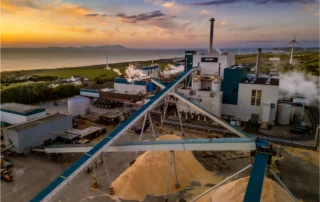
Holmen Workington increases sustainable power generation with HISS
Holmen Paper Mill in Workington, UK, identified an opportunity [...]

Interview with Hans Ladum-Poulsen, Heat Management’s newest representative
With many years of experience in the boiler and [...]
Mastering Boiler Process Analytics: Integrating Data-Driven Solutions for Sustainable Energy Efficiency
December 2, 2025 /
It’s the feeling every plant manager knows. That nagging uncertainty about what’s really happening inside the boiler. You’re staring at a wall of gauges and delayed reports, trying to piece together a puzzle from clues that are already hours, or even days, old. It’s like trying to navigate a ship in a storm by looking at its wake.
This operational blindness is more than just frustrating; it’s costing you. In a world demanding peak performance and environmental responsibility, reactive guesswork leads to catastrophic waste. It bleeds profits through squandered energy, cripples production with unplanned downtime, and chokes your sustainability goals with excess emissions.
The truth is, you can’t optimize what you can’t see. The solution is a fundamental shift in perspective—a move from reacting to problems to predicting and preventing them. This is the power of integrating data-driven solutions for boiler process analytics, a strategy that unlocks unprecedented control and paves the way for truly sustainable industrial energy efficiency.
The Challenge: The High Cost of Operational Blind Spots
Are you tired of running your maintenance schedule by the calendar instead of by condition? Traditional, time-based maintenance is a game of chance. You either service equipment too early, wasting precious resources and man-hours, or you act too late, after efficiency has already plummeted and damage has begun.
This reactive cycle leaves you vulnerable to the silent killers of boiler performance. Gradual deposit buildup from fouling and slagging acts like a layer of insulation on your heat transfer surfaces. Your boiler has to burn more fuel, working harder and harder just to maintain the same output, a problem that can quietly erode efficiency by several percentage points before it’s even noticed.
Then there are the sudden, acute threats like black liquor carryover in recovery boilers. These process upsets can escalate in minutes, causing severe damage and forcing costly shutdowns. The core issue is a critical data gap; manual readings and lagging indicators simply don’t provide the immediate, granular insight needed to stop these problems in their tracks. According to EPCB, advanced automation can reduce energy waste by up to 20%, highlighting the immense cost of operating with these blind spots.
The Solution: Illuminating Boiler Processes with Real-Time Analytics
Imagine if you could peel back the steel walls of your boiler and see the process fluids in real-time. Modern process analytics integration makes this possible. It involves deploying advanced, non-intrusive sensors that continuously monitor the lifeblood of your boiler, turning that black box into an open book.
This isn’t about drowning in more data; it’s about transforming raw data into actionable intelligence. By tracking key parameters like particle concentration, fluid composition, and density, an analytics platform can visualize performance over time. This trend analysis is your new secret weapon, allowing you to spot subtle deviations from your optimal baseline long before they trigger an alarm or become a full-blown crisis.
This is precisely the capability that systems like Heat Management’s Acospector™ provide. Using advanced acoustic technology, it delivers a continuous, real-time analysis of the process fluid itself. It’s the tool that provides the clear, unambiguous data you need to make intelligent, proactive decisions, turning your control room from a reaction center into a command center. The ability to perform this kind of predictive maintenance can reduce overall downtime by 30-50%, according to industry reports.
A Practical Framework for Integrating Data-Driven Solutions
Making the switch to a data-driven strategy is more straightforward than you might think. It’s a logical, step-by-step process focused on gaining visibility and control where it matters most. It all begins with a clear understanding of your operational goals.
Identify Critical Control Points & KPIs
First, you must define what success looks like. Work with your engineering team to identify the key performance indicators (KPIs) that have the biggest impact on your bottom line and sustainability targets. This could be heat transfer efficiency, sootblowing steam consumption, chemical dosage accuracy, or the risk of carryover events.
Deploying the Right Sensor Technology
Once you know what to measure, you need the right tools for the job. It is crucial to select robust, non-intrusive sensors that can survive the harsh internal environment of an industrial boiler while providing an uninterrupted stream of accurate data. As experts at Air Monitor note, precise measurements are the foundation of optimization, and even a 1-3% improvement in boiler efficiency can lead to significant annual fuel savings.
Centralizing Data for Analysis
Isolated data points are of limited use. The real power comes from aggregation. Data from sensors like Acospector™ must be fed into a central system, such as your plant’s Distributed Control System (DCS) or a dedicated analytics platform. Here, it can be correlated with other operational data—like fuel feed rates and steam output—to create a complete, holistic view of boiler health and performance.
Establishing Baselines and Predictive Alerts
With the system live, the first task is to establish a “normal” operational baseline. This digital fingerprint of your boiler running at peak efficiency becomes the benchmark against which all future performance is measured. From there, you can configure automated alerts for any deviation, creating an early warning system that flags potential fouling, process upsets, or inefficiencies long before they impact production.
The Impact: Quantifiable Gains in Efficiency, Reliability, and Sustainability
Integrating real-time analytics isn’t just a technical upgrade; it’s a strategic investment that delivers powerful, measurable returns. The impact is felt across the entire operation, from the boiler room floor to the corporate ESG report. This is where data transforms into dollars saved and goals achieved.
Optimized Cleaning Cycles & Reduced Steam Consumption
One of the most immediate benefits is the end of wasteful, calendar-based cleaning. Real-time fouling data from Acospector™ enables a shift to performance-based sootblowing. This means intelligent cleaning systems, like our HISS® or Infrasound Cleaning, are activated precisely when needed—and only when needed. This data-driven approach prevents the energy waste of over-cleaning and the efficiency loss of under-cleaning, directly reducing steam consumption and maximizing uptime.
Predictive Maintenance & Increased Uptime
For a Plant Manager, reliability is everything. Process analytics act as a constant watchtower, providing early warnings for upsets like carryover that could lead to catastrophic failure. As detailed in our guide to understanding the carryover early warning system, catching these events early allows operators to take corrective action before equipment is damaged or a forced shutdown is required. This proactive stance is the cornerstone of modern predictive maintenance.
Enhanced Boiler Energy Efficiency and Emissions Reduction
The connection is simple and direct: a cleaner, more stable boiler is a more efficient boiler. By maintaining optimal heat transfer and preventing process upsets, the boiler requires less fuel to generate the same amount of energy. This directly reduces operating costs and, crucially, lowers CO₂ emissions, providing tangible proof of your commitment to corporate sustainability targets. As ST-One explains, detailed steam and emissions analysis is key to improving environmental stewardship.
Consider this real-world impact: a pulp mill integrating process analytics saw a 15% reduction in sootblowing steam consumption and caught two potential carryover events in the first six months, preventing an estimated 48 hours of catastrophic downtime.
The Future of Boiler Management is Data-Driven
We’ve journeyed from the uncertainty of the boiler’s black box to the clarity of proactive, data-driven optimization. Mastering boiler process analytics is no longer a luxury for the cutting edge; it is an essential discipline for any industrial operation serious about achieving operational excellence and meeting its sustainability promises. The era of reactive problem-solving is over.
The road ahead points toward even greater intelligence, where AI and machine learning will leverage this rich data to create self-optimizing boiler systems. This is not science fiction; it is the next logical step in the evolution of industrial energy management. As these emerging trends in boiler optimization take hold, the facilities that have already built a strong data foundation will be the ones to lead the way.
Heat Management is proud to be your partner in this technological evolution. We provide the robust tools and deep engineering expertise necessary to illuminate your processes, empowering you to operate more efficiently, more reliably, and more sustainably than ever before.
See the Data in Action
Ready to look inside your boiler’s black box? Explore how the Acospector™ Process Analytics system provides real-time insights to prevent fouling and optimize boiler performance.
Discuss Your Challenges
Have questions about integrating analytics into your plant? Contact our engineering team today to discuss your specific operational challenges and goals.
Latest news & articles
Meeting EU Emissions Standards Through Advanced Steam Sootblowing Technologies
The walls are closing in. For plant managers and engineers [...]
Holmen Workington increases sustainable power generation with HISS
Holmen Paper Mill in Workington, UK, identified an opportunity [...]
Interview with Hans Ladum-Poulsen, Heat Management’s newest representative
With many years of experience in the boiler and [...]