

Innovative Biomass Boiler Fouling Prevention Using Infrasound Cleaning Techniques
January 16, 2026 /

Biomass is the workhorse of the renewable energy transition. But what if that same sustainable fuel is silently killing your plant’s availability and bleeding your budget dry? This is the biomass paradox: a clean energy source that creates some of the dirtiest, most stubborn operational problems imaginable.
The culprits are fouling, slagging, and sintering—the relentless buildup of ash that chokes heat transfer, drives up costs, and forces unplanned shutdowns. For too long, the industry has relied on brute-force cleaning methods that are often too little, too late. But a fundamental shift is underway, moving away from reactive cleaning to proactive, intelligent prevention.
This article is a technical guide for the engineers and plant managers on the front lines. We will explore the science behind infrasound cleaning, a non-intrusive strategy that stops fouling before it starts. Prepare to see how this advanced technology delivers the efficiency, reliability, and safety your biomass operation was designed to achieve.
Understanding the Root Cause: Why Biomass Boilers Are Prone to Severe Fouling
The problem with biomass isn’t the energy; it’s the chemistry. Many common biomass fuels, like straw and wood waste, are naturally high in alkali metals such as potassium and sodium. When combined with chlorine during combustion, these elements create a perfect storm for fouling.
This unique fuel chemistry dramatically lowers the melting point of the ash. Instead of a dry, manageable powder, you get a sticky, semi-molten substance that adheres to heat transfer surfaces with incredible tenacity. As noted in an Emerson technical article on biomass challenges, this sticky soot is far more problematic than ash from conventional fuels.
The consequences are severe and immediate. These deposits act as an insulator, crippling heat transfer and reducing steam temperatures. Flue gas exit temperatures rise, wasting valuable energy, while gas passages become blocked, leading to dangerous pressure differentials and, ultimately, forced outages for hazardous manual cleaning.
Why Traditional Boiler Cleaning Falls Short for Biomass Applications
For decades, the go-to solution for boiler fouling has been steam sootblowing. While effective against brittle deposits, it’s a blunt instrument against the sticky, tenacious ash found in biomass boilers. This approach often fails to remove the initial sintered layer, and its high-pressure blasts can cause significant tube erosion and thermal shock, shortening the lifespan of critical assets.
When sootblowers can’t keep up, plants are forced into manual cleaning. This is the most inefficient and costly option, requiring a complete shutdown and introducing significant safety risks for personnel working in confined, hazardous spaces. It’s a purely reactive measure that does nothing to prevent the problem from immediately recurring once the boiler is back online.
Other methods, like water cannons, introduce an even greater risk of severe thermal stress, potentially causing catastrophic tube damage. These conventional methods all share the same fundamental flaw: they attack the symptom—the hardened deposit—instead of the cause. A detailed comparison of conventional and smart sootblowing technologies reveals just how outdated these brute-force approaches have become.
The Science of Prevention: How Infrasound Cleaning Technology Works
Imagine a cleaning method you can’t see or hear, yet it works continuously to protect your entire boiler. That is the power of infrasound. It uses low-frequency acoustic waves, typically below 20 Hz, that are felt as a gentle vibration rather than heard as noise.
The core mechanism is a phenomenon called fluidization. The infrasound waves create a resonating pressure field that vibrates not just the boiler structure, but the flue gas and the fine ash particles suspended within it. This constant, gentle agitation prevents particles from settling on surfaces and forming the initial bond that leads to sintering and hard deposit buildup. As explained in a foundational paper on infrasound generators, this technique was engineered specifically to keep ash particles in motion.
This is the critical difference that makes innovative infrasound cleaning techniques so effective: they are preventative, not reactive. Instead of blasting away hardened deposits, infrasound technology stops them from ever forming. It’s a continuous, gentle process that maintains cleanliness, unlike the intermittent, aggressive cycles of traditional methods.
Furthermore, the long wavelengths of low-frequency sound allow it to travel around obstacles and fill entire boiler cavities. This ensures 360° coverage without the blind spots common to line-of-sight methods like sootblowing. From the superheater to the economizer, every surface benefits from the preventative cleaning effect.
Applying Infrasound for Maximum Impact in a Biomass Plant
Successful implementation of infrasound technology is about strategic placement and seamless integration. The infrasound emitters, or horns, are typically installed at the top of critical boiler sections where fouling has the greatest impact. Ideal locations include the superheater, reheater, economizer, and air preheater sections.
The system operates automatically and continuously, requiring minimal human intervention. Activated by a simple 24V DC solenoid valve and standard plant compressed air (6-8 bar), the emitters generate short bursts of infrasound every few minutes. This low-energy, high-frequency operation integrates directly into the plant’s Distributed Control System (DCS), becoming a core part of your automated operational strategy, as detailed in this technical overview of infrasound cleaning.
Infrasound cleaning doesn’t have to be a complete replacement; it can create a powerful hybrid system. By preventing the initial sticky layer from forming, infrasound makes existing steam sootblowers more effective and drastically reduces their required frequency. Plants often report a 50-75% reduction in steam sootblowing, saving energy, reducing erosion, and extending asset life. For engineers ready to move from theory to practice, our comprehensive guide to implementing infrasound cleaning for industrial boilers provides a detailed roadmap.
Measurable Results: The ROI of Infrasound Boiler Cleaning
The true measure of any technology is its impact on the bottom line. By maintaining clean heat transfer surfaces, infrasound cleaning stabilizes steam temperatures and reduces flue gas exit temperatures, directly boosting thermal efficiency. Plants that adopt this technology typically report a sustained increase in boiler efficiency, ensuring more energy is produced from the same amount of fuel.
This proactive approach dramatically increases plant availability. By preventing the blockages that cause forced outages, infrasound cleaning eliminates the need for most unplanned shutdowns and drastically reduces scheduled downtime for manual cleaning. This translates directly into more operating hours and increased revenue.
The financial returns are compelling and swift. With reduced steam consumption, eliminated tube erosion, and minimized manual labor costs, the return on investment is clear. Many facilities see a full payback in just 6-24 months. Beyond the financial gains, it enhances plant safety by minimizing the need for personnel to enter hazardous boiler environments, a benefit that aligns with modern ESG goals and improves industrial boiler sustainability.
A Proactive Approach to Biomass Boiler Reliability
The unique fouling challenges posed by biomass fuels demand an equally unique and intelligent solution. Relying on outdated, reactive cleaning methods is no longer a viable strategy for a modern, competitive energy plant. The paradigm has shifted from aggressive, intermittent cleaning to gentle, continuous prevention.
Infrasound cleaning technology represents this new approach. It addresses the root cause of fouling by preventing ash particles from ever adhering to boiler surfaces, ensuring sustained efficiency, maximizing uptime, and protecting your critical assets from wear and tear. It is the key to unlocking the full potential of your biomass facility.
At Heat Management, our mission is to drive performance and sustainability through engineering precision. We see infrasound technology not just as a product, but as a cornerstone of reliable, efficient, and profitable biomass power generation. It’s time to stop fighting fires and start preventing them.
Latest news & articles

Meeting EU Emissions Standards Through Advanced Steam Sootblowing Technologies
The walls are closing in. For plant managers and engineers [...]
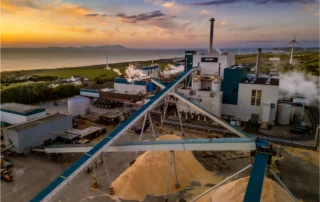
Holmen Workington increases sustainable power generation with HISS
Holmen Paper Mill in Workington, UK, identified an opportunity [...]

Interview with Hans Ladum-Poulsen, Heat Management’s newest representative
With many years of experience in the boiler and [...]
Innovative Biomass Boiler Fouling Prevention Using Infrasound Cleaning Techniques
January 16, 2026 /
Biomass is the workhorse of the renewable energy transition. But what if that same sustainable fuel is silently killing your plant’s availability and bleeding your budget dry? This is the biomass paradox: a clean energy source that creates some of the dirtiest, most stubborn operational problems imaginable.
The culprits are fouling, slagging, and sintering—the relentless buildup of ash that chokes heat transfer, drives up costs, and forces unplanned shutdowns. For too long, the industry has relied on brute-force cleaning methods that are often too little, too late. But a fundamental shift is underway, moving away from reactive cleaning to proactive, intelligent prevention.
This article is a technical guide for the engineers and plant managers on the front lines. We will explore the science behind infrasound cleaning, a non-intrusive strategy that stops fouling before it starts. Prepare to see how this advanced technology delivers the efficiency, reliability, and safety your biomass operation was designed to achieve.
Understanding the Root Cause: Why Biomass Boilers Are Prone to Severe Fouling
The problem with biomass isn’t the energy; it’s the chemistry. Many common biomass fuels, like straw and wood waste, are naturally high in alkali metals such as potassium and sodium. When combined with chlorine during combustion, these elements create a perfect storm for fouling.
This unique fuel chemistry dramatically lowers the melting point of the ash. Instead of a dry, manageable powder, you get a sticky, semi-molten substance that adheres to heat transfer surfaces with incredible tenacity. As noted in an Emerson technical article on biomass challenges, this sticky soot is far more problematic than ash from conventional fuels.
The consequences are severe and immediate. These deposits act as an insulator, crippling heat transfer and reducing steam temperatures. Flue gas exit temperatures rise, wasting valuable energy, while gas passages become blocked, leading to dangerous pressure differentials and, ultimately, forced outages for hazardous manual cleaning.
Why Traditional Boiler Cleaning Falls Short for Biomass Applications
For decades, the go-to solution for boiler fouling has been steam sootblowing. While effective against brittle deposits, it’s a blunt instrument against the sticky, tenacious ash found in biomass boilers. This approach often fails to remove the initial sintered layer, and its high-pressure blasts can cause significant tube erosion and thermal shock, shortening the lifespan of critical assets.
When sootblowers can’t keep up, plants are forced into manual cleaning. This is the most inefficient and costly option, requiring a complete shutdown and introducing significant safety risks for personnel working in confined, hazardous spaces. It’s a purely reactive measure that does nothing to prevent the problem from immediately recurring once the boiler is back online.
Other methods, like water cannons, introduce an even greater risk of severe thermal stress, potentially causing catastrophic tube damage. These conventional methods all share the same fundamental flaw: they attack the symptom—the hardened deposit—instead of the cause. A detailed comparison of conventional and smart sootblowing technologies reveals just how outdated these brute-force approaches have become.
The Science of Prevention: How Infrasound Cleaning Technology Works
Imagine a cleaning method you can’t see or hear, yet it works continuously to protect your entire boiler. That is the power of infrasound. It uses low-frequency acoustic waves, typically below 20 Hz, that are felt as a gentle vibration rather than heard as noise.
The core mechanism is a phenomenon called fluidization. The infrasound waves create a resonating pressure field that vibrates not just the boiler structure, but the flue gas and the fine ash particles suspended within it. This constant, gentle agitation prevents particles from settling on surfaces and forming the initial bond that leads to sintering and hard deposit buildup. As explained in a foundational paper on infrasound generators, this technique was engineered specifically to keep ash particles in motion.
This is the critical difference that makes innovative infrasound cleaning techniques so effective: they are preventative, not reactive. Instead of blasting away hardened deposits, infrasound technology stops them from ever forming. It’s a continuous, gentle process that maintains cleanliness, unlike the intermittent, aggressive cycles of traditional methods.
Furthermore, the long wavelengths of low-frequency sound allow it to travel around obstacles and fill entire boiler cavities. This ensures 360° coverage without the blind spots common to line-of-sight methods like sootblowing. From the superheater to the economizer, every surface benefits from the preventative cleaning effect.
Applying Infrasound for Maximum Impact in a Biomass Plant
Successful implementation of infrasound technology is about strategic placement and seamless integration. The infrasound emitters, or horns, are typically installed at the top of critical boiler sections where fouling has the greatest impact. Ideal locations include the superheater, reheater, economizer, and air preheater sections.
The system operates automatically and continuously, requiring minimal human intervention. Activated by a simple 24V DC solenoid valve and standard plant compressed air (6-8 bar), the emitters generate short bursts of infrasound every few minutes. This low-energy, high-frequency operation integrates directly into the plant’s Distributed Control System (DCS), becoming a core part of your automated operational strategy, as detailed in this technical overview of infrasound cleaning.
Infrasound cleaning doesn’t have to be a complete replacement; it can create a powerful hybrid system. By preventing the initial sticky layer from forming, infrasound makes existing steam sootblowers more effective and drastically reduces their required frequency. Plants often report a 50-75% reduction in steam sootblowing, saving energy, reducing erosion, and extending asset life. For engineers ready to move from theory to practice, our comprehensive guide to implementing infrasound cleaning for industrial boilers provides a detailed roadmap.
Measurable Results: The ROI of Infrasound Boiler Cleaning
The true measure of any technology is its impact on the bottom line. By maintaining clean heat transfer surfaces, infrasound cleaning stabilizes steam temperatures and reduces flue gas exit temperatures, directly boosting thermal efficiency. Plants that adopt this technology typically report a sustained increase in boiler efficiency, ensuring more energy is produced from the same amount of fuel.
This proactive approach dramatically increases plant availability. By preventing the blockages that cause forced outages, infrasound cleaning eliminates the need for most unplanned shutdowns and drastically reduces scheduled downtime for manual cleaning. This translates directly into more operating hours and increased revenue.
The financial returns are compelling and swift. With reduced steam consumption, eliminated tube erosion, and minimized manual labor costs, the return on investment is clear. Many facilities see a full payback in just 6-24 months. Beyond the financial gains, it enhances plant safety by minimizing the need for personnel to enter hazardous boiler environments, a benefit that aligns with modern ESG goals and improves industrial boiler sustainability.
A Proactive Approach to Biomass Boiler Reliability
The unique fouling challenges posed by biomass fuels demand an equally unique and intelligent solution. Relying on outdated, reactive cleaning methods is no longer a viable strategy for a modern, competitive energy plant. The paradigm has shifted from aggressive, intermittent cleaning to gentle, continuous prevention.
Infrasound cleaning technology represents this new approach. It addresses the root cause of fouling by preventing ash particles from ever adhering to boiler surfaces, ensuring sustained efficiency, maximizing uptime, and protecting your critical assets from wear and tear. It is the key to unlocking the full potential of your biomass facility.
At Heat Management, our mission is to drive performance and sustainability through engineering precision. We see infrasound technology not just as a product, but as a cornerstone of reliable, efficient, and profitable biomass power generation. It’s time to stop fighting fires and start preventing them.
Latest news & articles
Meeting EU Emissions Standards Through Advanced Steam Sootblowing Technologies
The walls are closing in. For plant managers and engineers [...]
Holmen Workington increases sustainable power generation with HISS
Holmen Paper Mill in Workington, UK, identified an opportunity [...]
Interview with Hans Ladum-Poulsen, Heat Management’s newest representative
With many years of experience in the boiler and [...]