

Harnessing Engineering Data for Continuous Industrial Boiler Optimization
November 17, 2025 /

Your industrial boiler is the beating heart of your operation. When it runs smoothly, production hums, and targets are met. But when it falters, the entire plant feels the pain—in lost output, wasted fuel, and brutal, unplanned downtime.
For too long, we’ve treated these critical assets like ticking clocks, relying on calendar-based guessing games for maintenance. This reactive approach is a recipe for hidden inefficiencies. It means you’re either cleaning too early, wasting precious steam, or cleaning too late, after performance-killing foul has already taken root. The game has changed, and the future of boiler management lies in a proactive, data-driven approach.
This isn’t theory; it’s a revolution in operational control. By harnessing real-time engineering data, plants can finally move from a reactive maintenance cycle to a model of continuous improvement in industrial boilers. This article will walk you through the practical, four-step cycle of using operational data to drive continuous optimization, transforming your boiler from a cost center into a powerhouse of efficiency and reliability.
The Foundation: Moving Beyond Manual Checks and Scheduled Cleaning
The traditional model of boiler maintenance is fundamentally broken. It’s built on assumptions, not reality. Relying on a calendar to dictate sootblowing schedules or manual inspections to spot trouble is like driving a car by only looking in the rearview mirror.
You’re always reacting to problems that have already occurred. By the time a manual check reveals severe fouling, your boiler has been bleeding efficiency for weeks, driving up fuel consumption. According to some industry analyses, poor maintenance practices can inflate a plant’s fuel bill by a staggering 5-10%, a hidden cost that eats directly into your bottom line. This old way leaves you vulnerable, constantly one step behind the next potential failure.
The data-driven advantage flips this script entirely. Instead of reacting, you begin to predict. By implementing a framework for leveraging predictive maintenance to reduce downtime, you gain a clear, continuous view of your boiler’s health. This is the core of modern operational optimization strategies, allowing engineers to make surgically precise decisions that prevent failures before they ever happen.
Step 1: Collecting the Right Engineering Data (The “What” and “How”)
In the age of IoT, the challenge isn’t a lack of data; it’s a flood of it. The key to effective optimization isn’t collecting more data—it’s collecting the right data. Focusing on a core set of high-impact variables is what separates actionable insight from overwhelming noise.
To build a true picture of boiler performance, engineers must monitor several critical data points. These are the vital signs of your system, telling a continuous story of its health and efficiency. Key variables include:
Thermal Data: Flue gas temperatures, steam temperatures, and feedwater temperatures.Pressure Data: Steam pressure, draft pressure, and differential pressures.Flow Data: Steam flow, fuel feed rate, and feedwater flow.Process-Specific Data: Emissions (NOx, SOx, CO) and acoustic signals.
This data is typically gathered through standard sensors, PLCs, and Distributed Control Systems (DCS). However, to achieve the next level of insight, you need to see what conventional systems miss. Advanced tools like Acospector™ Process Analytics provide a crucial layer of data acquisition, going beyond temperature and pressure to deliver real-time monitoring for predictive boiler maintenance. This technology provides real-time fluid analysis, enabling predictive insights into process stability and detecting invisible threats like black liquor carryover before they can cause catastrophic damage.
Step 2: Transforming Raw Data into Actionable Intelligence
A stream of raw numbers from your sensors is meaningless without context. The true power of data analytics in boiler systems is its ability to transform this raw data into clear, actionable intelligence. The goal is to cut through the noise and pinpoint the trends, patterns, and anomalies that signal an opportunity for optimization or an impending failure.
Several key analytical techniques are essential for this transformation. Trend analysis, for example, allows you to visualize performance over time; a steadily climbing flue gas exit temperature is a direct and undeniable indicator of fouling buildup on your heat exchangers. Anomaly detection acts as an immediate alarm, flagging sudden spikes in pressure that could signal a tube leak or the unique acoustic signature of a carryover event, as detailed in these strategies for early detection of boiler carryover.
This is where specialized systems prove their worth. Our Carryover Early Warning System is a prime example of turning data into decisive action. It doesn’t just log acoustic data; its patented system analyzes sound patterns in real-time to identify the unique signature of black liquor carryover. This provides an immediate, actionable alarm, giving operators the critical moments needed to prevent fouling that can force a complete shutdown. As experts at ABB note, this kind of structured data collection and analysis is what drives measurable efficiency gains.
Step 3: Implementing Data-Informed Optimization Strategies
With actionable intelligence in hand, you can finally move from insight to impact. This is where data informs tangible changes in your boiler’s operation, unlocking new levels of performance and efficiency. The strategies you implement are the direct result of the analysis you’ve conducted.
Intelligent Sootblowing and Fouling Management
One of the most powerful applications is intelligent cleaning. Instead of blowing steam on a fixed schedule, you can use data on heat transfer efficiency and pressure drops to determine the precise timing, location, and intensity needed for cleaning. This data-driven approach ensures you clean exactly what’s needed, when it’s needed, maximizing heat transfer efficiency with smart cleaning systems.
This is where Heat Management’s technologies execute on the promise of data. Our HISS® (High Impact Sootblowing System) acts as the intelligent execution arm, using data to optimize sootblowing sequences and deliver powerful, targeted cleaning while reducing steam consumption by up to 50%. For a preventative approach, our Infrasound Cleaning technology uses low-frequency sound waves to keep surfaces clean from the start, preventing the very fouling that data trends would otherwise detect and offering a comprehensive solution for industrial boilers.
Combustion and Emissions Control
Data also plays a critical role in optimizing the fire-side of your boiler. Real-time data on O₂, CO, and NOx levels from your flue gas can be fed into your control system to continuously fine-tune air-to-fuel ratios. As highlighted by Fuji Electric, using programmable controllers to regulate fuel and air flow ensures more complete combustion. This not only improves fuel efficiency but also directly reduces harmful emissions, helping you meet increasingly strict environmental regulations.
Conclusion: Closing the Loop for Long-Term Reliability and ESG Gains
The journey from raw data to optimized performance is not a one-time project; it is a continuous cycle. You must measure the impact of your implemented strategies against key performance indicators (KPIs), refine your approach based on the results, and repeat the process. This commitment to a closed-loop system is the cornerstone of long-term reliability and sustainability.
The measurable impact is profound and touches every aspect of your operation. Economically, you’ll see reduced fuel and steam consumption, lower maintenance costs, and a dramatic increase in production uptime. Operationally, you’ll benefit from enhanced equipment reliability, an extended boiler lifespan, and a safer plant environment. And from a sustainability perspective, you’ll achieve lower CO₂ and pollutant emissions, contributing directly to your corporate ESG goals and improving industrial boiler sustainability.
The era of reactive, assumption-based boiler management is over. By implementing intelligent systems, engineers can transform boiler management from a cost center into a strategic driver of efficiency, profitability, and sustainability. The tools and the data are here. It’s time to put them to work.
See how our data-driven HISS® and Carryover Detection systems helped a leading pulp mill reduce steam consumption by 30% and eliminate unplanned shutdowns. Explore Our Case Studies.
Latest news & articles

Meeting EU Emissions Standards Through Advanced Steam Sootblowing Technologies
The walls are closing in. For plant managers and engineers [...]
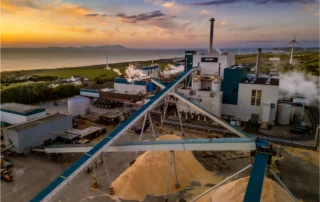
Holmen Workington increases sustainable power generation with HISS
Holmen Paper Mill in Workington, UK, identified an opportunity [...]

Interview with Hans Ladum-Poulsen, Heat Management’s newest representative
With many years of experience in the boiler and [...]
Harnessing Engineering Data for Continuous Industrial Boiler Optimization
November 17, 2025 /
Your industrial boiler is the beating heart of your operation. When it runs smoothly, production hums, and targets are met. But when it falters, the entire plant feels the pain—in lost output, wasted fuel, and brutal, unplanned downtime.
For too long, we’ve treated these critical assets like ticking clocks, relying on calendar-based guessing games for maintenance. This reactive approach is a recipe for hidden inefficiencies. It means you’re either cleaning too early, wasting precious steam, or cleaning too late, after performance-killing foul has already taken root. The game has changed, and the future of boiler management lies in a proactive, data-driven approach.
This isn’t theory; it’s a revolution in operational control. By harnessing real-time engineering data, plants can finally move from a reactive maintenance cycle to a model of continuous improvement in industrial boilers. This article will walk you through the practical, four-step cycle of using operational data to drive continuous optimization, transforming your boiler from a cost center into a powerhouse of efficiency and reliability.
The Foundation: Moving Beyond Manual Checks and Scheduled Cleaning
The traditional model of boiler maintenance is fundamentally broken. It’s built on assumptions, not reality. Relying on a calendar to dictate sootblowing schedules or manual inspections to spot trouble is like driving a car by only looking in the rearview mirror.
You’re always reacting to problems that have already occurred. By the time a manual check reveals severe fouling, your boiler has been bleeding efficiency for weeks, driving up fuel consumption. According to some industry analyses, poor maintenance practices can inflate a plant’s fuel bill by a staggering 5-10%, a hidden cost that eats directly into your bottom line. This old way leaves you vulnerable, constantly one step behind the next potential failure.
The data-driven advantage flips this script entirely. Instead of reacting, you begin to predict. By implementing a framework for leveraging predictive maintenance to reduce downtime, you gain a clear, continuous view of your boiler’s health. This is the core of modern operational optimization strategies, allowing engineers to make surgically precise decisions that prevent failures before they ever happen.
Step 1: Collecting the Right Engineering Data (The “What” and “How”)
In the age of IoT, the challenge isn’t a lack of data; it’s a flood of it. The key to effective optimization isn’t collecting more data—it’s collecting the right data. Focusing on a core set of high-impact variables is what separates actionable insight from overwhelming noise.
To build a true picture of boiler performance, engineers must monitor several critical data points. These are the vital signs of your system, telling a continuous story of its health and efficiency. Key variables include:
Thermal Data: Flue gas temperatures, steam temperatures, and feedwater temperatures.Pressure Data: Steam pressure, draft pressure, and differential pressures.Flow Data: Steam flow, fuel feed rate, and feedwater flow.Process-Specific Data: Emissions (NOx, SOx, CO) and acoustic signals.
This data is typically gathered through standard sensors, PLCs, and Distributed Control Systems (DCS). However, to achieve the next level of insight, you need to see what conventional systems miss. Advanced tools like Acospector™ Process Analytics provide a crucial layer of data acquisition, going beyond temperature and pressure to deliver real-time monitoring for predictive boiler maintenance. This technology provides real-time fluid analysis, enabling predictive insights into process stability and detecting invisible threats like black liquor carryover before they can cause catastrophic damage.
Step 2: Transforming Raw Data into Actionable Intelligence
A stream of raw numbers from your sensors is meaningless without context. The true power of data analytics in boiler systems is its ability to transform this raw data into clear, actionable intelligence. The goal is to cut through the noise and pinpoint the trends, patterns, and anomalies that signal an opportunity for optimization or an impending failure.
Several key analytical techniques are essential for this transformation. Trend analysis, for example, allows you to visualize performance over time; a steadily climbing flue gas exit temperature is a direct and undeniable indicator of fouling buildup on your heat exchangers. Anomaly detection acts as an immediate alarm, flagging sudden spikes in pressure that could signal a tube leak or the unique acoustic signature of a carryover event, as detailed in these strategies for early detection of boiler carryover.
This is where specialized systems prove their worth. Our Carryover Early Warning System is a prime example of turning data into decisive action. It doesn’t just log acoustic data; its patented system analyzes sound patterns in real-time to identify the unique signature of black liquor carryover. This provides an immediate, actionable alarm, giving operators the critical moments needed to prevent fouling that can force a complete shutdown. As experts at ABB note, this kind of structured data collection and analysis is what drives measurable efficiency gains.
Step 3: Implementing Data-Informed Optimization Strategies
With actionable intelligence in hand, you can finally move from insight to impact. This is where data informs tangible changes in your boiler’s operation, unlocking new levels of performance and efficiency. The strategies you implement are the direct result of the analysis you’ve conducted.
Intelligent Sootblowing and Fouling Management
One of the most powerful applications is intelligent cleaning. Instead of blowing steam on a fixed schedule, you can use data on heat transfer efficiency and pressure drops to determine the precise timing, location, and intensity needed for cleaning. This data-driven approach ensures you clean exactly what’s needed, when it’s needed, maximizing heat transfer efficiency with smart cleaning systems.
This is where Heat Management’s technologies execute on the promise of data. Our HISS® (High Impact Sootblowing System) acts as the intelligent execution arm, using data to optimize sootblowing sequences and deliver powerful, targeted cleaning while reducing steam consumption by up to 50%. For a preventative approach, our Infrasound Cleaning technology uses low-frequency sound waves to keep surfaces clean from the start, preventing the very fouling that data trends would otherwise detect and offering a comprehensive solution for industrial boilers.
Combustion and Emissions Control
Data also plays a critical role in optimizing the fire-side of your boiler. Real-time data on O₂, CO, and NOx levels from your flue gas can be fed into your control system to continuously fine-tune air-to-fuel ratios. As highlighted by Fuji Electric, using programmable controllers to regulate fuel and air flow ensures more complete combustion. This not only improves fuel efficiency but also directly reduces harmful emissions, helping you meet increasingly strict environmental regulations.
Conclusion: Closing the Loop for Long-Term Reliability and ESG Gains
The journey from raw data to optimized performance is not a one-time project; it is a continuous cycle. You must measure the impact of your implemented strategies against key performance indicators (KPIs), refine your approach based on the results, and repeat the process. This commitment to a closed-loop system is the cornerstone of long-term reliability and sustainability.
The measurable impact is profound and touches every aspect of your operation. Economically, you’ll see reduced fuel and steam consumption, lower maintenance costs, and a dramatic increase in production uptime. Operationally, you’ll benefit from enhanced equipment reliability, an extended boiler lifespan, and a safer plant environment. And from a sustainability perspective, you’ll achieve lower CO₂ and pollutant emissions, contributing directly to your corporate ESG goals and improving industrial boiler sustainability.
The era of reactive, assumption-based boiler management is over. By implementing intelligent systems, engineers can transform boiler management from a cost center into a strategic driver of efficiency, profitability, and sustainability. The tools and the data are here. It’s time to put them to work.
See how our data-driven HISS® and Carryover Detection systems helped a leading pulp mill reduce steam consumption by 30% and eliminate unplanned shutdowns. Explore Our Case Studies.
Latest news & articles
Meeting EU Emissions Standards Through Advanced Steam Sootblowing Technologies
The walls are closing in. For plant managers and engineers [...]
Holmen Workington increases sustainable power generation with HISS
Holmen Paper Mill in Workington, UK, identified an opportunity [...]
Interview with Hans Ladum-Poulsen, Heat Management’s newest representative
With many years of experience in the boiler and [...]