

Emerging Trends in Boiler Optimization: How IoT and Advanced Analytics are Reshaping Industrial Energy Management
November 10, 2025 /

The Challenge: The Inefficiencies of a Disconnected System
Why the urgent need for change? Because the traditional, disconnected approach is costing you more than you think. It’s a system that forces you to operate in the dark, reacting to problems instead of preventing them.
The most painful symptom is reactive maintenance. That dreaded 3 AM call about a shutdown doesn’t just disrupt sleep; it triggers a cascade of costly consequences, from lost production to emergency repair bills. According to industry analyses, unplanned downtime can cost large facilities upwards of $2 million per day, a staggering price for not knowing what’s about to fail.
This reactive mindset extends to routine operations like cleaning. Running sootblowing systems on a fixed schedule is like flying blind—you’re either wasting precious steam cleaning surfaces that are already clean or, worse, letting performance-killing deposits build up between cycles. Meanwhile, critical data from emissions monitors, control systems, and maintenance logs sits in isolated silos, making a holistic view of boiler health impossible. This forces your best engineers to spend their time wrestling with spreadsheets, trying to spot trends that are nearly invisible to the human eye.
The Solution: Building the Intelligent Boiler Ecosystem
The answer lies in creating a connected, intelligent ecosystem where data flows freely from the asset to the analyst, turning guesswork into certainty. This ecosystem is built on two powerful pillars: a robust sensor network and a brilliant analytical brain.
The Foundation: Industrial IoT for Boilers
First, you need to give your boiler a voice. The Industrial IoT for boilers is a network of interconnected sensors that act as the central nervous system for your operation, collecting real-time data on every critical parameter. Suddenly, you have eyes and ears on everything that matters.
These sensors capture a wealth of information. You get a constant stream of process data like temperature, pressure, and steam flow, alongside asset health data from vibration and acoustic sensors that can detect the earliest signs of mechanical stress. Efficiency data, such as flue gas composition and heat transfer rates, provides a second-by-second report card on your boiler’s performance, while specialized sensors can even provide real-time fluid analysis, a critical factor in complex processes.
This comprehensive data collection is the bedrock of modern optimization. As noted by leaders in industrial digitalization like Siemens, creating this connected environment is the first step toward breaking down data silos and enabling smarter, proactive decision-making.
The Brain: Advanced Boiler Analytics
Raw data, however, is just noise. The real magic happens when you apply the brain: advanced boiler analytics. These sophisticated platforms use machine learning (ML) and artificial intelligence (AI) to sift through millions of data points, identify hidden patterns, and transform that noise into clear, actionable insights.
This analytical power operates on several levels. It starts with descriptive and diagnostic analytics, which tell you “what happened and why,” visualizing a drop in heat transfer and correlating it to a recent change in fuel quality. The next level is predictive, answering “what is likely to happen,” by forecasting fouling buildup on specific heat surfaces or predicting a fan bearing failure weeks in advance.
The ultimate goal is prescriptive analytics, which tells you “what you should do.” This is where the system recommends the optimal time and sequence for a sootblowing cycle to maximize efficiency or suggests precise combustion adjustments to minimize emissions. As technology leaders like Honeywell have demonstrated, these AI-driven recommendations are what truly elevate boiler management from a reactive chore to a strategic advantage.
The Impact: Tangible Benefits of a Data-Driven Approach
Connecting your boiler and giving it an analytical brain isn’t just a technical exercise. It delivers powerful, measurable results that impact your bottom line, your operational stability, and your sustainability goals.
From Reactive to Predictive Maintenance
The most immediate impact is the shift from fixing what’s broken to preventing it from breaking in the first place. By analyzing real-time data from vibration, temperature, and acoustic sensors, predictive models can identify the subtle signs of impending equipment failure long before they become catastrophic.
This allows you to schedule maintenance on your terms, turning unplanned downtime into planned, efficient repairs. The result is a dramatic increase in uptime, a reduction in maintenance costs, and a safer working environment for your team. You can explore more about leveraging predictive maintenance to reduce downtime to see how these strategies are applied in the real world.
Dynamic Sootblowing and Fouling Management
Instead of relying on rigid, calendar-based cleaning, an intelligent system understands the precise condition of your heat transfer surfaces in real time. Analytics can model deposit buildup and pinpoint the exact moment when cleaning will deliver the maximum benefit, a core challenge in many industries. This is one of the most effective ways to overcome boiler fouling in pulp & paper mills.
This is where engineering and data intelligence meet. An intelligent system can trigger our HISS® (High Impact Sootblowing System) or Infrasound Cleaning exactly when and where it’s needed, using the minimum amount of cleaning energy to maintain peak boiler efficiency. Furthermore, data from our Carryover Early Warning System can serve as a critical input, allowing the system to proactively prevent severe fouling events before they even start.
Real-Time Process and Combustion Optimization
An intelligent boiler doesn’t just run; it continuously learns and adapts. Algorithms constantly analyze variables like fuel quality, load demands, and emissions to recommend or even automate micro-adjustments to combustion parameters, ensuring you’re always operating at peak efficiency.
Data from specialized tools like our Acospector™ Process Analytics provides real-time insights into fluid properties, such as black liquor solids content. This allows the system to make smarter, proactive adjustments to the combustion process itself. This leads directly to reduced fuel consumption, lower emissions of CO₂ and NOx, and more stable steam production, driving continuous improvement.
Enhanced Sustainability and ESG Compliance
In today’s world, performance isn’t just about profit; it’s about responsibility. The granular, verifiable data collected by an intelligent boiler ecosystem provides indisputable proof of energy savings and emissions reductions.
This data simplifies ESG reporting and demonstrates a tangible commitment to your company’s sustainability goals. It ensures you can confidently meet and exceed regulatory requirements, such as the EU’s Industrial Emissions Directive. By optimizing every aspect of your boiler’s operation, you are taking a concrete, measurable step toward a more sustainable future for your operations.
Heat Management: Where Engineering Precision Meets Data Intelligence
At Heat Management, we believe the most powerful analytics are built on a foundation of deep engineering expertise. We understand the physics of combustion, the thermodynamics of heat transfer, and the harsh realities of the industrial environment. Our systems are not just hardware; they are intelligent data sources designed to integrate seamlessly into the smart boiler ecosystem.
Our philosophy is simple: we provide the specialized tools and process knowledge that turn raw data into optimized boiler performance. We bridge the gap between the digital model and the physical reality of your boiler, ensuring that the insights generated by advanced analytics translate into real-world results. Our patented solutions, recognized by organizations like the Swedish Energy Agency for their cleantech potential, are a testament to this commitment.
We are the engineering intelligence that powers the data revolution. From our advanced sootblowing optimization systems to our real-time process analytics, we provide the critical link between knowing what to do and having the precision tools to do it.
Conclusion: The Future of Industrial Energy Management is Predictive
The shift is clear and irreversible. We are moving away from a world of reactive, manual boiler management and into an era of predictive, automated optimization. The powerful combination of Industrial IoT and advanced analytics is no longer a futuristic concept; it is a practical and accessible reality.
Adopting these technologies is no longer a choice but a competitive necessity for any industrial plant aiming for operational excellence and long-term sustainability. The ability to anticipate failures, optimize resources in real-time, and reduce environmental impact is the new benchmark for success.
The future lies in creating fully autonomous boiler systems that self-optimize for efficiency, reliability, and minimal environmental impact. The journey starts today, by embracing the data and building the intelligent ecosystem that will power the next generation of industry.
Latest news & articles

Meeting EU Emissions Standards Through Advanced Steam Sootblowing Technologies
The walls are closing in. For plant managers and engineers [...]
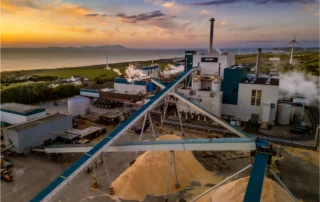
Holmen Workington increases sustainable power generation with HISS
Holmen Paper Mill in Workington, UK, identified an opportunity [...]

Interview with Hans Ladum-Poulsen, Heat Management’s newest representative
With many years of experience in the boiler and [...]
Emerging Trends in Boiler Optimization: How IoT and Advanced Analytics are Reshaping Industrial Energy Management
November 10, 2025 /
The Challenge: The Inefficiencies of a Disconnected System
Why the urgent need for change? Because the traditional, disconnected approach is costing you more than you think. It’s a system that forces you to operate in the dark, reacting to problems instead of preventing them.
The most painful symptom is reactive maintenance. That dreaded 3 AM call about a shutdown doesn’t just disrupt sleep; it triggers a cascade of costly consequences, from lost production to emergency repair bills. According to industry analyses, unplanned downtime can cost large facilities upwards of $2 million per day, a staggering price for not knowing what’s about to fail.
This reactive mindset extends to routine operations like cleaning. Running sootblowing systems on a fixed schedule is like flying blind—you’re either wasting precious steam cleaning surfaces that are already clean or, worse, letting performance-killing deposits build up between cycles. Meanwhile, critical data from emissions monitors, control systems, and maintenance logs sits in isolated silos, making a holistic view of boiler health impossible. This forces your best engineers to spend their time wrestling with spreadsheets, trying to spot trends that are nearly invisible to the human eye.
The Solution: Building the Intelligent Boiler Ecosystem
The answer lies in creating a connected, intelligent ecosystem where data flows freely from the asset to the analyst, turning guesswork into certainty. This ecosystem is built on two powerful pillars: a robust sensor network and a brilliant analytical brain.
The Foundation: Industrial IoT for Boilers
First, you need to give your boiler a voice. The Industrial IoT for boilers is a network of interconnected sensors that act as the central nervous system for your operation, collecting real-time data on every critical parameter. Suddenly, you have eyes and ears on everything that matters.
These sensors capture a wealth of information. You get a constant stream of process data like temperature, pressure, and steam flow, alongside asset health data from vibration and acoustic sensors that can detect the earliest signs of mechanical stress. Efficiency data, such as flue gas composition and heat transfer rates, provides a second-by-second report card on your boiler’s performance, while specialized sensors can even provide real-time fluid analysis, a critical factor in complex processes.
This comprehensive data collection is the bedrock of modern optimization. As noted by leaders in industrial digitalization like Siemens, creating this connected environment is the first step toward breaking down data silos and enabling smarter, proactive decision-making.
The Brain: Advanced Boiler Analytics
Raw data, however, is just noise. The real magic happens when you apply the brain: advanced boiler analytics. These sophisticated platforms use machine learning (ML) and artificial intelligence (AI) to sift through millions of data points, identify hidden patterns, and transform that noise into clear, actionable insights.
This analytical power operates on several levels. It starts with descriptive and diagnostic analytics, which tell you “what happened and why,” visualizing a drop in heat transfer and correlating it to a recent change in fuel quality. The next level is predictive, answering “what is likely to happen,” by forecasting fouling buildup on specific heat surfaces or predicting a fan bearing failure weeks in advance.
The ultimate goal is prescriptive analytics, which tells you “what you should do.” This is where the system recommends the optimal time and sequence for a sootblowing cycle to maximize efficiency or suggests precise combustion adjustments to minimize emissions. As technology leaders like Honeywell have demonstrated, these AI-driven recommendations are what truly elevate boiler management from a reactive chore to a strategic advantage.
The Impact: Tangible Benefits of a Data-Driven Approach
Connecting your boiler and giving it an analytical brain isn’t just a technical exercise. It delivers powerful, measurable results that impact your bottom line, your operational stability, and your sustainability goals.
From Reactive to Predictive Maintenance
The most immediate impact is the shift from fixing what’s broken to preventing it from breaking in the first place. By analyzing real-time data from vibration, temperature, and acoustic sensors, predictive models can identify the subtle signs of impending equipment failure long before they become catastrophic.
This allows you to schedule maintenance on your terms, turning unplanned downtime into planned, efficient repairs. The result is a dramatic increase in uptime, a reduction in maintenance costs, and a safer working environment for your team. You can explore more about leveraging predictive maintenance to reduce downtime to see how these strategies are applied in the real world.
Dynamic Sootblowing and Fouling Management
Instead of relying on rigid, calendar-based cleaning, an intelligent system understands the precise condition of your heat transfer surfaces in real time. Analytics can model deposit buildup and pinpoint the exact moment when cleaning will deliver the maximum benefit, a core challenge in many industries. This is one of the most effective ways to overcome boiler fouling in pulp & paper mills.
This is where engineering and data intelligence meet. An intelligent system can trigger our HISS® (High Impact Sootblowing System) or Infrasound Cleaning exactly when and where it’s needed, using the minimum amount of cleaning energy to maintain peak boiler efficiency. Furthermore, data from our Carryover Early Warning System can serve as a critical input, allowing the system to proactively prevent severe fouling events before they even start.
Real-Time Process and Combustion Optimization
An intelligent boiler doesn’t just run; it continuously learns and adapts. Algorithms constantly analyze variables like fuel quality, load demands, and emissions to recommend or even automate micro-adjustments to combustion parameters, ensuring you’re always operating at peak efficiency.
Data from specialized tools like our Acospector™ Process Analytics provides real-time insights into fluid properties, such as black liquor solids content. This allows the system to make smarter, proactive adjustments to the combustion process itself. This leads directly to reduced fuel consumption, lower emissions of CO₂ and NOx, and more stable steam production, driving continuous improvement.
Enhanced Sustainability and ESG Compliance
In today’s world, performance isn’t just about profit; it’s about responsibility. The granular, verifiable data collected by an intelligent boiler ecosystem provides indisputable proof of energy savings and emissions reductions.
This data simplifies ESG reporting and demonstrates a tangible commitment to your company’s sustainability goals. It ensures you can confidently meet and exceed regulatory requirements, such as the EU’s Industrial Emissions Directive. By optimizing every aspect of your boiler’s operation, you are taking a concrete, measurable step toward a more sustainable future for your operations.
Heat Management: Where Engineering Precision Meets Data Intelligence
At Heat Management, we believe the most powerful analytics are built on a foundation of deep engineering expertise. We understand the physics of combustion, the thermodynamics of heat transfer, and the harsh realities of the industrial environment. Our systems are not just hardware; they are intelligent data sources designed to integrate seamlessly into the smart boiler ecosystem.
Our philosophy is simple: we provide the specialized tools and process knowledge that turn raw data into optimized boiler performance. We bridge the gap between the digital model and the physical reality of your boiler, ensuring that the insights generated by advanced analytics translate into real-world results. Our patented solutions, recognized by organizations like the Swedish Energy Agency for their cleantech potential, are a testament to this commitment.
We are the engineering intelligence that powers the data revolution. From our advanced sootblowing optimization systems to our real-time process analytics, we provide the critical link between knowing what to do and having the precision tools to do it.
Conclusion: The Future of Industrial Energy Management is Predictive
The shift is clear and irreversible. We are moving away from a world of reactive, manual boiler management and into an era of predictive, automated optimization. The powerful combination of Industrial IoT and advanced analytics is no longer a futuristic concept; it is a practical and accessible reality.
Adopting these technologies is no longer a choice but a competitive necessity for any industrial plant aiming for operational excellence and long-term sustainability. The ability to anticipate failures, optimize resources in real-time, and reduce environmental impact is the new benchmark for success.
The future lies in creating fully autonomous boiler systems that self-optimize for efficiency, reliability, and minimal environmental impact. The journey starts today, by embracing the data and building the intelligent ecosystem that will power the next generation of industry.
Latest news & articles
Meeting EU Emissions Standards Through Advanced Steam Sootblowing Technologies
The walls are closing in. For plant managers and engineers [...]
Holmen Workington increases sustainable power generation with HISS
Holmen Paper Mill in Workington, UK, identified an opportunity [...]
Interview with Hans Ladum-Poulsen, Heat Management’s newest representative
With many years of experience in the boiler and [...]