
Achieving EU Emissions Compliance with Advanced Boiler Optimization Techniques
January 16, 2026 /

The clock is ticking. For plant managers and engineers across Europe, a shadow looms—the ever-tightening grip of the EU’s Industrial Emissions Directive (IED). Non-compliance isn’t just a risk on a spreadsheet; it’s a direct threat to your operational license and your plant’s very survival.
Many see this challenge and immediately think of expensive, “end-of-pipe” solutions like scrubbers or massive filter installations. These are the brute-force answers, treating the symptoms while ignoring the disease. The real culprit, the hidden source of your emissions headache, is often the heart of your operation: a boiler struggling with suboptimal performance, inefficient combustion, and the relentless buildup of fouling.
But what if you could solve the problem at its source? This is not about simply filtering exhaust gases. It’s about fundamentally re-engineering your combustion process through advanced boiler optimization, transforming compliance from a costly burden into a powerful competitive advantage.
The Regulatory Landscape: What EU Standards Mean for Your Boiler
Let’s be clear about what you’re up against. The regulatory pressure isn’t abstract; it’s specific, and it’s legally binding. The framework is designed to push industries toward cleaner, more efficient production.
The Industrial Emissions Directive (IED) is the EU’s primary instrument for regulating pollutants from industrial installations. Its goal is simple: to achieve a high level of protection for human health and the environment by preventing or, where that is not practicable, reducing pollution. According to the European Environment Agency, industry is responsible for a considerable share of total emissions of key air pollutants and greenhouse gases.
The technical teeth of the IED come from the Best Available Techniques (BAT) Reference Documents, or BREFs. These documents define the gold standard for performance and set the emission limit values (ELVs) in your operating permits. The key takeaway is that “Best Available” inherently favors proactive, efficient technologies over reactive, costly ones, making optimized boiler cleaning a cornerstone of modern compliance. The primary pollutants in the crosshairs for industrial boilers are Nitrogen Oxides (NOx), Sulphur Oxides (SOx), Carbon Monoxide (CO), and Particulate Matter (Dust).
The Direct Link: How Boiler Fouling Drives Emissions Up
You can’t solve a problem you don’t fully understand. The direct line between a dirty boiler and a non-compliant emissions report is a vicious cycle of inefficiency, and it starts silently.
It begins with soot and ash deposits, known as fouling, building up on your boiler’s heat transfer surfaces. This layer acts like a thick, unwanted blanket, insulating the tubes and preventing them from absorbing heat effectively. To maintain the required steam temperature and pressure for your process, operators have no choice but to increase the firing rate, burning more fuel than should be necessary.
This forced over-firing has dangerous consequences. Inefficient heat transfer leads to higher flue gas exit temperatures, a condition that significantly promotes the formation of thermal NOx. Furthermore, the physical deposits disrupt airflow and create poor heat distribution, leading to pockets of incomplete combustion that generate higher levels of toxic Carbon Monoxide (CO). Even a thin layer of soot, just 1mm thick, can reduce heat transfer efficiency by several percentage points, forcing a direct and costly increase in fuel consumption.
The Solution: Advanced Boiler Optimization for Emissions Reduction
Fighting this cycle requires moving beyond outdated, reactive cleaning methods. It demands a smarter, data-driven approach that optimizes the combustion process itself. This is where advanced techniques transform boiler performance and secure your compliance.
Technique 1: Intelligent, High-Impact Sootblowing
The old way of cleaning is broken. Traditional, timer-based sootblowing operates blind, blasting valuable steam whether a section is clean or dirty. This approach is not only wasteful but often ineffective, leaving behind the very deposits that drive up your emissions.
The solution is a High Impact Sootblowing System (HISS®) that acts with intelligence and precision. By using real-time data to understand the boiler’s condition, it targets cleaning only where and when it’s needed most. A step-by-step guide to HISS® implementation shows how optimizing nozzle design and steam parameters removes stubborn deposits far more effectively while using dramatically less steam.
The impact on emissions is immediate and profound. By maintaining peak heat transfer efficiency, the boiler operates in a stable, optimized state. This ensures complete combustion, reduces the need for excess fuel, and directly lowers the formation of NOx, CO, and overall CO₂ emissions.
Technique 2: Proactive Fouling Prevention with Infrasound
But what about the areas steam can’t effectively reach? Certain sections of a boiler, like the economizer or air preheater, are prone to chronic buildup of fine particles that traditional sootblowers struggle to remove. This is where a proactive strategy becomes essential.
Infrasound cleaning technology offers a revolutionary alternative. Instead of reacting to buildup, it prevents it from forming in the first place. Low-frequency acoustic waves generate subtle vibrations throughout the boiler structure, keeping fine particles fluidized and preventing them from sintering together to form hard, insulating deposits.
This constant, gentle cleaning ensures consistent heat absorption and maintains stable boiler conditions day in and day out. It eliminates the dangerous emission spikes associated with heavy fouling and the subsequent aggressive, reactive cleaning cycles. This proactive approach is a foundational element of any truly sustainable boiler operation.
Technique 3: Real-Time Process Analytics and Control
You cannot control what you cannot measure. Operators often fly blind, lacking the real-time data needed to foresee and prevent process upsets—like black liquor carryover in recovery boilers—that can trigger a major, non-compliant emission event.
This is where real-time monitoring and early warning systems provide an unbreakable line of defense. Systems like Acospector™ offer a continuous, real-time analysis of flue gas composition, detecting process anomalies long before they become critical problems. This provides operators with actionable insights to make immediate adjustments.
The emissions impact is about prevention, not reaction. This technology enables predictive maintenance and immediate process corrections, stopping non-compliant events before they ever occur. It also generates a clear, auditable data trail, providing regulators with concrete proof of your commitment to process control and environmental stewardship, as detailed in discussions on real-time fluid analysis for emission control.
The Broader Impact: Achieving ESG Goals and Operational Excellence
This isn’t just about avoiding fines from regulators. Adopting these advanced optimization techniques creates a ripple effect of benefits that touch every part of your operation, satisfying stakeholders from the boiler room to the boardroom.
Achieving compliance through efficiency means you are fundamentally burning less fuel. This translates directly into a measurable reduction in your CO₂ footprint, a critical metric for any serious corporate sustainability program. The data generated by these intelligent systems provides the tangible, verifiable proof needed for powerful and credible ESG reporting.
The financial case is just as compelling. The dramatic reduction in steam consumption for cleaning, lower fuel bills, and the avoidance of non-compliance penalties deliver a powerful return on investment. A clean, efficient boiler is also a reliable one, leading to increased uptime, predictable output, and an extended operational lifespan for your critical assets.
Conclusion: Transforming Compliance from a Cost to a Catalyst
Meeting stringent EU emissions standards is no longer an “end-of-pipe” problem to be solved with bigger filters or more chemicals. The most intelligent, cost-effective, and sustainable path forward is to optimize the combustion process at its very core. Stop treating the symptoms and start curing the disease.
By embracing advanced boiler optimization, you shift from a reactive posture of defense to a proactive strategy of excellence. These technologies empower your plant to move beyond the fear of non-compliance and use regulatory pressure as a catalyst. It becomes the driving force for achieving greater efficiency, higher profitability, and a secure, sustainable future.
See the data for yourself. Explore our real-world success stories on how industrial plants reduced emissions and improved their bottom line using these advanced boiler technologies.
Latest news & articles

Meeting EU Emissions Standards Through Advanced Steam Sootblowing Technologies
The walls are closing in. For plant managers and engineers [...]
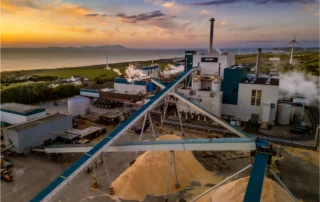
Holmen Workington increases sustainable power generation with HISS
Holmen Paper Mill in Workington, UK, identified an opportunity [...]

Interview with Hans Ladum-Poulsen, Heat Management’s newest representative
With many years of experience in the boiler and [...]
Achieving EU Emissions Compliance with Advanced Boiler Optimization Techniques
January 16, 2026 /
The clock is ticking. For plant managers and engineers across Europe, a shadow looms—the ever-tightening grip of the EU’s Industrial Emissions Directive (IED). Non-compliance isn’t just a risk on a spreadsheet; it’s a direct threat to your operational license and your plant’s very survival.
Many see this challenge and immediately think of expensive, “end-of-pipe” solutions like scrubbers or massive filter installations. These are the brute-force answers, treating the symptoms while ignoring the disease. The real culprit, the hidden source of your emissions headache, is often the heart of your operation: a boiler struggling with suboptimal performance, inefficient combustion, and the relentless buildup of fouling.
But what if you could solve the problem at its source? This is not about simply filtering exhaust gases. It’s about fundamentally re-engineering your combustion process through advanced boiler optimization, transforming compliance from a costly burden into a powerful competitive advantage.
The Regulatory Landscape: What EU Standards Mean for Your Boiler
Let’s be clear about what you’re up against. The regulatory pressure isn’t abstract; it’s specific, and it’s legally binding. The framework is designed to push industries toward cleaner, more efficient production.
The Industrial Emissions Directive (IED) is the EU’s primary instrument for regulating pollutants from industrial installations. Its goal is simple: to achieve a high level of protection for human health and the environment by preventing or, where that is not practicable, reducing pollution. According to the European Environment Agency, industry is responsible for a considerable share of total emissions of key air pollutants and greenhouse gases.
The technical teeth of the IED come from the Best Available Techniques (BAT) Reference Documents, or BREFs. These documents define the gold standard for performance and set the emission limit values (ELVs) in your operating permits. The key takeaway is that “Best Available” inherently favors proactive, efficient technologies over reactive, costly ones, making optimized boiler cleaning a cornerstone of modern compliance. The primary pollutants in the crosshairs for industrial boilers are Nitrogen Oxides (NOx), Sulphur Oxides (SOx), Carbon Monoxide (CO), and Particulate Matter (Dust).
The Direct Link: How Boiler Fouling Drives Emissions Up
You can’t solve a problem you don’t fully understand. The direct line between a dirty boiler and a non-compliant emissions report is a vicious cycle of inefficiency, and it starts silently.
It begins with soot and ash deposits, known as fouling, building up on your boiler’s heat transfer surfaces. This layer acts like a thick, unwanted blanket, insulating the tubes and preventing them from absorbing heat effectively. To maintain the required steam temperature and pressure for your process, operators have no choice but to increase the firing rate, burning more fuel than should be necessary.
This forced over-firing has dangerous consequences. Inefficient heat transfer leads to higher flue gas exit temperatures, a condition that significantly promotes the formation of thermal NOx. Furthermore, the physical deposits disrupt airflow and create poor heat distribution, leading to pockets of incomplete combustion that generate higher levels of toxic Carbon Monoxide (CO). Even a thin layer of soot, just 1mm thick, can reduce heat transfer efficiency by several percentage points, forcing a direct and costly increase in fuel consumption.
The Solution: Advanced Boiler Optimization for Emissions Reduction
Fighting this cycle requires moving beyond outdated, reactive cleaning methods. It demands a smarter, data-driven approach that optimizes the combustion process itself. This is where advanced techniques transform boiler performance and secure your compliance.
Technique 1: Intelligent, High-Impact Sootblowing
The old way of cleaning is broken. Traditional, timer-based sootblowing operates blind, blasting valuable steam whether a section is clean or dirty. This approach is not only wasteful but often ineffective, leaving behind the very deposits that drive up your emissions.
The solution is a High Impact Sootblowing System (HISS®) that acts with intelligence and precision. By using real-time data to understand the boiler’s condition, it targets cleaning only where and when it’s needed most. A step-by-step guide to HISS® implementation shows how optimizing nozzle design and steam parameters removes stubborn deposits far more effectively while using dramatically less steam.
The impact on emissions is immediate and profound. By maintaining peak heat transfer efficiency, the boiler operates in a stable, optimized state. This ensures complete combustion, reduces the need for excess fuel, and directly lowers the formation of NOx, CO, and overall CO₂ emissions.
Technique 2: Proactive Fouling Prevention with Infrasound
But what about the areas steam can’t effectively reach? Certain sections of a boiler, like the economizer or air preheater, are prone to chronic buildup of fine particles that traditional sootblowers struggle to remove. This is where a proactive strategy becomes essential.
Infrasound cleaning technology offers a revolutionary alternative. Instead of reacting to buildup, it prevents it from forming in the first place. Low-frequency acoustic waves generate subtle vibrations throughout the boiler structure, keeping fine particles fluidized and preventing them from sintering together to form hard, insulating deposits.
This constant, gentle cleaning ensures consistent heat absorption and maintains stable boiler conditions day in and day out. It eliminates the dangerous emission spikes associated with heavy fouling and the subsequent aggressive, reactive cleaning cycles. This proactive approach is a foundational element of any truly sustainable boiler operation.
Technique 3: Real-Time Process Analytics and Control
You cannot control what you cannot measure. Operators often fly blind, lacking the real-time data needed to foresee and prevent process upsets—like black liquor carryover in recovery boilers—that can trigger a major, non-compliant emission event.
This is where real-time monitoring and early warning systems provide an unbreakable line of defense. Systems like Acospector™ offer a continuous, real-time analysis of flue gas composition, detecting process anomalies long before they become critical problems. This provides operators with actionable insights to make immediate adjustments.
The emissions impact is about prevention, not reaction. This technology enables predictive maintenance and immediate process corrections, stopping non-compliant events before they ever occur. It also generates a clear, auditable data trail, providing regulators with concrete proof of your commitment to process control and environmental stewardship, as detailed in discussions on real-time fluid analysis for emission control.
The Broader Impact: Achieving ESG Goals and Operational Excellence
This isn’t just about avoiding fines from regulators. Adopting these advanced optimization techniques creates a ripple effect of benefits that touch every part of your operation, satisfying stakeholders from the boiler room to the boardroom.
Achieving compliance through efficiency means you are fundamentally burning less fuel. This translates directly into a measurable reduction in your CO₂ footprint, a critical metric for any serious corporate sustainability program. The data generated by these intelligent systems provides the tangible, verifiable proof needed for powerful and credible ESG reporting.
The financial case is just as compelling. The dramatic reduction in steam consumption for cleaning, lower fuel bills, and the avoidance of non-compliance penalties deliver a powerful return on investment. A clean, efficient boiler is also a reliable one, leading to increased uptime, predictable output, and an extended operational lifespan for your critical assets.
Conclusion: Transforming Compliance from a Cost to a Catalyst
Meeting stringent EU emissions standards is no longer an “end-of-pipe” problem to be solved with bigger filters or more chemicals. The most intelligent, cost-effective, and sustainable path forward is to optimize the combustion process at its very core. Stop treating the symptoms and start curing the disease.
By embracing advanced boiler optimization, you shift from a reactive posture of defense to a proactive strategy of excellence. These technologies empower your plant to move beyond the fear of non-compliance and use regulatory pressure as a catalyst. It becomes the driving force for achieving greater efficiency, higher profitability, and a secure, sustainable future.
See the data for yourself. Explore our real-world success stories on how industrial plants reduced emissions and improved their bottom line using these advanced boiler technologies.
Latest news & articles
Meeting EU Emissions Standards Through Advanced Steam Sootblowing Technologies
The walls are closing in. For plant managers and engineers [...]
Holmen Workington increases sustainable power generation with HISS
Holmen Paper Mill in Workington, UK, identified an opportunity [...]
Interview with Hans Ladum-Poulsen, Heat Management’s newest representative
With many years of experience in the boiler and [...]