

Bridging Data and Engineering: Achieving Operational Reliability with Advanced Boiler Analytics
May 27, 2026 /
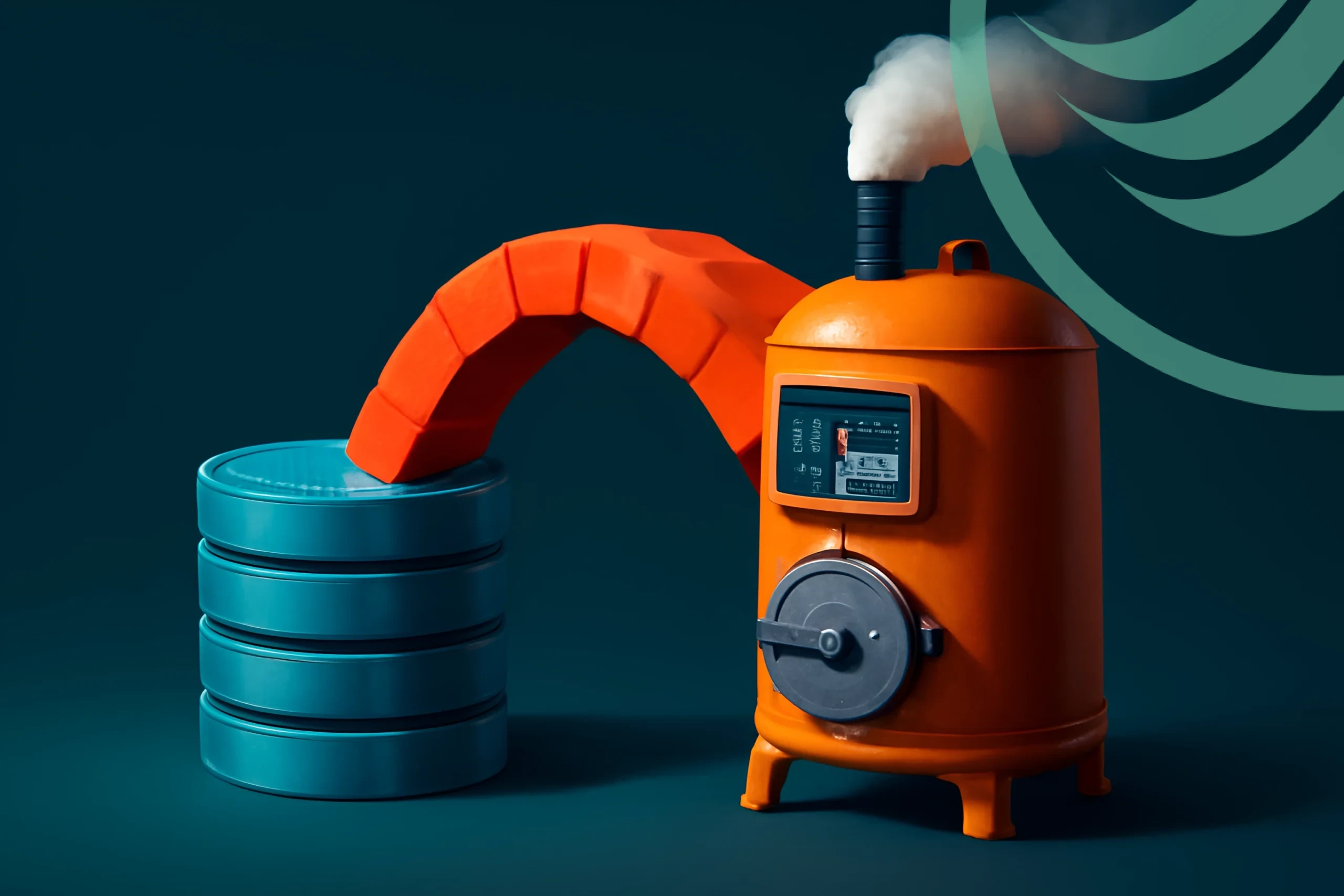
Your industrial boiler generates a constant stream of data, a relentless whisper of temperatures, pressures, and flow rates. But are you truly listening? For many engineers and plant managers, this flood of information creates a frustrating paradox: you are data-rich, yet insight-poor, standing on opposite sides of a vast canyon separating raw numbers from confident, proactive decisions.
This disconnect between operational data—the “what”—and engineering intelligence—the “why” and “what’s next”—is where reliability falters. Traditional, schedule-based maintenance is a reactive strategy, a costly response to problems that have already taken root. The gap between a sensor alert and a decisive action is often filled with inefficiency, guesswork, and the ever-present risk of unplanned downtime.
This article explores how advanced boiler analytics for operational reliability build a powerful bridge across that canyon. We will show you how integrating real-time monitoring with predictive models empowers your engineering team to move beyond reactive fixes. It’s time to embrace a data-driven strategy that secures boiler performance, extends asset lifespan, and protects your bottom line.
The High Cost of Disconnected Engineering Data Integration
Why does this gap between data and action persist? The problem lies in disconnected systems and a lack of context. Your Distributed Control System (DCS), lab reports, and sensor readings all provide valuable pieces of the puzzle, but they rarely show you the full picture of how critical process parameters truly interact.
This data overload without context leaves your team navigating with a flawed map. You see a change in flue gas temperature, but you can’t immediately correlate it to a subtle shift in fluid composition that signals the onset of fouling. This forces you to rely on lagging indicators—alarms that only sound once a threshold has been breached and a problem is already underway, a situation that can be avoided by integrating process analytics with boiler systems.
The result is an inefficient cycle of reactive maintenance, where unplanned downtime and emergency repairs inflict crippling costs and operational disruptions. Furthermore, without a holistic view, subtle inefficiencies in combustion, heat transfer, or sootblowing go completely unnoticed. According to industry data, these missed opportunities can silently erode thermal efficiency by 1-3%, accumulating into significant energy and financial losses over time, as detailed in our analysis of data-driven sootblowing methods.
From Real-Time Boiler Monitoring to Predictive Maintenance
The solution is to build a bridge of intelligence, transforming your approach from simple monitoring to predictive, actionable analytics. This shift allows you to stop reacting to the past and start controlling the future of your boiler’s health. It’s the core principle behind a modern, high-reliability plant.
What Are Advanced Boiler Analytics?
In the context of your boiler, advanced analytics is the application of sophisticated statistical models and machine learning to continuous data streams. It’s a system designed to identify hidden patterns, predict potential failures, and recommend precise optimizations before they impact production. This is the fundamental difference between monitoring, which tells you what is happening now, and analytics, which interprets that data to forecast what will happen next, a key component of predictive maintenance with real-time process analytics.
This technology moves your team from a defensive posture to an offensive one. Instead of waiting for an alarm to signal a critical failure, you receive leading indicators that predict future issues like fouling, corrosion, or process upsets. This foresight gives you the power to intervene strategically, turning maintenance from a costly necessity into a competitive advantage.
The Power of a Unified Data Model
The magic happens when a central analytics platform integrates these disparate data sources into a single, coherent view of boiler health. This unified model provides the context that has been missing, revealing the complex cause-and-effect relationships between different operational variables. It’s here that Heat Management’s technology provides a decisive edge.
Our Acospector™ process analytics tool acts as a stethoscope for your boiler, using non-intrusive acoustic analysis to capture the real-time dynamics of critical fluid and gas streams. This adds a crucial layer of insight that traditional sensors simply cannot provide. By delivering a continuous, real-time understanding of fluid properties, Acospector™ provides the data to forecast issues long before they escalate, forming the bedrock of a truly predictive maintenance strategy.
Applying Process Analytics for Industrial Reliability: A Practical Look
Theory is one thing, but how does this work on the plant floor? Advanced analytics create a closed-loop system where data directly informs engineering action, driving tangible improvements in performance and reliability. Let’s look at two common, high-stakes challenges.
Predictive Fouling Management
Fouling is a silent thief, gradually building up on heat transfer surfaces and robbing your boiler of its efficiency. Traditional sootblowing operates on a fixed schedule, a brute-force approach that is often wasteful or insufficient, cleaning too often or not enough. This is where data-driven intelligence changes the game.
An analytics platform like Acospector™ continuously analyzes key indicators like flue gas temperatures, steam production, and real-time fluid properties to accurately predict the rate of fouling accumulation. It creates a dynamic “fouling map” of your boiler, identifying exactly where and when cleaning is needed. This insight allows the system to trigger the HISS® (High Impact Sootblowing System) with surgical precision, using the optimal amount of steam only when necessary to maintain peak heat transfer efficiency, a process further explained in our guide to data-driven boiler cleaning methods.
Early Warning for Process Upsets (Carryover)
In a recovery boiler, a black liquor carryover event is a plant manager’s nightmare, capable of causing severe fouling, dangerous safety risks, and immediate, costly shutdowns. Traditional systems often detect the problem far too late, once the damage has begun. This is a classic example of where a lagging indicator fails catastrophically.
Advanced analytics offer a powerful shield against this threat. By providing a real-time analysis of the boiler’s fluid composition, the system can detect the subtle chemical precursors to a carryover event long before it becomes critical. This capability is central to our Carryover Early Warning System, which provides engineers with an early alert, giving them the crucial time needed to adjust process parameters and prevent a shutdown.
The Tangible Returns of Data-Driven Boiler Reliability
What does this shift toward intelligent, integrated operations mean for your bottom line? The impact is not theoretical; it is measured in increased uptime, enhanced efficiency, and a stronger, more resilient operation. The return on investment is clear, direct, and substantial.
First and foremost, you gain control over your production schedule. By transitioning to a strategy of predictive boiler maintenance, plants can reduce unplanned shutdowns by a staggering 15-30%. This reclaimed production time translates directly into revenue and operational stability, a core benefit detailed in our strategies for reducing operational downtime.
But reliability is only half the story. Continuous optimization of combustion and cleaning cycles can improve thermal efficiency by 1-3%, leading to significant fuel savings year after year. Plants using data-driven sootblowing have documented up to a 50% reduction in steam consumption, freeing up that steam for power generation or other processes. This is how you turn a maintenance budget into a profit center.
Finally, this proactive approach protects your most critical assets. By proactively managing stressors like corrosion and thermal shock, you can significantly extend the lifespan of your boiler and its components. This data-driven precision also improves your ESG performance, as higher efficiency directly translates to lower CO₂ emissions per unit of output, helping you meet and exceed sustainability goals.
The Future is an Intelligent, Integrated Boiler System
The path to next-level operational reliability is clear. It is not paved with more data, but with the intelligent systems that bridge that data with your engineering expertise. Advanced analytics platforms are the essential tool for this integration, transforming your boiler from a collection of isolated parts into a cohesive, intelligent, and predictable system.
The future is a boiler that practically runs itself—a self-optimizing system that continuously adapts to changing fuel types, load demands, and internal conditions to maintain peak performance and reliability. This vision is no longer science fiction; it is the logical next step in the evolution of industrial engineering, driven by the emerging trends in IoT and advanced analytics.
Heat Management is your partner on this journey. We provide not only the world-class engineering hardware but also the data intelligence required to unlock its full potential. We help you build the bridge from data to decision, ensuring your operations are not just reliable, but resilient.
Latest news & articles

Meeting EU Emissions Standards Through Advanced Steam Sootblowing Technologies
The walls are closing in. For plant managers and engineers [...]
Holmen Workington increases sustainable power generation with HISS
Holmen Paper Mill in Workington, UK, identified an opportunity [...]

Interview with Hans Ladum-Poulsen, Heat Management’s newest representative
With many years of experience in the boiler and [...]
Bridging Data and Engineering: Achieving Operational Reliability with Advanced Boiler Analytics
May 27, 2026 /
Your industrial boiler generates a constant stream of data, a relentless whisper of temperatures, pressures, and flow rates. But are you truly listening? For many engineers and plant managers, this flood of information creates a frustrating paradox: you are data-rich, yet insight-poor, standing on opposite sides of a vast canyon separating raw numbers from confident, proactive decisions.
This disconnect between operational data—the “what”—and engineering intelligence—the “why” and “what’s next”—is where reliability falters. Traditional, schedule-based maintenance is a reactive strategy, a costly response to problems that have already taken root. The gap between a sensor alert and a decisive action is often filled with inefficiency, guesswork, and the ever-present risk of unplanned downtime.
This article explores how advanced boiler analytics for operational reliability build a powerful bridge across that canyon. We will show you how integrating real-time monitoring with predictive models empowers your engineering team to move beyond reactive fixes. It’s time to embrace a data-driven strategy that secures boiler performance, extends asset lifespan, and protects your bottom line.
The High Cost of Disconnected Engineering Data Integration
Why does this gap between data and action persist? The problem lies in disconnected systems and a lack of context. Your Distributed Control System (DCS), lab reports, and sensor readings all provide valuable pieces of the puzzle, but they rarely show you the full picture of how critical process parameters truly interact.
This data overload without context leaves your team navigating with a flawed map. You see a change in flue gas temperature, but you can’t immediately correlate it to a subtle shift in fluid composition that signals the onset of fouling. This forces you to rely on lagging indicators—alarms that only sound once a threshold has been breached and a problem is already underway, a situation that can be avoided by integrating process analytics with boiler systems.
The result is an inefficient cycle of reactive maintenance, where unplanned downtime and emergency repairs inflict crippling costs and operational disruptions. Furthermore, without a holistic view, subtle inefficiencies in combustion, heat transfer, or sootblowing go completely unnoticed. According to industry data, these missed opportunities can silently erode thermal efficiency by 1-3%, accumulating into significant energy and financial losses over time, as detailed in our analysis of data-driven sootblowing methods.
From Real-Time Boiler Monitoring to Predictive Maintenance
The solution is to build a bridge of intelligence, transforming your approach from simple monitoring to predictive, actionable analytics. This shift allows you to stop reacting to the past and start controlling the future of your boiler’s health. It’s the core principle behind a modern, high-reliability plant.
What Are Advanced Boiler Analytics?
In the context of your boiler, advanced analytics is the application of sophisticated statistical models and machine learning to continuous data streams. It’s a system designed to identify hidden patterns, predict potential failures, and recommend precise optimizations before they impact production. This is the fundamental difference between monitoring, which tells you what is happening now, and analytics, which interprets that data to forecast what will happen next, a key component of predictive maintenance with real-time process analytics.
This technology moves your team from a defensive posture to an offensive one. Instead of waiting for an alarm to signal a critical failure, you receive leading indicators that predict future issues like fouling, corrosion, or process upsets. This foresight gives you the power to intervene strategically, turning maintenance from a costly necessity into a competitive advantage.
The Power of a Unified Data Model
The magic happens when a central analytics platform integrates these disparate data sources into a single, coherent view of boiler health. This unified model provides the context that has been missing, revealing the complex cause-and-effect relationships between different operational variables. It’s here that Heat Management’s technology provides a decisive edge.
Our Acospector™ process analytics tool acts as a stethoscope for your boiler, using non-intrusive acoustic analysis to capture the real-time dynamics of critical fluid and gas streams. This adds a crucial layer of insight that traditional sensors simply cannot provide. By delivering a continuous, real-time understanding of fluid properties, Acospector™ provides the data to forecast issues long before they escalate, forming the bedrock of a truly predictive maintenance strategy.
Applying Process Analytics for Industrial Reliability: A Practical Look
Theory is one thing, but how does this work on the plant floor? Advanced analytics create a closed-loop system where data directly informs engineering action, driving tangible improvements in performance and reliability. Let’s look at two common, high-stakes challenges.
Predictive Fouling Management
Fouling is a silent thief, gradually building up on heat transfer surfaces and robbing your boiler of its efficiency. Traditional sootblowing operates on a fixed schedule, a brute-force approach that is often wasteful or insufficient, cleaning too often or not enough. This is where data-driven intelligence changes the game.
An analytics platform like Acospector™ continuously analyzes key indicators like flue gas temperatures, steam production, and real-time fluid properties to accurately predict the rate of fouling accumulation. It creates a dynamic “fouling map” of your boiler, identifying exactly where and when cleaning is needed. This insight allows the system to trigger the HISS® (High Impact Sootblowing System) with surgical precision, using the optimal amount of steam only when necessary to maintain peak heat transfer efficiency, a process further explained in our guide to data-driven boiler cleaning methods.
Early Warning for Process Upsets (Carryover)
In a recovery boiler, a black liquor carryover event is a plant manager’s nightmare, capable of causing severe fouling, dangerous safety risks, and immediate, costly shutdowns. Traditional systems often detect the problem far too late, once the damage has begun. This is a classic example of where a lagging indicator fails catastrophically.
Advanced analytics offer a powerful shield against this threat. By providing a real-time analysis of the boiler’s fluid composition, the system can detect the subtle chemical precursors to a carryover event long before it becomes critical. This capability is central to our Carryover Early Warning System, which provides engineers with an early alert, giving them the crucial time needed to adjust process parameters and prevent a shutdown.
The Tangible Returns of Data-Driven Boiler Reliability
What does this shift toward intelligent, integrated operations mean for your bottom line? The impact is not theoretical; it is measured in increased uptime, enhanced efficiency, and a stronger, more resilient operation. The return on investment is clear, direct, and substantial.
First and foremost, you gain control over your production schedule. By transitioning to a strategy of predictive boiler maintenance, plants can reduce unplanned shutdowns by a staggering 15-30%. This reclaimed production time translates directly into revenue and operational stability, a core benefit detailed in our strategies for reducing operational downtime.
But reliability is only half the story. Continuous optimization of combustion and cleaning cycles can improve thermal efficiency by 1-3%, leading to significant fuel savings year after year. Plants using data-driven sootblowing have documented up to a 50% reduction in steam consumption, freeing up that steam for power generation or other processes. This is how you turn a maintenance budget into a profit center.
Finally, this proactive approach protects your most critical assets. By proactively managing stressors like corrosion and thermal shock, you can significantly extend the lifespan of your boiler and its components. This data-driven precision also improves your ESG performance, as higher efficiency directly translates to lower CO₂ emissions per unit of output, helping you meet and exceed sustainability goals.
The Future is an Intelligent, Integrated Boiler System
The path to next-level operational reliability is clear. It is not paved with more data, but with the intelligent systems that bridge that data with your engineering expertise. Advanced analytics platforms are the essential tool for this integration, transforming your boiler from a collection of isolated parts into a cohesive, intelligent, and predictable system.
The future is a boiler that practically runs itself—a self-optimizing system that continuously adapts to changing fuel types, load demands, and internal conditions to maintain peak performance and reliability. This vision is no longer science fiction; it is the logical next step in the evolution of industrial engineering, driven by the emerging trends in IoT and advanced analytics.
Heat Management is your partner on this journey. We provide not only the world-class engineering hardware but also the data intelligence required to unlock its full potential. We help you build the bridge from data to decision, ensuring your operations are not just reliable, but resilient.
Latest news & articles
Meeting EU Emissions Standards Through Advanced Steam Sootblowing Technologies
The walls are closing in. For plant managers and engineers [...]
Holmen Workington increases sustainable power generation with HISS
Holmen Paper Mill in Workington, UK, identified an opportunity [...]
Interview with Hans Ladum-Poulsen, Heat Management’s newest representative
With many years of experience in the boiler and [...]