

Predictive Maintenance with Real-Time Process Analytics for Industrial Boilers
January 20, 2026 /

The plant floor is silent. That’s the sound that wakes you up at night—the sudden, deafening quiet when a critical boiler shuts down without warning. Every silent minute is a cascade of lost production, spiraling costs, and a knot of dread tightening in your stomach.
You’ve followed the maintenance schedule to the letter. You’ve replaced parts on time, every time. Yet, here you are again, reacting to a failure that blindsided you, a failure that the calendar couldn’t predict and your budget can’t afford.
This isn’t just about equipment; it’s about control. It’s about the security of knowing your operations are stable and the power to act before disaster strikes. The old ways of waiting for a breakdown or guessing with a schedule are leaving you vulnerable. It’s time to stop reacting and start predicting, using real-time process analytics to see the future of your boiler’s health.
Why Reactive and Preventive Maintenance Fall Short in Modern Industrial Plants
The traditional playbook for boiler maintenance is fundamentally broken. It forces you into one of two losing positions: either you’re a firefighter or you’re a gambler. Neither is a strategy for winning in a competitive industrial landscape.
The vicious cycle of reactive maintenance is a familiar nightmare. An unexpected failure triggers a frantic scramble, leading to costly emergency repairs, overtime pay, and immense production losses. According to the U.S. Department of Energy, this reactive approach is a major drain, as well-implemented predictive maintenance programs can eliminate 70–75% of breakdowns. This constant firefighting not only destroys budgets but also elevates safety risks for the personnel rushing to fix a critical failure under pressure.
Preventive, time-based maintenance feels more proactive, but it’s often just as inefficient. You’re spending precious time and resources replacing components that may have months or even years of healthy life left in them. Worse, this rigid schedule offers a false sense of security, completely missing the subtle, early-stage issues that develop between inspections—the very problems that lead to those catastrophic, unplanned shutdowns.
The Core of PdM: How Real-Time Boiler Monitoring Uncovers Hidden Issues
The solution isn’t working harder; it’s working smarter by giving your boiler a voice. Real-time boiler monitoring is about translating the constant, complex symphony of operational data into clear, actionable warnings. It’s about seeing inside the furnace and steam drum without shutting anything down, detecting the whispers of a problem before it becomes a roar.
This is where technology like Acospector™ transforms your entire approach. Systems like this move beyond simple temperature or pressure gauges to provide a holistic, continuous view of your boiler’s internal environment. By harnessing real-time fluid analysis for boiler optimization, you can convert raw data into profitable decisions, knowing with certainty that a critical failure is developing days or even weeks in advance.
Effective predictive maintenance process analytics for boilers relies on monitoring the right parameters. It’s about analyzing the interplay between fluid dynamics to detect black liquor carryover before it causes corrosion, tracking heat transfer efficiency to identify fouling buildup, and even listening to acoustic signatures that signal tube leaks. This level of advanced boiler diagnostics provides the foresight needed to move from a defensive to an offensive maintenance strategy.
From Data to Action: Implementing a Predictive Maintenance Strategy
Adopting a predictive mindset is a clear, four-step process that turns raw data into decisive, cost-saving action. It’s a framework for taking back control of your maintenance schedule and, by extension, your plant’s profitability.
First, you must establish a digital baseline. By collecting high-fidelity data during peak operational health, advanced analytics platforms create a unique performance fingerprint for your boiler. This baseline defines what “good” looks like, creating the standard against which all future performance is measured.
Next comes automated anomaly detection. This is where the system does the heavy lifting, using sophisticated algorithms to monitor operations 24/7. It flags subtle deviations from the baseline—changes in temperature gradients or fluid composition—that are completely invisible to the human eye, providing the early warnings needed to prevent boiler downtime.
The system then moves to root cause diagnosis, translating an anomaly into a specific, actionable insight. For example, a gradual drop in heat transfer efficiency is correlated with other data points to diagnose slagging on a specific superheater. This allows you to integrate these findings directly into your CMMS, scheduling a targeted cleaning during a planned outage instead of reacting to an emergency shutdown.
The Tangible Benefits: Increased Uptime, Efficiency, and Safety
The impact of a data-driven, predictive maintenance strategy is not theoretical; it is measured in dollars saved, hours gained, and risks avoided. By shifting from a reactive to a proactive stance, you unlock significant, tangible returns across your entire operation.
The numbers speak for themselves. Plants that implement robust predictive maintenance programs see dramatic improvements, including:
- Increased Uptime: Reducing unplanned shutdowns by 30-50%.
- Reduced Maintenance Costs: Lowering emergency repair expenses and eliminating unnecessary preventive tasks by 10-40%.
- Improved Energy Efficiency: Maintaining optimal heat transfer can cut fuel consumption and identify system efficiency losses of 4-5%, according to data from AERCO.
- Extended Asset Lifespan: Preventing catastrophic failures reduces wear and tear, maximizing the return on your critical equipment investments.
Consider this real-world scenario: A biomass power plant using real-time process analytics detected a slow decline in heat transfer efficiency. The system correlated this with a recent change in fuel supply and diagnosed fouling in the economizer. Instead of waiting for a forced outage, they adjusted their sootblowing sequence and scheduled a targeted cleaning during a minor planned stop, preventing an estimated 48 hours of costly, unplanned downtime. This is the power of leveraging predictive maintenance to reduce downtime in action.
The Future of Boiler Maintenance is Predictive
The era of running to failure or relying on a calendar is over. For modern industrial plants, the transition from reactive maintenance to a predictive, data-driven strategy is no longer an option—it is a fundamental requirement for survival and growth. Waiting for alarms is a plan to fail.
Technologies that enable real-time process analytics are the cornerstone of this transformation. They provide the vision to anticipate problems, the intelligence to diagnose their root cause, and the foresight to act decisively. This is how you build a more resilient, efficient, and profitable operation.
At Heat Management, we understand that this is more than just installing sensors; it’s about changing the way you think about maintenance. We provide both the advanced technology and the deep process knowledge to guide you on this journey, helping you turn operational data into your most powerful strategic asset.
Ready to transform your boiler maintenance strategy? Explore how Acospector™ provides the real-time data needed for effective predictive maintenance.
Latest news & articles

Meeting EU Emissions Standards Through Advanced Steam Sootblowing Technologies
The walls are closing in. For plant managers and engineers [...]
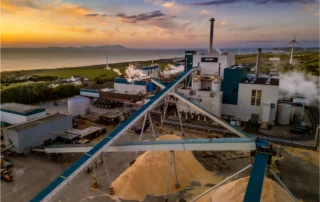
Holmen Workington increases sustainable power generation with HISS
Holmen Paper Mill in Workington, UK, identified an opportunity [...]

Interview with Hans Ladum-Poulsen, Heat Management’s newest representative
With many years of experience in the boiler and [...]
Predictive Maintenance with Real-Time Process Analytics for Industrial Boilers
January 20, 2026 /
The plant floor is silent. That’s the sound that wakes you up at night—the sudden, deafening quiet when a critical boiler shuts down without warning. Every silent minute is a cascade of lost production, spiraling costs, and a knot of dread tightening in your stomach.
You’ve followed the maintenance schedule to the letter. You’ve replaced parts on time, every time. Yet, here you are again, reacting to a failure that blindsided you, a failure that the calendar couldn’t predict and your budget can’t afford.
This isn’t just about equipment; it’s about control. It’s about the security of knowing your operations are stable and the power to act before disaster strikes. The old ways of waiting for a breakdown or guessing with a schedule are leaving you vulnerable. It’s time to stop reacting and start predicting, using real-time process analytics to see the future of your boiler’s health.
Why Reactive and Preventive Maintenance Fall Short in Modern Industrial Plants
The traditional playbook for boiler maintenance is fundamentally broken. It forces you into one of two losing positions: either you’re a firefighter or you’re a gambler. Neither is a strategy for winning in a competitive industrial landscape.
The vicious cycle of reactive maintenance is a familiar nightmare. An unexpected failure triggers a frantic scramble, leading to costly emergency repairs, overtime pay, and immense production losses. According to the U.S. Department of Energy, this reactive approach is a major drain, as well-implemented predictive maintenance programs can eliminate 70–75% of breakdowns. This constant firefighting not only destroys budgets but also elevates safety risks for the personnel rushing to fix a critical failure under pressure.
Preventive, time-based maintenance feels more proactive, but it’s often just as inefficient. You’re spending precious time and resources replacing components that may have months or even years of healthy life left in them. Worse, this rigid schedule offers a false sense of security, completely missing the subtle, early-stage issues that develop between inspections—the very problems that lead to those catastrophic, unplanned shutdowns.
The Core of PdM: How Real-Time Boiler Monitoring Uncovers Hidden Issues
The solution isn’t working harder; it’s working smarter by giving your boiler a voice. Real-time boiler monitoring is about translating the constant, complex symphony of operational data into clear, actionable warnings. It’s about seeing inside the furnace and steam drum without shutting anything down, detecting the whispers of a problem before it becomes a roar.
This is where technology like Acospector™ transforms your entire approach. Systems like this move beyond simple temperature or pressure gauges to provide a holistic, continuous view of your boiler’s internal environment. By harnessing real-time fluid analysis for boiler optimization, you can convert raw data into profitable decisions, knowing with certainty that a critical failure is developing days or even weeks in advance.
Effective predictive maintenance process analytics for boilers relies on monitoring the right parameters. It’s about analyzing the interplay between fluid dynamics to detect black liquor carryover before it causes corrosion, tracking heat transfer efficiency to identify fouling buildup, and even listening to acoustic signatures that signal tube leaks. This level of advanced boiler diagnostics provides the foresight needed to move from a defensive to an offensive maintenance strategy.
From Data to Action: Implementing a Predictive Maintenance Strategy
Adopting a predictive mindset is a clear, four-step process that turns raw data into decisive, cost-saving action. It’s a framework for taking back control of your maintenance schedule and, by extension, your plant’s profitability.
First, you must establish a digital baseline. By collecting high-fidelity data during peak operational health, advanced analytics platforms create a unique performance fingerprint for your boiler. This baseline defines what “good” looks like, creating the standard against which all future performance is measured.
Next comes automated anomaly detection. This is where the system does the heavy lifting, using sophisticated algorithms to monitor operations 24/7. It flags subtle deviations from the baseline—changes in temperature gradients or fluid composition—that are completely invisible to the human eye, providing the early warnings needed to prevent boiler downtime.
The system then moves to root cause diagnosis, translating an anomaly into a specific, actionable insight. For example, a gradual drop in heat transfer efficiency is correlated with other data points to diagnose slagging on a specific superheater. This allows you to integrate these findings directly into your CMMS, scheduling a targeted cleaning during a planned outage instead of reacting to an emergency shutdown.
The Tangible Benefits: Increased Uptime, Efficiency, and Safety
The impact of a data-driven, predictive maintenance strategy is not theoretical; it is measured in dollars saved, hours gained, and risks avoided. By shifting from a reactive to a proactive stance, you unlock significant, tangible returns across your entire operation.
The numbers speak for themselves. Plants that implement robust predictive maintenance programs see dramatic improvements, including:
- Increased Uptime: Reducing unplanned shutdowns by 30-50%.
- Reduced Maintenance Costs: Lowering emergency repair expenses and eliminating unnecessary preventive tasks by 10-40%.
- Improved Energy Efficiency: Maintaining optimal heat transfer can cut fuel consumption and identify system efficiency losses of 4-5%, according to data from AERCO.
- Extended Asset Lifespan: Preventing catastrophic failures reduces wear and tear, maximizing the return on your critical equipment investments.
Consider this real-world scenario: A biomass power plant using real-time process analytics detected a slow decline in heat transfer efficiency. The system correlated this with a recent change in fuel supply and diagnosed fouling in the economizer. Instead of waiting for a forced outage, they adjusted their sootblowing sequence and scheduled a targeted cleaning during a minor planned stop, preventing an estimated 48 hours of costly, unplanned downtime. This is the power of leveraging predictive maintenance to reduce downtime in action.
The Future of Boiler Maintenance is Predictive
The era of running to failure or relying on a calendar is over. For modern industrial plants, the transition from reactive maintenance to a predictive, data-driven strategy is no longer an option—it is a fundamental requirement for survival and growth. Waiting for alarms is a plan to fail.
Technologies that enable real-time process analytics are the cornerstone of this transformation. They provide the vision to anticipate problems, the intelligence to diagnose their root cause, and the foresight to act decisively. This is how you build a more resilient, efficient, and profitable operation.
At Heat Management, we understand that this is more than just installing sensors; it’s about changing the way you think about maintenance. We provide both the advanced technology and the deep process knowledge to guide you on this journey, helping you turn operational data into your most powerful strategic asset.
Ready to transform your boiler maintenance strategy? Explore how Acospector™ provides the real-time data needed for effective predictive maintenance.
Latest news & articles
Meeting EU Emissions Standards Through Advanced Steam Sootblowing Technologies
The walls are closing in. For plant managers and engineers [...]
Holmen Workington increases sustainable power generation with HISS
Holmen Paper Mill in Workington, UK, identified an opportunity [...]
Interview with Hans Ladum-Poulsen, Heat Management’s newest representative
With many years of experience in the boiler and [...]