
Achieving Dramatic Energy Savings by Reducing Boiler Steam Consumption through Optimization Techniques
November 14, 2025 /

What if the biggest drain on your plant’s profitability isn’t a failing component, but a hidden process running in plain sight? Every day, in facilities just like yours, a silent thief is at work, consuming vast amounts of energy and driving up operational costs. This thief is excess steam consumption, a parasitic load that sabotages efficiency and inflates your carbon footprint.
Your boiler’s cleaning system is essential for maintaining heat transfer, but is it consuming more energy than it needs to? For many plants still relying on outdated, schedule-based methods, the answer is a resounding and costly yes. The constant, indiscriminate use of steam acts as a blunt instrument, wasting fuel, stressing equipment, and leaving significant savings on the table.
This article is your technical guide to reclaiming that lost energy. We will explore proven optimization techniques that move beyond traditional, calendar-based cleaning to an intelligent, data-driven approach. Prepare to unlock dramatic reductions in boiler steam consumption, slash your operational expenditure, and boost your plant’s overall efficiency.
Understanding the Root Causes of High Steam Consumption in Boiler Cleaning
To defeat an enemy, you must first understand it. The excessive use of steam in boiler cleaning isn’t a single problem but a symptom of outdated operational philosophies. These legacy methods create a cascade of inefficiencies that directly impact your bottom line.
The Inefficiency of Schedule-Based Sootblowing
Imagine running your factory’s lights on full blast, 24/7, regardless of whether anyone is in the room. This is the logic behind traditional, timer-based sootblowing systems. They operate on a fixed schedule, blasting steam whether the boiler is clean or dirty, often over-cleaning some areas while completely neglecting others that are developing critical fouling.
This brute-force approach is inherently wasteful. According to industry best practices highlighted by the CEO Water Mandate, optimizing boiler maintenance is a key driver of energy efficiency. Schedule-based systems directly contradict this principle, leading to wasted steam, accelerated tube erosion from unnecessary cleaning, and severe thermal stress on vital boiler components.
The Vicious Cycle of Fouling and Reactive Cleaning
When fouling isn’t managed with precision, it triggers a dangerous and expensive cycle. As soot and ash build up on heat transfer surfaces, boiler efficiency plummets, forcing operators to burn more fuel to maintain steam output. This often leads to a reactive, panicked response: increasing the frequency and intensity of sootblowing in a desperate attempt to restore performance.
This creates a vicious cycle of high steam usage without ever addressing the root cause of the fouling. Operators are left fighting symptoms, consuming more and more energy while the boiler’s health continues to decline. This reactive stance is a common source of energy loss, a problem that can be solved with the real-time monitoring and control systems advocated by experts.
The Lack of Real-Time Data
Would you navigate a ship through a storm using last week’s weather report? Making critical operational decisions about your multi-million dollar boiler based on historical data or periodic manual inspections is just as reckless. Without a live, continuous view of your boiler’s internal condition, you are operating blind.
This data vacuum forces engineers to rely on guesswork and overly conservative cleaning schedules. The inability to see where and when fouling is actually occurring makes precise, efficient cleaning impossible. As noted in a comprehensive guide from Emerson, advanced instrumentation is the foundation for improving boiler efficiency, enabling the shift from assumption-based maintenance to data-driven optimization.
The Core Principle: Shifting from Reactive Maintenance to Predictive Optimization
The key to unlocking dramatic energy savings lies in a fundamental paradigm shift. You must stop treating steam as a blunt instrument and start wielding it as a precise, surgical tool. This means moving away from the old world of reactive, scheduled maintenance and into the new era of predictive, intelligent optimization.
The goal is to achieve condition-based cleaning—the practice of cleaning only where and when it is needed, based on real-time measurements of fouling and heat transfer performance. This approach eliminates the waste inherent in timer-based systems. Instead of cleaning the entire boiler on a fixed schedule, you target specific areas precisely when their efficiency begins to drop.
This philosophy is powered by intelligent sootblowing, a concept that leverages advanced sensors and process analytics to create dynamic, self-optimizing cleaning sequences. It’s the difference between a sledgehammer and a laser. By understanding the exact state of your boiler in real-time, you can apply the minimum effective amount of cleaning energy to achieve maximum heat transfer, a core theme in our comparison of traditional and intelligent cleaning technologies.
Actionable Boiler Optimization Techniques to Reduce Steam Consumption
Adopting this new philosophy requires the right tools and strategies. These are not theoretical concepts; they are actionable, field-proven techniques that deliver measurable results. By implementing these data-driven solutions, you can take direct control over your steam consumption and operational costs.
Technique 1: Implement an Intelligent, Condition-Based Sootblowing System
The most impactful step you can take is to replace your outdated timer system with an intelligent, condition-based one. Systems like Heat Management’s HISS® (High Impact Sootblowing System) represent the pinnacle of this technology. HISS® utilizes a network of acoustic sensors to continuously monitor the cleanliness and heat transfer efficiency in every section of the boiler in real-time.
The system’s advanced algorithm analyzes this constant stream of data, identifying the precise locations where fouling is beginning to impact performance. It then automatically triggers only the specific sootblowers needed to address that area, leaving clean sections untouched. This targeted approach drastically reduces the number of unnecessary sootblowing cycles, directly cutting steam consumption by up to 50% or more compared to traditional methods, a key benefit detailed in our guide to optimizing boiler efficiency with advanced sootblowing.
Technique 2: Optimize Sootblower Nozzle Design and Steam Pressure
It’s not just about when you clean, but how. The physics of effective cleaning prioritize impact pressure over sheer steam volume. High-velocity steam delivered through optimized nozzles provides a much greater cleaning force, dislodging stubborn deposits with significantly less steam.
This principle is at the heart of the HISS® technology. The system is engineered to maximize cleaning impact while minimizing steam flow, ensuring every kilogram of steam is used to its maximum potential. As experts at Spirax Sarco explain, accurate measurement and control of steam is fundamental to system efficiency, and optimizing the delivery mechanism is a critical part of that equation.
Technique 3: Leverage Real-Time Process Analytics for Predictive Insights
Data is the fuel for optimization. By continuously monitoring key parameters like flue gas temperatures, pressure drops, and steam flow, you can move beyond reactive cleaning to predictive maintenance. This is where a powerful analytics platform becomes indispensable.
Acospector™ Process Analytics acts as the brain of the operation, interpreting the vast amounts of data collected by the sensor network. It provides operators with a clear, intuitive dashboard showing boiler cleanliness, performance trends, and potential issues before they become critical problems. This predictive insight not only feeds the intelligent sootblowing system but also empowers your team to maximize heat transfer efficiency across the entire plant.
The Measurable Impact: Quantifying the Savings and Performance Gains
Implementing these technical solutions translates directly into tangible business outcomes that resonate from the boiler room to the boardroom. The impact is felt across three critical areas: cost, performance, and sustainability. This is where intelligent optimization proves its immense value.
Dramatic Energy and Cost Savings
The financial case is undeniable. Implementing an intelligent sootblowing system can reduce annual steam consumption for cleaning by 30-50%, a figure that represents a massive reduction in fuel costs. For industries like pulp and paper, these boiler optimization techniques can slash operational costs and deliver a rapid return on investment, often in less than a year.
Enhanced Boiler Performance and Reliability
A cleaner, more efficiently managed boiler is a more reliable one. Optimized cleaning leads to more stable steam temperatures and pressures, which improves turbine efficiency and boosts overall plant output. Furthermore, by eliminating unnecessary cleaning cycles, you significantly reduce tube erosion, extending the life of your equipment and lowering long-term maintenance costs, a crucial factor in maximizing boiler uptime and operational readiness.
Significant Sustainability and ESG Improvements
In today’s world, efficiency and sustainability are two sides of the same coin. Every kilogram of steam you save is fuel you don’t have to burn. This direct reduction in fuel consumption leads to a direct and quantifiable reduction in CO₂ and other harmful emissions. As highlighted by Thermodyne Boilers, adopting strategies to maximize boiler efficiency is essential for sustainability, helping your plant meet stringent regulatory requirements and achieve corporate Environmental, Social, and Governance (ESG) goals.
The Future of Boiler Efficiency is Intelligent
The path to dramatic energy savings is clear. The most effective way to slash your boiler’s steam consumption is to abandon the outdated, wasteful practices of the past. It’s time to stop relying on schedules and guesswork and embrace a data-driven, intelligent optimization strategy.
Reducing steam consumption is far more than a simple cost-saving measure; it is a critical component of modern, sustainable, and highly reliable industrial operations. By leveraging real-time data and intelligent automation, you can transform your boiler from a cost center into a model of efficiency. This is not just an upgrade—it’s a fundamental evolution in how to manage your most critical assets.
See the data for yourself. Explore our case studies to understand how pulp mills and power plants have reduced their sootblowing steam consumption by over 50% with the HISS® system and what that could mean for your operation.
Latest news & articles

Meeting EU Emissions Standards Through Advanced Steam Sootblowing Technologies
The walls are closing in. For plant managers and engineers [...]
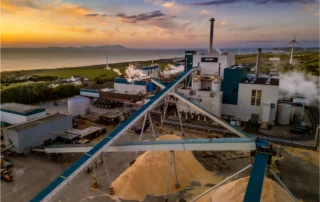
Holmen Workington increases sustainable power generation with HISS
Holmen Paper Mill in Workington, UK, identified an opportunity [...]

Interview with Hans Ladum-Poulsen, Heat Management’s newest representative
With many years of experience in the boiler and [...]
Achieving Dramatic Energy Savings by Reducing Boiler Steam Consumption through Optimization Techniques
November 14, 2025 /
What if the biggest drain on your plant’s profitability isn’t a failing component, but a hidden process running in plain sight? Every day, in facilities just like yours, a silent thief is at work, consuming vast amounts of energy and driving up operational costs. This thief is excess steam consumption, a parasitic load that sabotages efficiency and inflates your carbon footprint.
Your boiler’s cleaning system is essential for maintaining heat transfer, but is it consuming more energy than it needs to? For many plants still relying on outdated, schedule-based methods, the answer is a resounding and costly yes. The constant, indiscriminate use of steam acts as a blunt instrument, wasting fuel, stressing equipment, and leaving significant savings on the table.
This article is your technical guide to reclaiming that lost energy. We will explore proven optimization techniques that move beyond traditional, calendar-based cleaning to an intelligent, data-driven approach. Prepare to unlock dramatic reductions in boiler steam consumption, slash your operational expenditure, and boost your plant’s overall efficiency.
Understanding the Root Causes of High Steam Consumption in Boiler Cleaning
To defeat an enemy, you must first understand it. The excessive use of steam in boiler cleaning isn’t a single problem but a symptom of outdated operational philosophies. These legacy methods create a cascade of inefficiencies that directly impact your bottom line.
The Inefficiency of Schedule-Based Sootblowing
Imagine running your factory’s lights on full blast, 24/7, regardless of whether anyone is in the room. This is the logic behind traditional, timer-based sootblowing systems. They operate on a fixed schedule, blasting steam whether the boiler is clean or dirty, often over-cleaning some areas while completely neglecting others that are developing critical fouling.
This brute-force approach is inherently wasteful. According to industry best practices highlighted by the CEO Water Mandate, optimizing boiler maintenance is a key driver of energy efficiency. Schedule-based systems directly contradict this principle, leading to wasted steam, accelerated tube erosion from unnecessary cleaning, and severe thermal stress on vital boiler components.
The Vicious Cycle of Fouling and Reactive Cleaning
When fouling isn’t managed with precision, it triggers a dangerous and expensive cycle. As soot and ash build up on heat transfer surfaces, boiler efficiency plummets, forcing operators to burn more fuel to maintain steam output. This often leads to a reactive, panicked response: increasing the frequency and intensity of sootblowing in a desperate attempt to restore performance.
This creates a vicious cycle of high steam usage without ever addressing the root cause of the fouling. Operators are left fighting symptoms, consuming more and more energy while the boiler’s health continues to decline. This reactive stance is a common source of energy loss, a problem that can be solved with the real-time monitoring and control systems advocated by experts.
The Lack of Real-Time Data
Would you navigate a ship through a storm using last week’s weather report? Making critical operational decisions about your multi-million dollar boiler based on historical data or periodic manual inspections is just as reckless. Without a live, continuous view of your boiler’s internal condition, you are operating blind.
This data vacuum forces engineers to rely on guesswork and overly conservative cleaning schedules. The inability to see where and when fouling is actually occurring makes precise, efficient cleaning impossible. As noted in a comprehensive guide from Emerson, advanced instrumentation is the foundation for improving boiler efficiency, enabling the shift from assumption-based maintenance to data-driven optimization.
The Core Principle: Shifting from Reactive Maintenance to Predictive Optimization
The key to unlocking dramatic energy savings lies in a fundamental paradigm shift. You must stop treating steam as a blunt instrument and start wielding it as a precise, surgical tool. This means moving away from the old world of reactive, scheduled maintenance and into the new era of predictive, intelligent optimization.
The goal is to achieve condition-based cleaning—the practice of cleaning only where and when it is needed, based on real-time measurements of fouling and heat transfer performance. This approach eliminates the waste inherent in timer-based systems. Instead of cleaning the entire boiler on a fixed schedule, you target specific areas precisely when their efficiency begins to drop.
This philosophy is powered by intelligent sootblowing, a concept that leverages advanced sensors and process analytics to create dynamic, self-optimizing cleaning sequences. It’s the difference between a sledgehammer and a laser. By understanding the exact state of your boiler in real-time, you can apply the minimum effective amount of cleaning energy to achieve maximum heat transfer, a core theme in our comparison of traditional and intelligent cleaning technologies.
Actionable Boiler Optimization Techniques to Reduce Steam Consumption
Adopting this new philosophy requires the right tools and strategies. These are not theoretical concepts; they are actionable, field-proven techniques that deliver measurable results. By implementing these data-driven solutions, you can take direct control over your steam consumption and operational costs.
Technique 1: Implement an Intelligent, Condition-Based Sootblowing System
The most impactful step you can take is to replace your outdated timer system with an intelligent, condition-based one. Systems like Heat Management’s HISS® (High Impact Sootblowing System) represent the pinnacle of this technology. HISS® utilizes a network of acoustic sensors to continuously monitor the cleanliness and heat transfer efficiency in every section of the boiler in real-time.
The system’s advanced algorithm analyzes this constant stream of data, identifying the precise locations where fouling is beginning to impact performance. It then automatically triggers only the specific sootblowers needed to address that area, leaving clean sections untouched. This targeted approach drastically reduces the number of unnecessary sootblowing cycles, directly cutting steam consumption by up to 50% or more compared to traditional methods, a key benefit detailed in our guide to optimizing boiler efficiency with advanced sootblowing.
Technique 2: Optimize Sootblower Nozzle Design and Steam Pressure
It’s not just about when you clean, but how. The physics of effective cleaning prioritize impact pressure over sheer steam volume. High-velocity steam delivered through optimized nozzles provides a much greater cleaning force, dislodging stubborn deposits with significantly less steam.
This principle is at the heart of the HISS® technology. The system is engineered to maximize cleaning impact while minimizing steam flow, ensuring every kilogram of steam is used to its maximum potential. As experts at Spirax Sarco explain, accurate measurement and control of steam is fundamental to system efficiency, and optimizing the delivery mechanism is a critical part of that equation.
Technique 3: Leverage Real-Time Process Analytics for Predictive Insights
Data is the fuel for optimization. By continuously monitoring key parameters like flue gas temperatures, pressure drops, and steam flow, you can move beyond reactive cleaning to predictive maintenance. This is where a powerful analytics platform becomes indispensable.
Acospector™ Process Analytics acts as the brain of the operation, interpreting the vast amounts of data collected by the sensor network. It provides operators with a clear, intuitive dashboard showing boiler cleanliness, performance trends, and potential issues before they become critical problems. This predictive insight not only feeds the intelligent sootblowing system but also empowers your team to maximize heat transfer efficiency across the entire plant.
The Measurable Impact: Quantifying the Savings and Performance Gains
Implementing these technical solutions translates directly into tangible business outcomes that resonate from the boiler room to the boardroom. The impact is felt across three critical areas: cost, performance, and sustainability. This is where intelligent optimization proves its immense value.
Dramatic Energy and Cost Savings
The financial case is undeniable. Implementing an intelligent sootblowing system can reduce annual steam consumption for cleaning by 30-50%, a figure that represents a massive reduction in fuel costs. For industries like pulp and paper, these boiler optimization techniques can slash operational costs and deliver a rapid return on investment, often in less than a year.
Enhanced Boiler Performance and Reliability
A cleaner, more efficiently managed boiler is a more reliable one. Optimized cleaning leads to more stable steam temperatures and pressures, which improves turbine efficiency and boosts overall plant output. Furthermore, by eliminating unnecessary cleaning cycles, you significantly reduce tube erosion, extending the life of your equipment and lowering long-term maintenance costs, a crucial factor in maximizing boiler uptime and operational readiness.
Significant Sustainability and ESG Improvements
In today’s world, efficiency and sustainability are two sides of the same coin. Every kilogram of steam you save is fuel you don’t have to burn. This direct reduction in fuel consumption leads to a direct and quantifiable reduction in CO₂ and other harmful emissions. As highlighted by Thermodyne Boilers, adopting strategies to maximize boiler efficiency is essential for sustainability, helping your plant meet stringent regulatory requirements and achieve corporate Environmental, Social, and Governance (ESG) goals.
The Future of Boiler Efficiency is Intelligent
The path to dramatic energy savings is clear. The most effective way to slash your boiler’s steam consumption is to abandon the outdated, wasteful practices of the past. It’s time to stop relying on schedules and guesswork and embrace a data-driven, intelligent optimization strategy.
Reducing steam consumption is far more than a simple cost-saving measure; it is a critical component of modern, sustainable, and highly reliable industrial operations. By leveraging real-time data and intelligent automation, you can transform your boiler from a cost center into a model of efficiency. This is not just an upgrade—it’s a fundamental evolution in how to manage your most critical assets.
See the data for yourself. Explore our case studies to understand how pulp mills and power plants have reduced their sootblowing steam consumption by over 50% with the HISS® system and what that could mean for your operation.
Latest news & articles
Meeting EU Emissions Standards Through Advanced Steam Sootblowing Technologies
The walls are closing in. For plant managers and engineers [...]
Holmen Workington increases sustainable power generation with HISS
Holmen Paper Mill in Workington, UK, identified an opportunity [...]
Interview with Hans Ladum-Poulsen, Heat Management’s newest representative
With many years of experience in the boiler and [...]