

Revolutionizing Sustainability Metrics: Real-Time Fluid Analysis in Emission Control
November 14, 2025 /

The pressure is on. Regulators, investors, and the public are no longer satisfied with annual reports and hopeful estimates. They demand proof. They want granular, verifiable data that shows you are not just meeting, but mastering your environmental commitments.
For decades, the industry has relied on a broken system. Manual sampling and periodic lab analysis were the best we had, but they created dangerous blind spots. This old method is reactive, leaving you to explain an emission event long after the damage is done, making it impossible to connect the incident to its root cause.
This is where the paradigm shifts. Real-time fluid analysis transforms emission control from a retrospective guessing game into a dynamic, predictive science. It provides the certainty and control you need to build truly defensible sustainability metrics in energy production and secure your license to operate for years to come.
The Lagging Indicator Problem: Why Periodic Data Falls Short
The Pitfalls of Manual Sampling and Retrospective Analysis
Imagine trying to navigate a complex process while looking in the rearview mirror. That is the reality of relying on periodic data. The delay between taking a sample, shipping it to a lab, and getting a result can be days, or even weeks.
By the time you discover a problem, the non-compliant emissions have already been released. The opportunity to prevent the breach is gone. According to industry analysis, this data latency is a primary source of unintentional regulatory violations, exposing companies to significant financial and reputational risk.
Worse yet, this retrospective data makes root cause analysis a nightmare. A poor lab result offers no context, making it nearly impossible to link an emission spike to a specific operational event like a change in fuel quality or a process upset. This leaves your team guessing, unable to implement effective preventative measures and dooming you to repeat the same costly mistakes.
The Solution: Shifting to Proactive Control with Real-Time Fluid Analysis
From Snapshot to Live Stream: How Continuous Monitoring Works
Now, imagine a different reality. Instead of isolated snapshots, you have a live, high-definition video stream of your process fluid’s critical properties. In-line sensors analyze the fluid directly inside the pipe, giving you a second-by-second understanding of what’s happening.
This is the power of continuous process analytics, and technologies like our Acospector™ system are leading the charge. Using advanced acoustic spectroscopy, it provides a constant data stream on chemical composition, concentration, and density without ever needing to pull a sample. This is the foundation of true real-time fluid analysis emission control, turning unknown variables into precisely managed inputs.
The benefit is simple and profound: control. You are no longer reacting to old news from a lab. You are making proactive, data-driven decisions that optimize your process, prevent emissions before they happen, and create an unbreakable audit trail for compliance.
Practical Application: Linking Fluid Data to Precise Emission Reduction
A Case Study in Action: Optimizing Selective Catalytic Reduction (SCR) Systems
Consider the challenge of managing a Selective Catalytic Reduction (SCR) system, your primary defense against harmful NOx emissions. The system’s effectiveness hinges on injecting the exact right amount of a reagent, like urea or ammonia. It’s a delicate balancing act with serious consequences.
Without real-time data, operators are forced to err on the side of caution, often over-injecting the reagent. This leads to “ammonia slip,” where unreacted ammonia is released into the atmosphere—a pollutant in its own right that also represents a significant wasted cost. Under-inject, and you fail to meet your NOx reduction targets, triggering compliance alarms.
This is where real-time monitoring for boilers provides a decisive advantage. By continuously analyzing the reagent concentration before injection, a system like Acospector™ allows the boiler controls to make constant micro-adjustments. The result is optimized injection, maximized NOx reduction, zero ammonia slip, and a dramatic reduction in chemical consumption—often by as much as 15%, according to process optimization studies.
The Broader Impact on Sustainability Metrics and ESG Reporting
Beyond Compliance: Building a Data-Driven, Defensible ESG Strategy
The value of this real-time data extends far beyond the boiler room. It becomes the bedrock of a modern, credible Environmental, Social, and Governance (ESG) strategy. Your sustainability reports are no longer built on estimates; they are backed by millions of verifiable, time-stamped data points that stand up to the toughest scrutiny from investors and regulators.
This proactive approach transforms your entire compliance posture. You can set intelligent alarms that notify operators of a process deviation before it leads to an emission breach, allowing for immediate correction. As noted by cleantech innovators like Boson Energy, who focus on verifiable sustainability, this level of data-driven proof is becoming the new industry standard.
Furthermore, this precision control drives fundamental resource efficiency. Optimized combustion and reduced chemical consumption directly lower your operational costs and your carbon footprint. The same data streams can even power predictive maintenance strategies, as subtle changes in fluid properties often signal impending equipment failure, helping you prevent unplanned downtime and the associated emission events. This is the essence of integrating real-time analytics for enhanced sustainability.
The Future is Real-Time
The era of reactive, report-based environmental management is over. Waiting for a lab result is no longer a viable strategy; it’s a liability. The future of industrial sustainability is proactive, predictive, and powered by the certainty of continuous, real-time data.
This technology is not just another operational tool. It is a strategic asset for any organization that is serious about its environmental commitments, its operational resilience, and its long-term profitability. It delivers the precision required to meet the challenges of today and the certainty needed to build a more sustainable tomorrow.
See how our Acospector™ system provides the real-time process data needed for optimized emission control and predictive maintenance. Explore the power of real-time fluid analysis for boiler optimization.
Latest news & articles

Meeting EU Emissions Standards Through Advanced Steam Sootblowing Technologies
The walls are closing in. For plant managers and engineers [...]
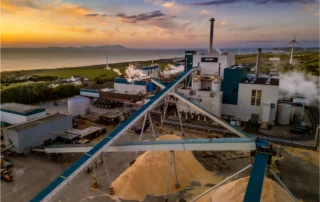
Holmen Workington increases sustainable power generation with HISS
Holmen Paper Mill in Workington, UK, identified an opportunity [...]

Interview with Hans Ladum-Poulsen, Heat Management’s newest representative
With many years of experience in the boiler and [...]
Revolutionizing Sustainability Metrics: Real-Time Fluid Analysis in Emission Control
November 14, 2025 /
The pressure is on. Regulators, investors, and the public are no longer satisfied with annual reports and hopeful estimates. They demand proof. They want granular, verifiable data that shows you are not just meeting, but mastering your environmental commitments.
For decades, the industry has relied on a broken system. Manual sampling and periodic lab analysis were the best we had, but they created dangerous blind spots. This old method is reactive, leaving you to explain an emission event long after the damage is done, making it impossible to connect the incident to its root cause.
This is where the paradigm shifts. Real-time fluid analysis transforms emission control from a retrospective guessing game into a dynamic, predictive science. It provides the certainty and control you need to build truly defensible sustainability metrics in energy production and secure your license to operate for years to come.
The Lagging Indicator Problem: Why Periodic Data Falls Short
The Pitfalls of Manual Sampling and Retrospective Analysis
Imagine trying to navigate a complex process while looking in the rearview mirror. That is the reality of relying on periodic data. The delay between taking a sample, shipping it to a lab, and getting a result can be days, or even weeks.
By the time you discover a problem, the non-compliant emissions have already been released. The opportunity to prevent the breach is gone. According to industry analysis, this data latency is a primary source of unintentional regulatory violations, exposing companies to significant financial and reputational risk.
Worse yet, this retrospective data makes root cause analysis a nightmare. A poor lab result offers no context, making it nearly impossible to link an emission spike to a specific operational event like a change in fuel quality or a process upset. This leaves your team guessing, unable to implement effective preventative measures and dooming you to repeat the same costly mistakes.
The Solution: Shifting to Proactive Control with Real-Time Fluid Analysis
From Snapshot to Live Stream: How Continuous Monitoring Works
Now, imagine a different reality. Instead of isolated snapshots, you have a live, high-definition video stream of your process fluid’s critical properties. In-line sensors analyze the fluid directly inside the pipe, giving you a second-by-second understanding of what’s happening.
This is the power of continuous process analytics, and technologies like our Acospector™ system are leading the charge. Using advanced acoustic spectroscopy, it provides a constant data stream on chemical composition, concentration, and density without ever needing to pull a sample. This is the foundation of true real-time fluid analysis emission control, turning unknown variables into precisely managed inputs.
The benefit is simple and profound: control. You are no longer reacting to old news from a lab. You are making proactive, data-driven decisions that optimize your process, prevent emissions before they happen, and create an unbreakable audit trail for compliance.
Practical Application: Linking Fluid Data to Precise Emission Reduction
A Case Study in Action: Optimizing Selective Catalytic Reduction (SCR) Systems
Consider the challenge of managing a Selective Catalytic Reduction (SCR) system, your primary defense against harmful NOx emissions. The system’s effectiveness hinges on injecting the exact right amount of a reagent, like urea or ammonia. It’s a delicate balancing act with serious consequences.
Without real-time data, operators are forced to err on the side of caution, often over-injecting the reagent. This leads to “ammonia slip,” where unreacted ammonia is released into the atmosphere—a pollutant in its own right that also represents a significant wasted cost. Under-inject, and you fail to meet your NOx reduction targets, triggering compliance alarms.
This is where real-time monitoring for boilers provides a decisive advantage. By continuously analyzing the reagent concentration before injection, a system like Acospector™ allows the boiler controls to make constant micro-adjustments. The result is optimized injection, maximized NOx reduction, zero ammonia slip, and a dramatic reduction in chemical consumption—often by as much as 15%, according to process optimization studies.
The Broader Impact on Sustainability Metrics and ESG Reporting
Beyond Compliance: Building a Data-Driven, Defensible ESG Strategy
The value of this real-time data extends far beyond the boiler room. It becomes the bedrock of a modern, credible Environmental, Social, and Governance (ESG) strategy. Your sustainability reports are no longer built on estimates; they are backed by millions of verifiable, time-stamped data points that stand up to the toughest scrutiny from investors and regulators.
This proactive approach transforms your entire compliance posture. You can set intelligent alarms that notify operators of a process deviation before it leads to an emission breach, allowing for immediate correction. As noted by cleantech innovators like Boson Energy, who focus on verifiable sustainability, this level of data-driven proof is becoming the new industry standard.
Furthermore, this precision control drives fundamental resource efficiency. Optimized combustion and reduced chemical consumption directly lower your operational costs and your carbon footprint. The same data streams can even power predictive maintenance strategies, as subtle changes in fluid properties often signal impending equipment failure, helping you prevent unplanned downtime and the associated emission events. This is the essence of integrating real-time analytics for enhanced sustainability.
The Future is Real-Time
The era of reactive, report-based environmental management is over. Waiting for a lab result is no longer a viable strategy; it’s a liability. The future of industrial sustainability is proactive, predictive, and powered by the certainty of continuous, real-time data.
This technology is not just another operational tool. It is a strategic asset for any organization that is serious about its environmental commitments, its operational resilience, and its long-term profitability. It delivers the precision required to meet the challenges of today and the certainty needed to build a more sustainable tomorrow.
See how our Acospector™ system provides the real-time process data needed for optimized emission control and predictive maintenance. Explore the power of real-time fluid analysis for boiler optimization.
Latest news & articles
Meeting EU Emissions Standards Through Advanced Steam Sootblowing Technologies
The walls are closing in. For plant managers and engineers [...]
Holmen Workington increases sustainable power generation with HISS
Holmen Paper Mill in Workington, UK, identified an opportunity [...]
Interview with Hans Ladum-Poulsen, Heat Management’s newest representative
With many years of experience in the boiler and [...]