

Extending Boiler Lifespan: Preventive Strategies and Advanced Cleaning Systems Explained
November 26, 2025 /

That creeping dread in the back of your mind? It’s the sound of your boiler aging. It’s the slow, silent killer of plant efficiency—the gradual buildup of soot and slag that strangles performance, drives up fuel costs, and pushes your most critical asset toward a premature, and expensive, end.
What if that end date wasn’t fixed? What if you could seize control, pushing back against the relentless march of degradation? The truth is, extending a boiler’s operational life isn’t about luck; it’s about strategy. It requires a fundamental shift from a reactive culture of frantic repairs to a proactive strategy of relentless prevention.
This guide is your roadmap. We will cover the non-negotiable maintenance fundamentals every engineer must master. Then, we will dive deep into the advanced cleaning technologies that attack the root causes of wear and tear, transforming your boiler from a ticking clock into a long-term, high-performance asset.
The True Cost of Boiler Degradation: An Engineer’s Perspective
Ignoring the slow decay of your boiler is like ignoring a crack in a dam. At first, it’s a trickle—a slight dip in steam output, a minor bump in fuel consumption. But that trickle always becomes a flood, and the costs are far greater than a simple repair bill.
This is the reality of creeping inefficiency. As fouling accumulates on heat transfer surfaces, your boiler has to work harder and burn more fuel to produce the same amount of energy. This isn’t just a minor expense; it’s a continuous drain on your operational budget. Inefficient conventional cleaning methods often waste enormous amounts of energy; for example, in traditional sootblowing, over 90% of the cleaning effect happens on the initial steam impact, meaning the rest is wasted time and steam, as noted in a report by Bioenergy International.
Beyond the fuel costs, uncontrolled fouling wages a physical war on your equipment. Thick, uneven deposits create thermal stress, causing metal to expand and contract unevenly, which accelerates tube wear. Worse, these deposits can trap corrosive elements against the tube surfaces, leading to pitting, leaks, and the catastrophic risk of an unplanned shutdown—a domino effect that can halt your entire operation. This degradation also directly impacts your environmental commitments, as poor combustion and heat transfer can increase CO₂, NOx, and particulate emissions, putting your compliance permits at risk.
Foundational Preventive Maintenance for Boilers: The Non-Negotiables
Before you can win the war against degradation, you must master the fundamentals of defense. These are the daily, weekly, and monthly disciplines that form the bedrock of a long and healthy boiler life. Skipping these steps is like building a skyscraper on a foundation of sand.
Water Treatment & Chemistry
The lifeblood of your boiler is its water. Improperly treated feedwater is a primary cause of internal scaling and corrosion, silently eating away at your equipment from the inside out. Rigorous monitoring and control of feedwater chemistry to prevent mineral deposits and maintain proper pH levels is not optional; it is the first line of defense in preserving the integrity of your boiler’s internal surfaces.
Combustion Tuning & Analysis
An inefficient fire is a dirty fire. Poor fuel-air ratios lead to incomplete combustion, which is a direct cause of the slagging and fouling that choke your heat transfer surfaces. Regular combustion analysis and tuning are critical to ensure you are getting the most energy out of every unit of fuel while minimizing the creation of harmful deposits. This is a core principle of overall plant efficiency, a focus of optimization leaders like Valmet in their CHP plant solutions.
Routine Mechanical Inspections
You can’t fix what you can’t see. A disciplined schedule of visual inspections, supplemented by advanced techniques like ultrasonic thickness testing, is essential for catching signs of wear, erosion, and corrosion before they become critical failures. This hands-on approach provides the ground-truth data needed to validate your operational strategy and make informed maintenance decisions.
These fundamentals are the table stakes for boiler longevity. But they are defensive measures. To truly extend your boiler’s life and maximize its performance, you must go on the offensive against the dynamic, real-time challenge of deposit buildup—and that requires a more advanced approach.
The Next Frontier: Advanced Cleaning Systems for Proactive Fouling Control
Mastering the fundamentals gets you in the game. But winning the game—achieving decades of reliable, efficient operation—requires moving beyond scheduled, manual interventions. The next frontier is the deployment of intelligent, automated systems that prevent fouling before it can take hold.
High-Impact Sootblowing for Targeted Deposit Removal
Think about conventional sootblowing. It’s often a brute-force, timed event—a massive blast of steam that uses far more energy than necessary and subjects boiler tubes to repeated, damaging thermal shock. This “more is more” approach not only wastes a valuable resource but actively contributes to the erosion and wear you’re trying to prevent.
The intelligent alternative is a system engineered for precision and efficiency. The High Impact Sootblowing System (HISS®) represents this shift. Instead of wasteful, full-cycle blasts, HISS® optimizes the steam jet power and cleaning sequence to deliver maximum cleaning impact with minimal steam consumption. By focusing energy where it’s needed most, it removes stubborn deposits more effectively while drastically reducing the thermal stress and erosion that shorten tube life. This is a core strategy for optimizing boiler efficiency using advanced sootblowing techniques.
The impact is immediate and measurable. Plants using this technology see a dramatic reduction in steam usage, a sustained improvement in heat transfer, and a significant decrease in long-term tube wear. This isn’t just cleaning; it’s a targeted, strategic strike that directly contributes to a longer, more productive boiler lifespan.
Non-Intrusive Infrasound Cleaning for Continuous Prevention
Some areas of a boiler, like economizers, air preheaters, and SCRs, are notoriously difficult to clean with conventional methods. They are often sensitive to mechanical force or thermal shock, allowing fine ash and particulate to gradually build up, creating performance-killing blockages that require costly manual cleaning shutdowns.
This is where a non-intrusive, preventive technology becomes essential. Infrasound Cleaning operates on a simple yet powerful principle. It generates low-frequency, high-power acoustic waves that create a pervasive vibration throughout the boiler cavity, fluidizing fine particles and preventing them from sintering together to form hard, stubborn deposits.
Because it operates continuously and without any mechanical contact, it keeps these critical downstream areas clean without imposing any thermal or mechanical stress on the equipment. This proactive approach ensures that heat transfer surfaces remain consistently efficient, preventing the gradual degradation that forces you into expensive downtime. It is a cornerstone of preventing boiler fouling in biomass plants and other sensitive applications.
The Power of Data: From Scheduled Maintenance to Predictive Longevity
The most profound shift in extending boiler lifespan is moving from a calendar to a dashboard. Cleaning and maintenance should not be dictated by a fixed schedule, but by the real-time condition of your boiler. This data-driven approach, a key tenet of Industry 4.0, transforms maintenance from a cost center into a strategic advantage.
This means replacing time-based cleaning with condition-based cleaning. Why run a sootblowing cycle if the surfaces are already clean? Intelligent systems use sensors and analytics to trigger cleaning only when and where it is needed, saving energy, reducing wear, and maximizing impact. This is the core of implementing predictive maintenance strategies with real-time analytics.
A prime example of this predictive power is the Carryover Early Warning System. In recovery boilers, black liquor carryover can form intensely corrosive deposits that cause rapid, catastrophic tube failure. This patented system uses advanced sensors to detect carryover before it reaches the superheaters, giving operators an early warning to correct the process upset and prevent a major cause of premature boiler failure. Similarly, process analytics tools like Acospector™ provide real-time fluid data, allowing engineers to optimize combustion and eliminate the very conditions that cause fouling in the first place.
A Long-Lasting Boiler is an Efficient, Reliable, and Sustainable Asset
Extending the life of your boiler is not a single action, but a strategic commitment. It is a two-pronged approach that demands both a mastery of preventive maintenance fundamentals and the courage to embrace advanced technologies that proactively manage the forces of degradation. By combining disciplined operations with intelligent systems like HISS® and Infrasound Cleaning, you can fundamentally change your boiler’s destiny.
A long-lasting boiler isn’t just an old piece of equipment that refuses to fail. It is a highly efficient, supremely reliable, and sustainable asset that forms the profitable core of your entire plant. It is proof that with the right strategy, you can turn your biggest liability into your most durable advantage.
See the technical data behind our HISS® technology. Download the HISS® Performance Whitepaper.
Latest news & articles
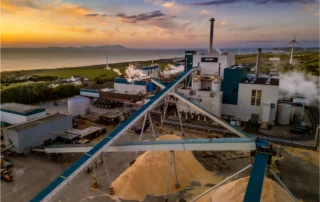
Holmen Workington increases sustainable power generation with HISS
Holmen Paper Mill in Workington, UK, identified an opportunity [...]

Interview with Hans Ladum-Poulsen, Heat Management’s newest representative
With many years of experience in the boiler and [...]

Innovative Process Analytics: Tackling Recovery Boiler Carryover Challenges
Your recovery boiler is the heart of your pulp mill. [...]
Extending Boiler Lifespan: Preventive Strategies and Advanced Cleaning Systems Explained
November 26, 2025 /
That creeping dread in the back of your mind? It’s the sound of your boiler aging. It’s the slow, silent killer of plant efficiency—the gradual buildup of soot and slag that strangles performance, drives up fuel costs, and pushes your most critical asset toward a premature, and expensive, end.
What if that end date wasn’t fixed? What if you could seize control, pushing back against the relentless march of degradation? The truth is, extending a boiler’s operational life isn’t about luck; it’s about strategy. It requires a fundamental shift from a reactive culture of frantic repairs to a proactive strategy of relentless prevention.
This guide is your roadmap. We will cover the non-negotiable maintenance fundamentals every engineer must master. Then, we will dive deep into the advanced cleaning technologies that attack the root causes of wear and tear, transforming your boiler from a ticking clock into a long-term, high-performance asset.
The True Cost of Boiler Degradation: An Engineer’s Perspective
Ignoring the slow decay of your boiler is like ignoring a crack in a dam. At first, it’s a trickle—a slight dip in steam output, a minor bump in fuel consumption. But that trickle always becomes a flood, and the costs are far greater than a simple repair bill.
This is the reality of creeping inefficiency. As fouling accumulates on heat transfer surfaces, your boiler has to work harder and burn more fuel to produce the same amount of energy. This isn’t just a minor expense; it’s a continuous drain on your operational budget. Inefficient conventional cleaning methods often waste enormous amounts of energy; for example, in traditional sootblowing, over 90% of the cleaning effect happens on the initial steam impact, meaning the rest is wasted time and steam, as noted in a report by Bioenergy International.
Beyond the fuel costs, uncontrolled fouling wages a physical war on your equipment. Thick, uneven deposits create thermal stress, causing metal to expand and contract unevenly, which accelerates tube wear. Worse, these deposits can trap corrosive elements against the tube surfaces, leading to pitting, leaks, and the catastrophic risk of an unplanned shutdown—a domino effect that can halt your entire operation. This degradation also directly impacts your environmental commitments, as poor combustion and heat transfer can increase CO₂, NOx, and particulate emissions, putting your compliance permits at risk.
Foundational Preventive Maintenance for Boilers: The Non-Negotiables
Before you can win the war against degradation, you must master the fundamentals of defense. These are the daily, weekly, and monthly disciplines that form the bedrock of a long and healthy boiler life. Skipping these steps is like building a skyscraper on a foundation of sand.
Water Treatment & Chemistry
The lifeblood of your boiler is its water. Improperly treated feedwater is a primary cause of internal scaling and corrosion, silently eating away at your equipment from the inside out. Rigorous monitoring and control of feedwater chemistry to prevent mineral deposits and maintain proper pH levels is not optional; it is the first line of defense in preserving the integrity of your boiler’s internal surfaces.
Combustion Tuning & Analysis
An inefficient fire is a dirty fire. Poor fuel-air ratios lead to incomplete combustion, which is a direct cause of the slagging and fouling that choke your heat transfer surfaces. Regular combustion analysis and tuning are critical to ensure you are getting the most energy out of every unit of fuel while minimizing the creation of harmful deposits. This is a core principle of overall plant efficiency, a focus of optimization leaders like Valmet in their CHP plant solutions.
Routine Mechanical Inspections
You can’t fix what you can’t see. A disciplined schedule of visual inspections, supplemented by advanced techniques like ultrasonic thickness testing, is essential for catching signs of wear, erosion, and corrosion before they become critical failures. This hands-on approach provides the ground-truth data needed to validate your operational strategy and make informed maintenance decisions.
These fundamentals are the table stakes for boiler longevity. But they are defensive measures. To truly extend your boiler’s life and maximize its performance, you must go on the offensive against the dynamic, real-time challenge of deposit buildup—and that requires a more advanced approach.
The Next Frontier: Advanced Cleaning Systems for Proactive Fouling Control
Mastering the fundamentals gets you in the game. But winning the game—achieving decades of reliable, efficient operation—requires moving beyond scheduled, manual interventions. The next frontier is the deployment of intelligent, automated systems that prevent fouling before it can take hold.
High-Impact Sootblowing for Targeted Deposit Removal
Think about conventional sootblowing. It’s often a brute-force, timed event—a massive blast of steam that uses far more energy than necessary and subjects boiler tubes to repeated, damaging thermal shock. This “more is more” approach not only wastes a valuable resource but actively contributes to the erosion and wear you’re trying to prevent.
The intelligent alternative is a system engineered for precision and efficiency. The High Impact Sootblowing System (HISS®) represents this shift. Instead of wasteful, full-cycle blasts, HISS® optimizes the steam jet power and cleaning sequence to deliver maximum cleaning impact with minimal steam consumption. By focusing energy where it’s needed most, it removes stubborn deposits more effectively while drastically reducing the thermal stress and erosion that shorten tube life. This is a core strategy for optimizing boiler efficiency using advanced sootblowing techniques.
The impact is immediate and measurable. Plants using this technology see a dramatic reduction in steam usage, a sustained improvement in heat transfer, and a significant decrease in long-term tube wear. This isn’t just cleaning; it’s a targeted, strategic strike that directly contributes to a longer, more productive boiler lifespan.
Non-Intrusive Infrasound Cleaning for Continuous Prevention
Some areas of a boiler, like economizers, air preheaters, and SCRs, are notoriously difficult to clean with conventional methods. They are often sensitive to mechanical force or thermal shock, allowing fine ash and particulate to gradually build up, creating performance-killing blockages that require costly manual cleaning shutdowns.
This is where a non-intrusive, preventive technology becomes essential. Infrasound Cleaning operates on a simple yet powerful principle. It generates low-frequency, high-power acoustic waves that create a pervasive vibration throughout the boiler cavity, fluidizing fine particles and preventing them from sintering together to form hard, stubborn deposits.
Because it operates continuously and without any mechanical contact, it keeps these critical downstream areas clean without imposing any thermal or mechanical stress on the equipment. This proactive approach ensures that heat transfer surfaces remain consistently efficient, preventing the gradual degradation that forces you into expensive downtime. It is a cornerstone of preventing boiler fouling in biomass plants and other sensitive applications.
The Power of Data: From Scheduled Maintenance to Predictive Longevity
The most profound shift in extending boiler lifespan is moving from a calendar to a dashboard. Cleaning and maintenance should not be dictated by a fixed schedule, but by the real-time condition of your boiler. This data-driven approach, a key tenet of Industry 4.0, transforms maintenance from a cost center into a strategic advantage.
This means replacing time-based cleaning with condition-based cleaning. Why run a sootblowing cycle if the surfaces are already clean? Intelligent systems use sensors and analytics to trigger cleaning only when and where it is needed, saving energy, reducing wear, and maximizing impact. This is the core of implementing predictive maintenance strategies with real-time analytics.
A prime example of this predictive power is the Carryover Early Warning System. In recovery boilers, black liquor carryover can form intensely corrosive deposits that cause rapid, catastrophic tube failure. This patented system uses advanced sensors to detect carryover before it reaches the superheaters, giving operators an early warning to correct the process upset and prevent a major cause of premature boiler failure. Similarly, process analytics tools like Acospector™ provide real-time fluid data, allowing engineers to optimize combustion and eliminate the very conditions that cause fouling in the first place.
A Long-Lasting Boiler is an Efficient, Reliable, and Sustainable Asset
Extending the life of your boiler is not a single action, but a strategic commitment. It is a two-pronged approach that demands both a mastery of preventive maintenance fundamentals and the courage to embrace advanced technologies that proactively manage the forces of degradation. By combining disciplined operations with intelligent systems like HISS® and Infrasound Cleaning, you can fundamentally change your boiler’s destiny.
A long-lasting boiler isn’t just an old piece of equipment that refuses to fail. It is a highly efficient, supremely reliable, and sustainable asset that forms the profitable core of your entire plant. It is proof that with the right strategy, you can turn your biggest liability into your most durable advantage.
See the technical data behind our HISS® technology. Download the HISS® Performance Whitepaper.
Latest news & articles
Holmen Workington increases sustainable power generation with HISS
Holmen Paper Mill in Workington, UK, identified an opportunity [...]
Interview with Hans Ladum-Poulsen, Heat Management’s newest representative
With many years of experience in the boiler and [...]
Innovative Process Analytics: Tackling Recovery Boiler Carryover Challenges
Your recovery boiler is the heart of your pulp mill. [...]