

The Hidden Costs of Conventional Sootblowing
What if the very tool you rely on to keep your boiler clean is secretly one of its biggest drains on performance and profit? It’s the great paradox of plant management. You blast high-pressure steam to improve heat transfer, but that same process can consume a staggering 5-10% of your boiler’s total steam production, turning a critical maintenance task into a massive operational expense.
This isn’t just a cost of doing business; it’s a symptom of an outdated, brute-force strategy. Unoptimized, time-based sootblowing wastes energy, accelerates component wear, and traps your team in a reactive maintenance cycle. It’s like using a sledgehammer when you need a scalpel.
But there is a better way. This article will guide you beyond the conventional, exploring how advanced, data-driven sootblowing techniques transform this process from a necessary evil into a strategic tool for maximizing boiler efficiency. We will show you how to shift from a reactive guessing game to a predictive, data-driven strategy that boosts output, cuts costs, and secures your plant’s reliability.
The Hidden Costs of Conventional Sootblowing
The true price of an outdated sootblowing strategy isn’t just on the steam flow meter; it’s hidden in your fuel bills, your maintenance logs, and your production targets. It’s a slow, steady drain on resources that many have come to accept as normal. But accepting it means leaving money on the table every single day.
Excessive Steam Consumption
Think about it. Every unnecessary blast of high-pressure steam is profit vanishing into thin air. When sootblowers operate on a fixed timer, they activate whether the surfaces are dirty or not, leading to immense waste. This direct hit to your operational expenditure is often the most visible cost, but it’s only the beginning of the story.
Compromised Heat Transfer & Efficiency Loss
Ineffective cleaning has a far more insidious effect. It leaves behind stubborn, insulating layers of ash and soot on your heat transfer surfaces. This forces your boiler to burn more fuel just to maintain the same steam output, directly impacting your bottom line and increasing emissions. For a deeper analysis of this critical relationship, explore these insights on maximizing heat transfer efficiency with smart cleaning systems.
The Flaw of Time-Based Schedules
The clock is a terrible manager for your boiler. A rigid schedule—cleaning every eight hours, for example—is fundamentally flawed because fouling doesn’t happen on a predictable schedule. This “one-size-fits-all” approach inevitably leads to two failure modes: you either clean surfaces that are already clean, wasting steam and causing erosion, or you allow other areas to become dangerously fouled, risking a costly unplanned shutdown.
The Pillars of Advanced Sootblowing
The solution isn’t to blow more steam; it’s to blow smarter. The future of boiler optimization is built on a foundation of precision, data, and intelligent engineering. By shifting from a philosophy of brute force to one of strategic impact, you can achieve superior cleaning results while dramatically reducing resource consumption.
Condition-Based Cleaning: Letting Data Drive the Process
Stop guessing. Start knowing. Instead of relying on a timer, condition-based cleaning uses real-time data from sensors monitoring heat flux, flue gas temperatures, and steam flow. This approach allows you to identify exactly where and when cleaning is needed, transforming sootblowing into a precise, on-demand activity.
This philosophy is the core of modern process analytics, where intelligent systems provide the insights needed for smarter operational decisions. By understanding the actual condition of your boiler second by second, you can deploy resources only when they will have the maximum effect. This is the essence of how data-driven cleaning solutions are transforming industrial boiler operations.
Maximizing Impact, Minimizing Consumption: The Engineering of Precision
It’s not about how much steam you use. It’s about how you use it. Research shows that over 90% of a sootblower’s cleaning effect occurs at the initial impact of the steam jet, making the return stroke largely inefficient. Advanced systems, like the High Impact Sootblowing System (HISS®), are engineered around this principle.
By optimizing nozzle design, pressure control, and jet velocity, these systems maximize the cleaning power of that first impact. This allows them to achieve a deeper, more effective clean with significantly less steam. It’s a fundamental shift from volume to velocity, delivering superior results through superior engineering.
Integrating Complementary Technologies for Fouling Prevention
The most effective cleaning strategy isn’t just about removing soot; it’s about preventing it from forming in the first place. This is where complementary technologies like infrasound cleaning come into play. By emitting low-frequency acoustic waves, these systems create vibrations that prevent loose ash particles from sintering together and forming hard, difficult-to-remove deposits.
This proactive approach creates a powerful synergy. The infrasound keeps deposits light and fluffy, making subsequent sootblowing far more effective and less frequent. This integrated strategy is particularly crucial in challenging environments like biomass plants, as detailed in this guide to preventing boiler fouling with infrasound cleaning.
Predictive Analytics and Early Warning Systems
What if you could stop a catastrophic fouling event before it even starts? This is the power of moving beyond reactive cleaning to predictive analytics. In a recovery boiler, for example, detecting a black liquor carryover event in its earliest stages can prevent the rapid, severe fouling that leads to emergency shutdowns.
Early warning systems use sophisticated monitoring to identify process deviations that signal an impending fouling problem. This gives operators the critical time needed to adjust parameters and prevent the issue from escalating. It represents the ultimate evolution in boiler management: from cleaning up messes to preventing them entirely, a core benefit of predictive boiler maintenance with Acospector™.
The Measurable Impact of an Optimized Strategy
Adopting these advanced techniques isn’t just an engineering exercise; it’s a direct investment in your plant’s financial and operational health. The returns are not abstract—they are clear, quantifiable, and appear directly on your balance sheet and performance reports. This is where technical solutions translate into the business outcomes that matter most.
Quantifiable Gains in Boiler Efficiency & Output
When your heat transfer surfaces are consistently cleaner, your boiler works smarter, not harder. Plants that implement an optimized sootblowing strategy often see a 1-3% improvement in thermal efficiency. This translates directly into reduced fuel consumption to achieve the same output, delivering significant cost savings year after year.
Drastic Reductions in Sootblower Steam Consumption
The most immediate and dramatic impact is on your steam usage. By shifting from a time-based schedule to a precise, condition-based approach, reductions in sootblower steam consumption of 30-50% are consistently achievable. This frees up valuable steam for production and drastically cuts the operational cost of the sootblowing system itself, a key factor in maximizing boiler uptime and reducing steam consumption.
Enhanced Uptime and Operational Reliability
Better cleaning means fewer problems. An intelligent strategy reduces the risk of severe fouling that can lead to unplanned shutdowns for manual cleaning. Furthermore, by using less steam and applying it more effectively, you minimize the risk of tube erosion, extending the life of your boiler components and enhancing overall plant reliability.
Achieving Sustainability & ESG Targets
In today’s world, efficiency is sustainability. Every unit of fuel and steam you save directly reduces your plant’s carbon footprint. These measurable reductions in CO₂ emissions are critical for meeting increasingly stringent regulatory requirements and corporate Environmental, Social, and Governance (ESG) goals, as demonstrated in these real-world success stories of emission reductions.
From Maintenance Task to Performance Driver
The era of brute-force, “set-it-and-forget-it” sootblowing is over. The question is no longer when to clean, but why, where, and how to clean with surgical precision. Advanced sootblowing is a strategic, data-driven discipline that transforms a costly maintenance chore into a powerful driver of performance.
The future of boiler management is intelligent, precise, and predictive. As a world-leading cleantech company, we’ve seen firsthand how this shift empowers plants to unlock new levels of efficiency and reliability. Investing in the optimization of this critical process is a direct investment in your plant’s profitability, its resilience, and its sustainable future.
Ready to see the impact of precision engineering in action? See how our High Impact Sootblowing System helped a major pulp mill reduce its steam consumption by 40%. Read the case study.
Latest news & articles
Holmen Workington increases sustainable power generation with HISS
Holmen Paper Mill in Workington, UK, identified an opportunity [...]

Interview with Hans Ladum-Poulsen, Heat Management’s newest representative
With many years of experience in the boiler and [...]

Innovative Process Analytics: Tackling Recovery Boiler Carryover Challenges
Your recovery boiler is the heart of your pulp mill. [...]
Optimizing Boiler Efficiency Using Advanced Sootblowing Techniques
December 2, 2025 /
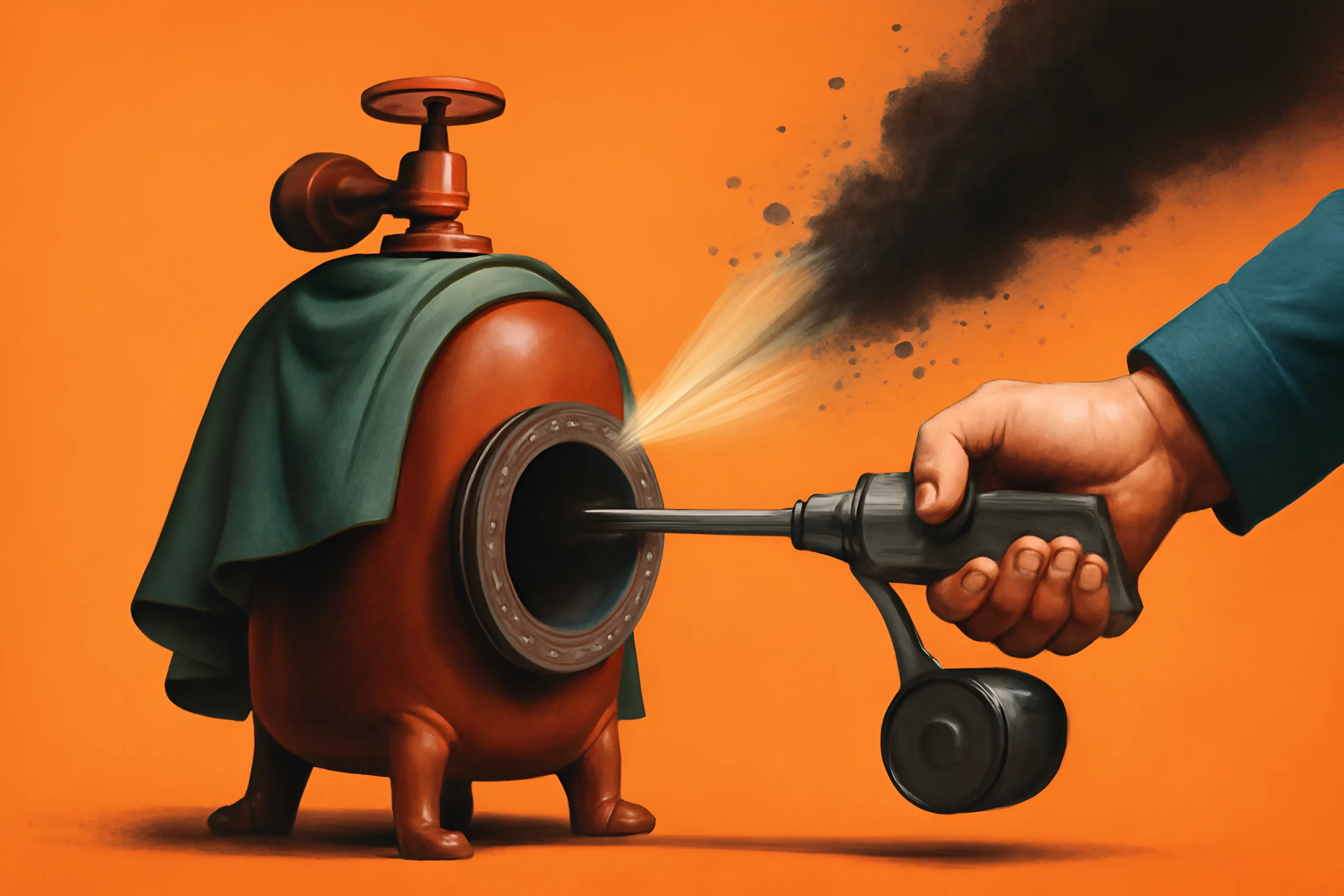
The Hidden Costs of Conventional Sootblowing
What if the very tool you rely on to keep your boiler clean is secretly one of its biggest drains on performance and profit? It’s the great paradox of plant management. You blast high-pressure steam to improve heat transfer, but that same process can consume a staggering 5-10% of your boiler’s total steam production, turning a critical maintenance task into a massive operational expense.
This isn’t just a cost of doing business; it’s a symptom of an outdated, brute-force strategy. Unoptimized, time-based sootblowing wastes energy, accelerates component wear, and traps your team in a reactive maintenance cycle. It’s like using a sledgehammer when you need a scalpel.
But there is a better way. This article will guide you beyond the conventional, exploring how advanced, data-driven sootblowing techniques transform this process from a necessary evil into a strategic tool for maximizing boiler efficiency. We will show you how to shift from a reactive guessing game to a predictive, data-driven strategy that boosts output, cuts costs, and secures your plant’s reliability.
The Hidden Costs of Conventional Sootblowing
The true price of an outdated sootblowing strategy isn’t just on the steam flow meter; it’s hidden in your fuel bills, your maintenance logs, and your production targets. It’s a slow, steady drain on resources that many have come to accept as normal. But accepting it means leaving money on the table every single day.
Excessive Steam Consumption
Think about it. Every unnecessary blast of high-pressure steam is profit vanishing into thin air. When sootblowers operate on a fixed timer, they activate whether the surfaces are dirty or not, leading to immense waste. This direct hit to your operational expenditure is often the most visible cost, but it’s only the beginning of the story.
Compromised Heat Transfer & Efficiency Loss
Ineffective cleaning has a far more insidious effect. It leaves behind stubborn, insulating layers of ash and soot on your heat transfer surfaces. This forces your boiler to burn more fuel just to maintain the same steam output, directly impacting your bottom line and increasing emissions. For a deeper analysis of this critical relationship, explore these insights on maximizing heat transfer efficiency with smart cleaning systems.
The Flaw of Time-Based Schedules
The clock is a terrible manager for your boiler. A rigid schedule—cleaning every eight hours, for example—is fundamentally flawed because fouling doesn’t happen on a predictable schedule. This “one-size-fits-all” approach inevitably leads to two failure modes: you either clean surfaces that are already clean, wasting steam and causing erosion, or you allow other areas to become dangerously fouled, risking a costly unplanned shutdown.
The Pillars of Advanced Sootblowing
The solution isn’t to blow more steam; it’s to blow smarter. The future of boiler optimization is built on a foundation of precision, data, and intelligent engineering. By shifting from a philosophy of brute force to one of strategic impact, you can achieve superior cleaning results while dramatically reducing resource consumption.
Condition-Based Cleaning: Letting Data Drive the Process
Stop guessing. Start knowing. Instead of relying on a timer, condition-based cleaning uses real-time data from sensors monitoring heat flux, flue gas temperatures, and steam flow. This approach allows you to identify exactly where and when cleaning is needed, transforming sootblowing into a precise, on-demand activity.
This philosophy is the core of modern process analytics, where intelligent systems provide the insights needed for smarter operational decisions. By understanding the actual condition of your boiler second by second, you can deploy resources only when they will have the maximum effect. This is the essence of how data-driven cleaning solutions are transforming industrial boiler operations.
Maximizing Impact, Minimizing Consumption: The Engineering of Precision
It’s not about how much steam you use. It’s about how you use it. Research shows that over 90% of a sootblower’s cleaning effect occurs at the initial impact of the steam jet, making the return stroke largely inefficient. Advanced systems, like the High Impact Sootblowing System (HISS®), are engineered around this principle.
By optimizing nozzle design, pressure control, and jet velocity, these systems maximize the cleaning power of that first impact. This allows them to achieve a deeper, more effective clean with significantly less steam. It’s a fundamental shift from volume to velocity, delivering superior results through superior engineering.
Integrating Complementary Technologies for Fouling Prevention
The most effective cleaning strategy isn’t just about removing soot; it’s about preventing it from forming in the first place. This is where complementary technologies like infrasound cleaning come into play. By emitting low-frequency acoustic waves, these systems create vibrations that prevent loose ash particles from sintering together and forming hard, difficult-to-remove deposits.
This proactive approach creates a powerful synergy. The infrasound keeps deposits light and fluffy, making subsequent sootblowing far more effective and less frequent. This integrated strategy is particularly crucial in challenging environments like biomass plants, as detailed in this guide to preventing boiler fouling with infrasound cleaning.
Predictive Analytics and Early Warning Systems
What if you could stop a catastrophic fouling event before it even starts? This is the power of moving beyond reactive cleaning to predictive analytics. In a recovery boiler, for example, detecting a black liquor carryover event in its earliest stages can prevent the rapid, severe fouling that leads to emergency shutdowns.
Early warning systems use sophisticated monitoring to identify process deviations that signal an impending fouling problem. This gives operators the critical time needed to adjust parameters and prevent the issue from escalating. It represents the ultimate evolution in boiler management: from cleaning up messes to preventing them entirely, a core benefit of predictive boiler maintenance with Acospector™.
The Measurable Impact of an Optimized Strategy
Adopting these advanced techniques isn’t just an engineering exercise; it’s a direct investment in your plant’s financial and operational health. The returns are not abstract—they are clear, quantifiable, and appear directly on your balance sheet and performance reports. This is where technical solutions translate into the business outcomes that matter most.
Quantifiable Gains in Boiler Efficiency & Output
When your heat transfer surfaces are consistently cleaner, your boiler works smarter, not harder. Plants that implement an optimized sootblowing strategy often see a 1-3% improvement in thermal efficiency. This translates directly into reduced fuel consumption to achieve the same output, delivering significant cost savings year after year.
Drastic Reductions in Sootblower Steam Consumption
The most immediate and dramatic impact is on your steam usage. By shifting from a time-based schedule to a precise, condition-based approach, reductions in sootblower steam consumption of 30-50% are consistently achievable. This frees up valuable steam for production and drastically cuts the operational cost of the sootblowing system itself, a key factor in maximizing boiler uptime and reducing steam consumption.
Enhanced Uptime and Operational Reliability
Better cleaning means fewer problems. An intelligent strategy reduces the risk of severe fouling that can lead to unplanned shutdowns for manual cleaning. Furthermore, by using less steam and applying it more effectively, you minimize the risk of tube erosion, extending the life of your boiler components and enhancing overall plant reliability.
Achieving Sustainability & ESG Targets
In today’s world, efficiency is sustainability. Every unit of fuel and steam you save directly reduces your plant’s carbon footprint. These measurable reductions in CO₂ emissions are critical for meeting increasingly stringent regulatory requirements and corporate Environmental, Social, and Governance (ESG) goals, as demonstrated in these real-world success stories of emission reductions.
From Maintenance Task to Performance Driver
The era of brute-force, “set-it-and-forget-it” sootblowing is over. The question is no longer when to clean, but why, where, and how to clean with surgical precision. Advanced sootblowing is a strategic, data-driven discipline that transforms a costly maintenance chore into a powerful driver of performance.
The future of boiler management is intelligent, precise, and predictive. As a world-leading cleantech company, we’ve seen firsthand how this shift empowers plants to unlock new levels of efficiency and reliability. Investing in the optimization of this critical process is a direct investment in your plant’s profitability, its resilience, and its sustainable future.
Ready to see the impact of precision engineering in action? See how our High Impact Sootblowing System helped a major pulp mill reduce its steam consumption by 40%. Read the case study.
Latest news & articles
Holmen Workington increases sustainable power generation with HISS
Holmen Paper Mill in Workington, UK, identified an opportunity [...]
Interview with Hans Ladum-Poulsen, Heat Management’s newest representative
With many years of experience in the boiler and [...]
Innovative Process Analytics: Tackling Recovery Boiler Carryover Challenges
Your recovery boiler is the heart of your pulp mill. [...]