
Reducing Steam Consumption Through Optimized Boiler Cleaning Techniques
February 26, 2026 /

Steam is the lifeblood of your plant. It drives your turbines, heats your processes, and powers your production. But what happens when this vital, expensive utility becomes a major operational cost in its own right?
You face an operational paradox every single day. You must expend your most valuable resource—steam—to maintain the very asset that produces it. Conventional boiler cleaning often operates on a brute-force principle, blindly blasting huge volumes of steam on a fixed schedule. This approach is not just inefficient; it’s a constant drain on your bottom line and a source of unnecessary wear on your equipment.
This isn’t just about tweaking a valve or adjusting a schedule. This is about fundamentally rethinking your approach to boiler maintenance. We will provide a technical breakdown of how moving from outdated methods to intelligent, optimized boiler cleaning techniques can drastically reduce steam consumption. This shift leads to direct energy savings, superior heat transfer, and the kind of operational reliability that gives you a true competitive edge.
The Fundamental Link: Why Inefficient Cleaning Inflates Steam Consumption
Let’s be brutally honest. Every kilogram of steam used for sootblowing is a kilogram you can’t use for power generation or process heating. It is a direct, measurable, and often unnecessarily high operational cost.
The problem is compounded by the double impact of fouling. Ineffective cleaning forces you into more frequent or longer cleaning cycles, which directly increases your steam usage. But the hidden cost is far worse. Lingering ash and soot deposits act as an insulator on your heat transfer surfaces, forcing the boiler to burn more fuel just to maintain the same steam output. According to experts at Apex Engineering Products, even a thin 3/16-inch layer of scale can increase your energy consumption by a staggering 27%.
Many operators fall into the trap of thinking “more is better.” They crank up the steam pressure or increase cleaning frequency, hoping to blast the problem away. This strategy not only yields diminishing returns but actively damages your equipment through tube erosion and thermal stress, creating a vicious cycle of inefficiency and costly repairs. It’s time to break that cycle by understanding that true boiler optimization comes from precision, not pressure.
A Technical Comparison: Conventional vs. Optimized Boiler Cleaning Techniques
The difference between wasting steam and leveraging it comes down to the technology you deploy. The old way is costly and reactive. The new way is intelligent, precise, and profitable.
Conventional Approach: The Inefficiencies of Scheduled, High-Volume Sootblowing
Imagine trying to clean a single dirty spot on your floor with a fire hose. That’s the conventional approach. It relies on fixed-schedule operation, generic nozzle designs, and uniform pressure, regardless of the boiler’s actual condition.
This method is fundamentally flawed. It wastes incredible amounts of energy cleaning surfaces that are already clean or using poorly designed nozzles that dissipate steam energy long before it impacts the deposits. Because it operates on a simple timer, it is purely reactive, completely blind to the real-time fouling conditions inside your boiler. This reliance on sheer volume over efficiency is a primary driver of high steam consumption.
Optimized Technique 1: High-Impact, Low-Consumption Sootblowing (HISS®)
Now, imagine cleaning that same spot with a high-pressure, surgical tool. That is the engineering principle behind High-Impact Sootblowing (HISS®). Advanced nozzle design and a deep understanding of steam mechanics create a coherent, high-impact jet that maximizes the transfer of kinetic energy directly to the deposits.
The result is a cleaning force that is far superior to conventional methods, achieved with significantly less steam mass flow. Studies show that over 90% of the cleaning effect from a traditional sootblower occurs on the first impact, making subsequent blasts largely wasteful. HISS® focuses all its power on that critical first impact, providing a powerful steam reduction strategy that improves cleaning effectiveness.
This isn’t just an incremental improvement; it’s a paradigm shift. By focusing on the efficiency of the steam jet rather than its volume, you directly address the goal of reducing steam consumption while achieving a cleaner, more efficient boiler. You can explore a deeper comparison of sootblowing technologies to see the performance data for yourself.
Optimized Technique 2: Data-Driven, On-Demand Cleaning
The greatest waste in any process is doing work that doesn’t need to be done. Shifting from “cleaning by schedule” to “cleaning by need” is one of the most powerful optimization levers you can pull. This is the core of a data-driven approach.
Modern process analytics and advanced sensors can monitor key performance indicators like heat transfer efficiency in real-time. This technology detects the exact location and severity of fouling as it develops. Instead of guessing, you know precisely when and where your boiler needs attention.
With a data-driven cleaning solution, sootblowing is initiated only when performance metrics dip below a set threshold. This completely eliminates unnecessary cleaning cycles, saving vast amounts of steam over the operational year. You transform your cleaning system from a blunt instrument into a responsive, intelligent network.
Optimized Technique 3: Proactive Fouling Prevention with Infrasound
What if you could stop the problem before it even starts? The most effective way to reduce steam consumption for cleaning is to reduce the need for cleaning in the first place. This is where proactive fouling prevention with infrasound technology becomes a game-changer.
Infrasound cleaning systems use low-frequency, high-energy acoustic waves to create vibrations throughout the boiler. These waves keep ash and soot particles in suspension, preventing them from sintering and bonding to the heat transfer surfaces. It’s a non-intrusive method that maintains cleaner surfaces for much longer periods.
By preventing the initial buildup of hard deposits, infrasound dramatically reduces both the frequency and intensity required from your steam sootblowers. It serves as a powerful complementary technology, forming the foundation of a truly preventive boiler maintenance strategy. This proactive approach doesn’t just save steam; it also minimizes erosion and thermal fatigue on boiler tubes.
Quantifying the Impact: Measurable Results of Optimization
Adopting these techniques isn’t just about theory; it’s about delivering tangible, measurable results that directly impact your plant’s profitability and sustainability. The numbers speak for themselves.
Implementing an optimized system like HISS® can reduce sootblowing steam consumption by 30-50% compared to conventional systems. This translates into immediate and significant operational cost savings. A cleaner boiler also means better heat transfer, which reduces the amount of fuel required to produce the same output. This improvement in boiler efficiency not only cuts fuel costs but also lowers CO₂ emissions, helping you meet critical sustainability goals.
Beyond direct savings, you gain enhanced operational stability. Consistent steam temperature and pressure lead to more predictable power generation and stable process conditions, eliminating costly fluctuations and downtime. Furthermore, by using optimized pressure and reducing cleaning cycles, you minimize tube erosion, which can dramatically extend the lifespan of your boiler components and defer major capital expenses.
Consider this real-world example: A biomass power plant in Sweden integrated an on-demand cleaning strategy and reduced its annual steam consumption for sootblowing by 42%. This resulted in a full payback on their investment in less than 18 months. These are the kinds of transformative results that are possible when you move to an intelligent cleaning strategy.
Conclusion: Cleaning Smarter, Not Harder
The greatest untapped opportunity for reducing steam consumption in your plant isn’t in your turbines or your processes—it’s in the very way you maintain your boiler. Continuing with outdated, brute-force cleaning methods is like burning money to keep your assets running. It’s an endless cycle of waste, wear, and inefficiency.
The future of efficient boiler operation is intelligent, data-driven, and precise. By adopting optimized cleaning techniques—from high-impact sootblowing to proactive infrasound prevention—you can transform a significant operational cost into a powerful competitive advantage. This is how you secure lower costs, higher reliability, and a stronger, more sustainable operation for years to come.
Ready to see the engineering behind these savings? Download our technical whitepaper on High Impact Sootblowing to learn how advanced nozzle design transforms steam into a precision cleaning tool.
Curious about your plant’s potential? Explore our case study on how a pulp mill slashed its steam usage and achieved a rapid return on investment.
Latest news & articles

Meeting EU Emissions Standards Through Advanced Steam Sootblowing Technologies
The walls are closing in. For plant managers and engineers [...]
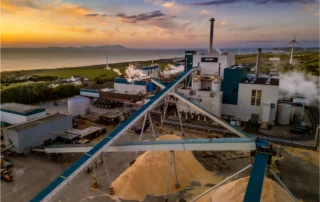
Holmen Workington increases sustainable power generation with HISS
Holmen Paper Mill in Workington, UK, identified an opportunity [...]

Interview with Hans Ladum-Poulsen, Heat Management’s newest representative
With many years of experience in the boiler and [...]
Reducing Steam Consumption Through Optimized Boiler Cleaning Techniques
February 26, 2026 /
Steam is the lifeblood of your plant. It drives your turbines, heats your processes, and powers your production. But what happens when this vital, expensive utility becomes a major operational cost in its own right?
You face an operational paradox every single day. You must expend your most valuable resource—steam—to maintain the very asset that produces it. Conventional boiler cleaning often operates on a brute-force principle, blindly blasting huge volumes of steam on a fixed schedule. This approach is not just inefficient; it’s a constant drain on your bottom line and a source of unnecessary wear on your equipment.
This isn’t just about tweaking a valve or adjusting a schedule. This is about fundamentally rethinking your approach to boiler maintenance. We will provide a technical breakdown of how moving from outdated methods to intelligent, optimized boiler cleaning techniques can drastically reduce steam consumption. This shift leads to direct energy savings, superior heat transfer, and the kind of operational reliability that gives you a true competitive edge.
The Fundamental Link: Why Inefficient Cleaning Inflates Steam Consumption
Let’s be brutally honest. Every kilogram of steam used for sootblowing is a kilogram you can’t use for power generation or process heating. It is a direct, measurable, and often unnecessarily high operational cost.
The problem is compounded by the double impact of fouling. Ineffective cleaning forces you into more frequent or longer cleaning cycles, which directly increases your steam usage. But the hidden cost is far worse. Lingering ash and soot deposits act as an insulator on your heat transfer surfaces, forcing the boiler to burn more fuel just to maintain the same steam output. According to experts at Apex Engineering Products, even a thin 3/16-inch layer of scale can increase your energy consumption by a staggering 27%.
Many operators fall into the trap of thinking “more is better.” They crank up the steam pressure or increase cleaning frequency, hoping to blast the problem away. This strategy not only yields diminishing returns but actively damages your equipment through tube erosion and thermal stress, creating a vicious cycle of inefficiency and costly repairs. It’s time to break that cycle by understanding that true boiler optimization comes from precision, not pressure.
A Technical Comparison: Conventional vs. Optimized Boiler Cleaning Techniques
The difference between wasting steam and leveraging it comes down to the technology you deploy. The old way is costly and reactive. The new way is intelligent, precise, and profitable.
Conventional Approach: The Inefficiencies of Scheduled, High-Volume Sootblowing
Imagine trying to clean a single dirty spot on your floor with a fire hose. That’s the conventional approach. It relies on fixed-schedule operation, generic nozzle designs, and uniform pressure, regardless of the boiler’s actual condition.
This method is fundamentally flawed. It wastes incredible amounts of energy cleaning surfaces that are already clean or using poorly designed nozzles that dissipate steam energy long before it impacts the deposits. Because it operates on a simple timer, it is purely reactive, completely blind to the real-time fouling conditions inside your boiler. This reliance on sheer volume over efficiency is a primary driver of high steam consumption.
Optimized Technique 1: High-Impact, Low-Consumption Sootblowing (HISS®)
Now, imagine cleaning that same spot with a high-pressure, surgical tool. That is the engineering principle behind High-Impact Sootblowing (HISS®). Advanced nozzle design and a deep understanding of steam mechanics create a coherent, high-impact jet that maximizes the transfer of kinetic energy directly to the deposits.
The result is a cleaning force that is far superior to conventional methods, achieved with significantly less steam mass flow. Studies show that over 90% of the cleaning effect from a traditional sootblower occurs on the first impact, making subsequent blasts largely wasteful. HISS® focuses all its power on that critical first impact, providing a powerful steam reduction strategy that improves cleaning effectiveness.
This isn’t just an incremental improvement; it’s a paradigm shift. By focusing on the efficiency of the steam jet rather than its volume, you directly address the goal of reducing steam consumption while achieving a cleaner, more efficient boiler. You can explore a deeper comparison of sootblowing technologies to see the performance data for yourself.
Optimized Technique 2: Data-Driven, On-Demand Cleaning
The greatest waste in any process is doing work that doesn’t need to be done. Shifting from “cleaning by schedule” to “cleaning by need” is one of the most powerful optimization levers you can pull. This is the core of a data-driven approach.
Modern process analytics and advanced sensors can monitor key performance indicators like heat transfer efficiency in real-time. This technology detects the exact location and severity of fouling as it develops. Instead of guessing, you know precisely when and where your boiler needs attention.
With a data-driven cleaning solution, sootblowing is initiated only when performance metrics dip below a set threshold. This completely eliminates unnecessary cleaning cycles, saving vast amounts of steam over the operational year. You transform your cleaning system from a blunt instrument into a responsive, intelligent network.
Optimized Technique 3: Proactive Fouling Prevention with Infrasound
What if you could stop the problem before it even starts? The most effective way to reduce steam consumption for cleaning is to reduce the need for cleaning in the first place. This is where proactive fouling prevention with infrasound technology becomes a game-changer.
Infrasound cleaning systems use low-frequency, high-energy acoustic waves to create vibrations throughout the boiler. These waves keep ash and soot particles in suspension, preventing them from sintering and bonding to the heat transfer surfaces. It’s a non-intrusive method that maintains cleaner surfaces for much longer periods.
By preventing the initial buildup of hard deposits, infrasound dramatically reduces both the frequency and intensity required from your steam sootblowers. It serves as a powerful complementary technology, forming the foundation of a truly preventive boiler maintenance strategy. This proactive approach doesn’t just save steam; it also minimizes erosion and thermal fatigue on boiler tubes.
Quantifying the Impact: Measurable Results of Optimization
Adopting these techniques isn’t just about theory; it’s about delivering tangible, measurable results that directly impact your plant’s profitability and sustainability. The numbers speak for themselves.
Implementing an optimized system like HISS® can reduce sootblowing steam consumption by 30-50% compared to conventional systems. This translates into immediate and significant operational cost savings. A cleaner boiler also means better heat transfer, which reduces the amount of fuel required to produce the same output. This improvement in boiler efficiency not only cuts fuel costs but also lowers CO₂ emissions, helping you meet critical sustainability goals.
Beyond direct savings, you gain enhanced operational stability. Consistent steam temperature and pressure lead to more predictable power generation and stable process conditions, eliminating costly fluctuations and downtime. Furthermore, by using optimized pressure and reducing cleaning cycles, you minimize tube erosion, which can dramatically extend the lifespan of your boiler components and defer major capital expenses.
Consider this real-world example: A biomass power plant in Sweden integrated an on-demand cleaning strategy and reduced its annual steam consumption for sootblowing by 42%. This resulted in a full payback on their investment in less than 18 months. These are the kinds of transformative results that are possible when you move to an intelligent cleaning strategy.
Conclusion: Cleaning Smarter, Not Harder
The greatest untapped opportunity for reducing steam consumption in your plant isn’t in your turbines or your processes—it’s in the very way you maintain your boiler. Continuing with outdated, brute-force cleaning methods is like burning money to keep your assets running. It’s an endless cycle of waste, wear, and inefficiency.
The future of efficient boiler operation is intelligent, data-driven, and precise. By adopting optimized cleaning techniques—from high-impact sootblowing to proactive infrasound prevention—you can transform a significant operational cost into a powerful competitive advantage. This is how you secure lower costs, higher reliability, and a stronger, more sustainable operation for years to come.
Ready to see the engineering behind these savings? Download our technical whitepaper on High Impact Sootblowing to learn how advanced nozzle design transforms steam into a precision cleaning tool.
Curious about your plant’s potential? Explore our case study on how a pulp mill slashed its steam usage and achieved a rapid return on investment.
Latest news & articles
Meeting EU Emissions Standards Through Advanced Steam Sootblowing Technologies
The walls are closing in. For plant managers and engineers [...]
Holmen Workington increases sustainable power generation with HISS
Holmen Paper Mill in Workington, UK, identified an opportunity [...]
Interview with Hans Ladum-Poulsen, Heat Management’s newest representative
With many years of experience in the boiler and [...]