

Diagnosing Boiler Fouling Issues: A Predictive Analytics Approach for Sustainable Operations
August 19, 2026 /

It’s 2 AM. The phone rings, jolting you awake. It’s the plant floor—the main recovery boiler just tripped. Again. You know exactly what this means: another frantic scramble, another night of lost production, and another hit to your bottom line. This is the brutal reality of reactive fouling management.
Fouling is the silent killer of boiler efficiency. It creeps in, coating vital heat transfer surfaces, forcing you to burn more fuel just to maintain steam output. This reactive “break-fix” cycle leads to a cascade of failures: unplanned downtime, sky-high fuel costs, excessive steam usage from inefficient sootblowing, and a surge in emissions that puts your compliance and sustainability goals at risk.
But what if you could see it coming? What if you could diagnose fouling in its infancy, long before it cripples your operations? It’s time to shift the paradigm. We must move from reacting to problems to predicting them, transforming predictive analytics from a buzzword into a core strategy for operational dominance. This article provides a step-by-step framework to leverage predictive analytics, diagnose fouling issues before they escalate, and unlock truly sustainable boiler operations.
The Limitations of Traditional Boiler Diagnostics
For decades, we’ve been fighting fouling with one hand tied behind our backs. The traditional diagnostic toolkit is fundamentally flawed because it relies on looking in the rearview mirror. You’re only seeing the problem after it has already done its damage.
Consider the old methods. Manual inspections are subjective, labor-intensive, and only possible during a full shutdown—the most expensive time to find a problem. Basic sensor data, like pressure and temperature differentials, are lagging indicators. By the time you see a significant pressure drop, your thermal efficiency has already plummeted, and thick, stubborn deposits have taken hold. According to industry leaders like ABB, the goal of modern monitoring is to detect abnormal behavior before failures occur, a goal that lagging indicators simply cannot meet.
Then there’s the inefficiency of scheduled cleaning cycles. This calendar-based approach is a shot in the dark, failing to account for dynamic variables like fluctuating fuel quality or changes in boiler load. You either clean too often, wasting immense amounts of energy and steam, or you clean too late, allowing performance to degrade until the next scheduled cycle. It’s a constant compromise that guarantees you are never operating at peak efficiency.
A Framework for Predictive Fouling Diagnosis
To win the war against fouling, you need superior intelligence. You need to see the entire battlefield in real-time and anticipate the enemy’s next move. Here is a proven, five-step framework for implementing a predictive analytics strategy that turns your boiler into a transparent, optimized asset.
Step 1: Comprehensive Data Acquisition
You can’t predict what you can’t measure. The first step is to move beyond basic metrics and capture a rich, high-fidelity stream of operational data. This includes flue gas temperatures across every section, steam flow rates, fuel feed composition, boiler load, sootblower activation data, and even real-time fluid dynamics. This is the foundation upon which your entire predictive model is built.
The technology that makes this possible is a system designed for non-intrusive, real-time monitoring. For instance, Acospector™ Process Analytics uses active acoustic spectroscopy to capture and centralize this critical data without ever disrupting your process. This technology provides the continuous, high-quality data stream essential for building an accurate predictive model, a concept validated by its use in demanding environments like pulp and paper mills.
Step 2: Establishing a Dynamic Performance Baseline
With comprehensive data flowing, the next step is to define what “good” looks like. This involves creating a dynamic performance baseline, essentially a “digital twin” of your boiler operating in a perfectly clean and optimal state. This isn’t a static number; it’s a sophisticated model that understands how your boiler should behave under different loads, with various fuel types, and in changing ambient conditions.
This baseline becomes your ultimate benchmark for health. Advanced modeling, similar to the heat simulation and management techniques used by Siemens, allows the system to differentiate between normal operational fluctuations and the subtle onset of a genuine problem. Without this intelligent baseline, you risk drowning in a sea of data, unable to distinguish signal from noise.
Step 3: Real-Time Anomaly Detection
This is where the predictive power is unleashed. Machine learning algorithms work around the clock, continuously comparing live operational data against your dynamic baseline. The system is trained to identify the faintest deviations that are the precursors to fouling—the whispers before the scream.
Imagine detecting a fractional decline in the heat transfer coefficient in a specific superheater section. This is an anomaly that would be completely invisible to traditional monitoring systems. Yet, it’s the earliest possible warning sign of deposit formation. This ability to detect subtle deviations before they become full-blown problems is the key to shifting from reactive to proactive maintenance.
Step 4: Root Cause Analysis & Location Pinpointing
A true diagnostic system doesn’t just tell you that you have a problem; it tells you where and why. This is the crucial difference between a simple alarm and actionable intelligence. The analytics model correlates dozens of data points to pinpoint the exact location and likely cause of the fouling.
For example, the system might detect fouling concentrated in the economizer. Instead of just flagging a generic “low efficiency” alert, it could correlate this with a recent change in biomass fuel moisture content, suggesting a combustion stability issue. By integrating data from specialized tools like a Carryover Early Warning System, the model can diagnose specific, high-risk events with incredible precision, giving your team the information needed to fix the root cause, not just the symptom.
Step 5: From Diagnosis to Prescription
The final step closes the loop from insight to action. The system doesn’t just diagnose; it prescribes a precise, targeted solution. This is the end of wasteful, plant-wide cleaning cycles and the beginning of surgical, on-demand maintenance.
Instead of initiating a full sootblowing sequence, the system might recommend a specific action: Initiate a high-impact cleaning cycle with the HISS® (High Impact Sootblowing System) focused on superheater pendant 3. Or, it might advise: Deploy low-frequency Infrasound Cleaning to prevent fine ash buildup in the economizer section before it sinters. This prescriptive capability ensures you use the right tool, in the right place, at the right time, maximizing impact while minimizing resource consumption.
The Measurable Impact: Linking Predictive Analytics to Sustainable Operations
Adopting a predictive framework isn’t just a technical upgrade; it’s a strategic move that delivers tangible business and environmental victories. By connecting data-driven diagnostics to your operational reality, you create a powerful engine for efficiency, reliability, and sustainability.
Enhanced Energy Efficiency & Reduced Emissions
The most immediate impact is on your fuel bill. By maintaining cleaner heat transfer surfaces, your boiler operates consistently closer to its design efficiency. This translates directly to lower fuel consumption per megawatt-hour and a quantifiable reduction in CO₂ emissions, strengthening your ESG performance and demonstrating a real commitment to sustainable operations. The ability to make immediate combustion adjustments based on live data is a game-changer for both your budget and your carbon footprint.
Optimized Resource Consumption
The shift from scheduled to on-demand, targeted cleaning unlocks massive resource savings. Instead of blasting steam based on a calendar, you clean based on actual, real-time conditions. Our clients consistently see significant reductions in sootblowing steam consumption—in some cases, by over 30%—which conserves both the water and the energy required to produce that steam. This optimization transforms a major operational cost center into a source of savings.
Increased Uptime and Asset Longevity
Finally, predictive maintenance is the ultimate defense against catastrophic failure. By catching fouling early, you prevent the severe buildups that can lead to corrosion, tube erosion, and other forms of permanent damage. This proactive stance minimizes unplanned shutdowns and extends the life of your most critical boiler components, safeguarding your assets and ensuring the long-term reliability of your entire plant.
The Future of Boiler Management is Predictive
The days of flying blind are over. We have journeyed from a world of reactive, inefficient fouling management to a new era of proactive, intelligent, and data-driven diagnostics. The technology to see inside your process, understand its health in real-time, and act with surgical precision is no longer a futuristic concept. It is a practical and essential strategy for any industrial plant serious about its competitiveness, reliability, and sustainability.
Don’t wait for the next 2 AM phone call. Take control of your operations with the power of predictive intelligence.
See how Heat Management’s Acospector™ Process Analytics provides the data intelligence to power a predictive maintenance strategy. Explore our process analytics solutions.
Latest news & articles

Meeting EU Emissions Standards Through Advanced Steam Sootblowing Technologies
The walls are closing in. For plant managers and engineers [...]
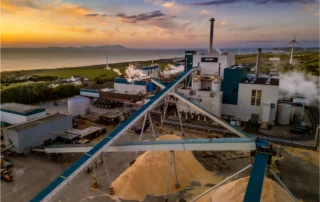
Holmen Workington increases sustainable power generation with HISS
Holmen Paper Mill in Workington, UK, identified an opportunity [...]

Interview with Hans Ladum-Poulsen, Heat Management’s newest representative
With many years of experience in the boiler and [...]
Diagnosing Boiler Fouling Issues: A Predictive Analytics Approach for Sustainable Operations
August 19, 2026 /
It’s 2 AM. The phone rings, jolting you awake. It’s the plant floor—the main recovery boiler just tripped. Again. You know exactly what this means: another frantic scramble, another night of lost production, and another hit to your bottom line. This is the brutal reality of reactive fouling management.
Fouling is the silent killer of boiler efficiency. It creeps in, coating vital heat transfer surfaces, forcing you to burn more fuel just to maintain steam output. This reactive “break-fix” cycle leads to a cascade of failures: unplanned downtime, sky-high fuel costs, excessive steam usage from inefficient sootblowing, and a surge in emissions that puts your compliance and sustainability goals at risk.
But what if you could see it coming? What if you could diagnose fouling in its infancy, long before it cripples your operations? It’s time to shift the paradigm. We must move from reacting to problems to predicting them, transforming predictive analytics from a buzzword into a core strategy for operational dominance. This article provides a step-by-step framework to leverage predictive analytics, diagnose fouling issues before they escalate, and unlock truly sustainable boiler operations.
The Limitations of Traditional Boiler Diagnostics
For decades, we’ve been fighting fouling with one hand tied behind our backs. The traditional diagnostic toolkit is fundamentally flawed because it relies on looking in the rearview mirror. You’re only seeing the problem after it has already done its damage.
Consider the old methods. Manual inspections are subjective, labor-intensive, and only possible during a full shutdown—the most expensive time to find a problem. Basic sensor data, like pressure and temperature differentials, are lagging indicators. By the time you see a significant pressure drop, your thermal efficiency has already plummeted, and thick, stubborn deposits have taken hold. According to industry leaders like ABB, the goal of modern monitoring is to detect abnormal behavior before failures occur, a goal that lagging indicators simply cannot meet.
Then there’s the inefficiency of scheduled cleaning cycles. This calendar-based approach is a shot in the dark, failing to account for dynamic variables like fluctuating fuel quality or changes in boiler load. You either clean too often, wasting immense amounts of energy and steam, or you clean too late, allowing performance to degrade until the next scheduled cycle. It’s a constant compromise that guarantees you are never operating at peak efficiency.
A Framework for Predictive Fouling Diagnosis
To win the war against fouling, you need superior intelligence. You need to see the entire battlefield in real-time and anticipate the enemy’s next move. Here is a proven, five-step framework for implementing a predictive analytics strategy that turns your boiler into a transparent, optimized asset.
Step 1: Comprehensive Data Acquisition
You can’t predict what you can’t measure. The first step is to move beyond basic metrics and capture a rich, high-fidelity stream of operational data. This includes flue gas temperatures across every section, steam flow rates, fuel feed composition, boiler load, sootblower activation data, and even real-time fluid dynamics. This is the foundation upon which your entire predictive model is built.
The technology that makes this possible is a system designed for non-intrusive, real-time monitoring. For instance, Acospector™ Process Analytics uses active acoustic spectroscopy to capture and centralize this critical data without ever disrupting your process. This technology provides the continuous, high-quality data stream essential for building an accurate predictive model, a concept validated by its use in demanding environments like pulp and paper mills.
Step 2: Establishing a Dynamic Performance Baseline
With comprehensive data flowing, the next step is to define what “good” looks like. This involves creating a dynamic performance baseline, essentially a “digital twin” of your boiler operating in a perfectly clean and optimal state. This isn’t a static number; it’s a sophisticated model that understands how your boiler should behave under different loads, with various fuel types, and in changing ambient conditions.
This baseline becomes your ultimate benchmark for health. Advanced modeling, similar to the heat simulation and management techniques used by Siemens, allows the system to differentiate between normal operational fluctuations and the subtle onset of a genuine problem. Without this intelligent baseline, you risk drowning in a sea of data, unable to distinguish signal from noise.
Step 3: Real-Time Anomaly Detection
This is where the predictive power is unleashed. Machine learning algorithms work around the clock, continuously comparing live operational data against your dynamic baseline. The system is trained to identify the faintest deviations that are the precursors to fouling—the whispers before the scream.
Imagine detecting a fractional decline in the heat transfer coefficient in a specific superheater section. This is an anomaly that would be completely invisible to traditional monitoring systems. Yet, it’s the earliest possible warning sign of deposit formation. This ability to detect subtle deviations before they become full-blown problems is the key to shifting from reactive to proactive maintenance.
Step 4: Root Cause Analysis & Location Pinpointing
A true diagnostic system doesn’t just tell you that you have a problem; it tells you where and why. This is the crucial difference between a simple alarm and actionable intelligence. The analytics model correlates dozens of data points to pinpoint the exact location and likely cause of the fouling.
For example, the system might detect fouling concentrated in the economizer. Instead of just flagging a generic “low efficiency” alert, it could correlate this with a recent change in biomass fuel moisture content, suggesting a combustion stability issue. By integrating data from specialized tools like a Carryover Early Warning System, the model can diagnose specific, high-risk events with incredible precision, giving your team the information needed to fix the root cause, not just the symptom.
Step 5: From Diagnosis to Prescription
The final step closes the loop from insight to action. The system doesn’t just diagnose; it prescribes a precise, targeted solution. This is the end of wasteful, plant-wide cleaning cycles and the beginning of surgical, on-demand maintenance.
Instead of initiating a full sootblowing sequence, the system might recommend a specific action: Initiate a high-impact cleaning cycle with the HISS® (High Impact Sootblowing System) focused on superheater pendant 3. Or, it might advise: Deploy low-frequency Infrasound Cleaning to prevent fine ash buildup in the economizer section before it sinters. This prescriptive capability ensures you use the right tool, in the right place, at the right time, maximizing impact while minimizing resource consumption.
The Measurable Impact: Linking Predictive Analytics to Sustainable Operations
Adopting a predictive framework isn’t just a technical upgrade; it’s a strategic move that delivers tangible business and environmental victories. By connecting data-driven diagnostics to your operational reality, you create a powerful engine for efficiency, reliability, and sustainability.
Enhanced Energy Efficiency & Reduced Emissions
The most immediate impact is on your fuel bill. By maintaining cleaner heat transfer surfaces, your boiler operates consistently closer to its design efficiency. This translates directly to lower fuel consumption per megawatt-hour and a quantifiable reduction in CO₂ emissions, strengthening your ESG performance and demonstrating a real commitment to sustainable operations. The ability to make immediate combustion adjustments based on live data is a game-changer for both your budget and your carbon footprint.
Optimized Resource Consumption
The shift from scheduled to on-demand, targeted cleaning unlocks massive resource savings. Instead of blasting steam based on a calendar, you clean based on actual, real-time conditions. Our clients consistently see significant reductions in sootblowing steam consumption—in some cases, by over 30%—which conserves both the water and the energy required to produce that steam. This optimization transforms a major operational cost center into a source of savings.
Increased Uptime and Asset Longevity
Finally, predictive maintenance is the ultimate defense against catastrophic failure. By catching fouling early, you prevent the severe buildups that can lead to corrosion, tube erosion, and other forms of permanent damage. This proactive stance minimizes unplanned shutdowns and extends the life of your most critical boiler components, safeguarding your assets and ensuring the long-term reliability of your entire plant.
The Future of Boiler Management is Predictive
The days of flying blind are over. We have journeyed from a world of reactive, inefficient fouling management to a new era of proactive, intelligent, and data-driven diagnostics. The technology to see inside your process, understand its health in real-time, and act with surgical precision is no longer a futuristic concept. It is a practical and essential strategy for any industrial plant serious about its competitiveness, reliability, and sustainability.
Don’t wait for the next 2 AM phone call. Take control of your operations with the power of predictive intelligence.
See how Heat Management’s Acospector™ Process Analytics provides the data intelligence to power a predictive maintenance strategy. Explore our process analytics solutions.
Latest news & articles
Meeting EU Emissions Standards Through Advanced Steam Sootblowing Technologies
The walls are closing in. For plant managers and engineers [...]
Holmen Workington increases sustainable power generation with HISS
Holmen Paper Mill in Workington, UK, identified an opportunity [...]
Interview with Hans Ladum-Poulsen, Heat Management’s newest representative
With many years of experience in the boiler and [...]