

How Acospector™ Process Analytics Can Revolutionize Predictive Maintenance in Industrial Boilers
September 4, 2026 /

The alert flashes at 2:17 AM. A critical boiler has tripped offline, and the deafening silence of a shutdown plant is costing you thousands of dollars with every passing minute. This is the nightmare scenario for every plant manager and process engineer—a sudden, catastrophic failure that brings production to a grinding halt.
For decades, the industry has been trapped in a painful cycle. You either react to breakdowns as they happen, absorbing the massive costs of emergency repairs and unplanned downtime, or you follow a rigid preventive schedule, replacing perfectly good parts just because the calendar says so. According to the U.S. Department of Energy, unplanned downtime can slash a plant’s productive capacity by up to 20%, a staggering loss driven by an outdated approach.
But what if you could see the future? What if you could know, with scientific certainty, that a failure was developing days or even weeks before it happened? This isn’t science fiction; it’s the power of predictive maintenance, driven by the right data. The key is shifting from guessing games to data-driven certainty, and that’s where Acospector™ process analytics for predictive maintenance transforms everything.
Why Traditional Monitoring Falls Short
The fundamental problem with conventional boiler management is that you’re flying blind. Your decisions are based on information that is dangerously out of date. You rely on manual sampling and lab results that create a critical information gap.
By the time a lab report lands on your desk, the process conditions inside your boiler have already changed. This data lag, often spanning hours or days, makes it impossible to spot the subtle, developing trends that are the true precursors to failure. As noted by experts at the International Society of Automation (ISA), effective process control depends on timely and accurate data, a standard that infrequent sampling simply cannot meet.
Traditional sensors for temperature and pressure only tell a fraction of the story. They can’t see the slow buildup of corrosive agents, the changing particle size that signals tube wear, or the shifts in fluid composition that lead to efficiency-robbing slag. You are missing the most important clues because you lack the tools to see them in real time.
How Acospector™ Bridges the Data Gap
This is where Acospector™ provides a revolutionary leap forward. It is not just another sensor; it is an advanced, in-line analytics engine designed for real-time process monitoring. It lives inside your process lines, continuously analyzing the lifeblood of your boiler—the process fluid itself.
Acospector™ delivers a constant stream of high-fidelity data on critical parameters like particle concentration, fluid composition, and density changes. This is the information that was previously invisible. Leading industrial innovators like Siemens have shown that harnessing this kind of real-time data is central to building intelligent, self-optimizing industrial systems.
The true power lies in the “analytics” advantage. The system’s software doesn’t just send you raw numbers; it translates that data into predictive trends. For example, instead of a simple alarm for high solids content, Acospector™ can identify the rate of increase in suspended solids. This allows it to predict a potential tube leak or fouling event 24-48 hours before it becomes critical, turning raw data into actionable intelligence and giving your team the one thing they need most: time.
From Theory to the Plant Floor
This technology isn’t just theoretical; it enables powerful and practical predictive maintenance strategies that you can implement today. It moves your team from a reactive footing to a proactive stance, armed with precise, data-driven insights. This approach aligns with the best practices for asset management outlined by engineering authorities like ASME (The American Society of Mechanical Engineers).
With Acospector™, early fault detection becomes a reality. You can monitor for the slightest chemical imbalances that accelerate corrosion, allowing you to intervene before significant metal loss occurs. You can also analyze changes in fluid properties that signal the onset of fouling and slagging, which allows for the optimization of cleaning cycles and supports data-driven sootblowing strategies that save energy and reduce wear. Furthermore, it provides a granular analysis of carryover events, identifying not just the occurrence but the type and severity, enabling a precise and immediate corrective action to mitigate boiler carryover risks.
Beyond preventing failures, these process control improvements actively enhance day-to-day operations. Imagine optimizing your chemical dosing based on real-time feedback, cutting chemical waste and costs significantly. Or having immediate insight into how changes in feedwater quality affect internal boiler conditions, allowing you to fine-tune your process for maximum efficiency. This is the level of control that modern industrial leaders like Emerson advocate for achieving peak operational performance.
Quantifying the Benefits of a Predictive Approach
For plant managers and stakeholders, the impact of this shift is measured in tangible results that hit the bottom line. The move from unplanned shutdowns to scheduled, targeted maintenance interventions is the single most effective way to maximize uptime and protect revenue streams. This is a core principle of the advanced manufacturing initiatives that are reshaping modern industry.
The financial benefits are immediate and substantial. You eliminate the waste of premature parts replacement and drastically reduce the exorbitant costs of emergency repairs and secondary damage from catastrophic failures. Moreover, by preventing fouling and ensuring steam purity, you maintain optimal heat transfer, which directly lowers fuel consumption. According to the International Energy Agency (IEA), improving industrial energy efficiency is one of the most critical levers for reducing both operational costs and carbon emissions.
Ultimately, this proactive approach enhances safety by addressing dangerous conditions before they can escalate, protecting your people and your critical assets. By preventing the accumulated damage from corrosion, fouling, and process upsets, you extend the operational life of your boiler components, maximizing the return on your capital investment. This is how you build a more resilient, reliable, and profitable operation.
The Future of Boiler Management is Proactive, Not Reactive
The days of flying blind are over. We have journeyed from the chaotic, costly cycle of reactive repairs to an intelligent, data-driven model of proactive control. The technology to see inside your process, to understand its behavior in real time, and to predict its future is no longer on the horizon—it is here.
Investing in advanced industrial boiler analytics is no longer a luxury; it is a competitive necessity. In an era defined by demands for higher efficiency, unwavering reliability, and greater sustainability, the ability to turn data into decisive action is what separates industry leaders from those who will be left behind. This is the future of industrial boiler management.
Heat Management is your partner in making this transformation a reality. We combine decades of deep engineering expertise with cutting-edge technology to help you achieve a new level of operational certainty.
Call to Action
See the technical specifications. Discover how Acospector™ can provide the data-driven insights your boiler operation is missing.
Latest news & articles

Meeting EU Emissions Standards Through Advanced Steam Sootblowing Technologies
The walls are closing in. For plant managers and engineers [...]
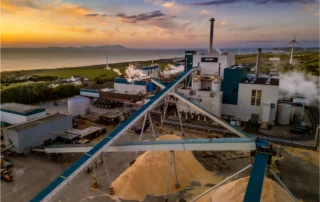
Holmen Workington increases sustainable power generation with HISS
Holmen Paper Mill in Workington, UK, identified an opportunity [...]

Interview with Hans Ladum-Poulsen, Heat Management’s newest representative
With many years of experience in the boiler and [...]
How Acospector™ Process Analytics Can Revolutionize Predictive Maintenance in Industrial Boilers
September 4, 2026 /
The alert flashes at 2:17 AM. A critical boiler has tripped offline, and the deafening silence of a shutdown plant is costing you thousands of dollars with every passing minute. This is the nightmare scenario for every plant manager and process engineer—a sudden, catastrophic failure that brings production to a grinding halt.
For decades, the industry has been trapped in a painful cycle. You either react to breakdowns as they happen, absorbing the massive costs of emergency repairs and unplanned downtime, or you follow a rigid preventive schedule, replacing perfectly good parts just because the calendar says so. According to the U.S. Department of Energy, unplanned downtime can slash a plant’s productive capacity by up to 20%, a staggering loss driven by an outdated approach.
But what if you could see the future? What if you could know, with scientific certainty, that a failure was developing days or even weeks before it happened? This isn’t science fiction; it’s the power of predictive maintenance, driven by the right data. The key is shifting from guessing games to data-driven certainty, and that’s where Acospector™ process analytics for predictive maintenance transforms everything.
Why Traditional Monitoring Falls Short
The fundamental problem with conventional boiler management is that you’re flying blind. Your decisions are based on information that is dangerously out of date. You rely on manual sampling and lab results that create a critical information gap.
By the time a lab report lands on your desk, the process conditions inside your boiler have already changed. This data lag, often spanning hours or days, makes it impossible to spot the subtle, developing trends that are the true precursors to failure. As noted by experts at the International Society of Automation (ISA), effective process control depends on timely and accurate data, a standard that infrequent sampling simply cannot meet.
Traditional sensors for temperature and pressure only tell a fraction of the story. They can’t see the slow buildup of corrosive agents, the changing particle size that signals tube wear, or the shifts in fluid composition that lead to efficiency-robbing slag. You are missing the most important clues because you lack the tools to see them in real time.
How Acospector™ Bridges the Data Gap
This is where Acospector™ provides a revolutionary leap forward. It is not just another sensor; it is an advanced, in-line analytics engine designed for real-time process monitoring. It lives inside your process lines, continuously analyzing the lifeblood of your boiler—the process fluid itself.
Acospector™ delivers a constant stream of high-fidelity data on critical parameters like particle concentration, fluid composition, and density changes. This is the information that was previously invisible. Leading industrial innovators like Siemens have shown that harnessing this kind of real-time data is central to building intelligent, self-optimizing industrial systems.
The true power lies in the “analytics” advantage. The system’s software doesn’t just send you raw numbers; it translates that data into predictive trends. For example, instead of a simple alarm for high solids content, Acospector™ can identify the rate of increase in suspended solids. This allows it to predict a potential tube leak or fouling event 24-48 hours before it becomes critical, turning raw data into actionable intelligence and giving your team the one thing they need most: time.
From Theory to the Plant Floor
This technology isn’t just theoretical; it enables powerful and practical predictive maintenance strategies that you can implement today. It moves your team from a reactive footing to a proactive stance, armed with precise, data-driven insights. This approach aligns with the best practices for asset management outlined by engineering authorities like ASME (The American Society of Mechanical Engineers).
With Acospector™, early fault detection becomes a reality. You can monitor for the slightest chemical imbalances that accelerate corrosion, allowing you to intervene before significant metal loss occurs. You can also analyze changes in fluid properties that signal the onset of fouling and slagging, which allows for the optimization of cleaning cycles and supports data-driven sootblowing strategies that save energy and reduce wear. Furthermore, it provides a granular analysis of carryover events, identifying not just the occurrence but the type and severity, enabling a precise and immediate corrective action to mitigate boiler carryover risks.
Beyond preventing failures, these process control improvements actively enhance day-to-day operations. Imagine optimizing your chemical dosing based on real-time feedback, cutting chemical waste and costs significantly. Or having immediate insight into how changes in feedwater quality affect internal boiler conditions, allowing you to fine-tune your process for maximum efficiency. This is the level of control that modern industrial leaders like Emerson advocate for achieving peak operational performance.
Quantifying the Benefits of a Predictive Approach
For plant managers and stakeholders, the impact of this shift is measured in tangible results that hit the bottom line. The move from unplanned shutdowns to scheduled, targeted maintenance interventions is the single most effective way to maximize uptime and protect revenue streams. This is a core principle of the advanced manufacturing initiatives that are reshaping modern industry.
The financial benefits are immediate and substantial. You eliminate the waste of premature parts replacement and drastically reduce the exorbitant costs of emergency repairs and secondary damage from catastrophic failures. Moreover, by preventing fouling and ensuring steam purity, you maintain optimal heat transfer, which directly lowers fuel consumption. According to the International Energy Agency (IEA), improving industrial energy efficiency is one of the most critical levers for reducing both operational costs and carbon emissions.
Ultimately, this proactive approach enhances safety by addressing dangerous conditions before they can escalate, protecting your people and your critical assets. By preventing the accumulated damage from corrosion, fouling, and process upsets, you extend the operational life of your boiler components, maximizing the return on your capital investment. This is how you build a more resilient, reliable, and profitable operation.
The Future of Boiler Management is Proactive, Not Reactive
The days of flying blind are over. We have journeyed from the chaotic, costly cycle of reactive repairs to an intelligent, data-driven model of proactive control. The technology to see inside your process, to understand its behavior in real time, and to predict its future is no longer on the horizon—it is here.
Investing in advanced industrial boiler analytics is no longer a luxury; it is a competitive necessity. In an era defined by demands for higher efficiency, unwavering reliability, and greater sustainability, the ability to turn data into decisive action is what separates industry leaders from those who will be left behind. This is the future of industrial boiler management.
Heat Management is your partner in making this transformation a reality. We combine decades of deep engineering expertise with cutting-edge technology to help you achieve a new level of operational certainty.
Call to Action
See the technical specifications. Discover how Acospector™ can provide the data-driven insights your boiler operation is missing.
Latest news & articles
Meeting EU Emissions Standards Through Advanced Steam Sootblowing Technologies
The walls are closing in. For plant managers and engineers [...]
Holmen Workington increases sustainable power generation with HISS
Holmen Paper Mill in Workington, UK, identified an opportunity [...]
Interview with Hans Ladum-Poulsen, Heat Management’s newest representative
With many years of experience in the boiler and [...]