
Meeting EU Emissions Standards Through Advanced Steam Sootblowing Technologies
October 9, 2026 /

The walls are closing in. For plant managers and engineers across the EU, the pressure from the Industrial Emissions Directive (IED) is no longer a distant concern—it’s a daily operational reality. The clock is ticking on compliance, and the stakes have never been higher.
Meeting stricter limits for NOx, SOx, and particulate matter is now a mandate, not a choice. Failure means risking heavy fines, operational sanctions, and a damaged reputation in an era of intense environmental scrutiny. While many look to complex, end-of-pipe solutions, they often miss the real source of the problem.
True, sustainable compliance begins deep inside the boiler. It starts with mastering the combustion process itself. This is the story of how optimizing your boiler’s core function through advanced steam sootblowing is the most foundational and effective strategy for meeting—and exceeding—demanding EU emissions standards.
The Regulatory Landscape: What EU Boiler Regulations Demand
To win this battle, you must first understand the battlefield. The EU’s regulatory framework is built on the principle of continuous improvement, enforced through legally binding documents that define what is achievable for modern industrial plants. This isn’t about arbitrary numbers; it’s about pushing industry toward what is technologically possible.
The core of this framework is the Industrial Emissions Directive (IED) and its associated Best Available Techniques (BAT) conclusions. These documents establish the emissions limit values (ELVs) that large combustion plants must adhere to. The regulations specifically target key pollutants that harm our environment and public health: Nitrogen Oxides (NOx), Sulphur Oxides (SOx), Carbon Monoxide (CO), and Particulate Matter (PM).
Here is the critical connection that is so often overlooked: inefficient heat transfer inside your boiler is a direct cause of higher emissions. As slagging and fouling build up on heat transfer surfaces, the boiler’s efficiency plummets. This contamination degrades heat transfer, leading to higher flue gas exit temperatures—a condition that, according to extensive research, significantly increases the formation of thermal NOx. Unstable combustion from this inefficiency also leads to spikes in CO and unburnt carbon, pushing your plant further from compliance.
The Shortcomings of Conventional Sootblowing
For decades, the answer to boiler fouling has been conventional sootblowing. But is this legacy approach still fit for purpose? The answer is a resounding no. It’s a brute-force tactic in an age that demands precision.
Traditional systems are fundamentally reactive and inefficient. They typically operate on a fixed calendar schedule or require manual intervention, cleaning blindly without regard for the boiler’s actual condition. This outdated method is like trying to perform surgery with a sledgehammer—it’s clumsy, wasteful, and often causes more problems than it solves. A technical paper from Babcock highlights how unnecessary sootblowing leads to steam waste and tube erosion, a direct hit to your operational budget and asset longevity.
The consequences are severe. You waste enormous amounts of high-value steam, a direct energy loss that inflates your operating costs. The cleaning is uneven, leaving persistent fouled areas that perpetuate the high-temperature conditions that generate emissions. Worse yet, this approach is completely unable to adapt to real-world variables like changes in fuel quality or boiler load, making consistent emissions control an impossible goal.
The Solution: Advanced Steam Sootblowing Technology
It’s time to move from brute force to precision engineering. The future of boiler cleaning isn’t about blowing more steam; it’s about making every blast count. Advanced steam sootblowing technology represents a fundamental shift from a reactive maintenance chore to a proactive, data-driven optimization strategy.
The first core principle is High-Impact Sootblowing, exemplified by our HISS® technology. By optimizing nozzle design and steam parameters, these systems generate supersonic jets with a higher peak impact pressure (PIP). Research from the University of Toronto confirms that cleaning effectiveness is directly tied to the strength of these jets. The benefit is immediate and profound: superior deposit removal using significantly less steam per cycle, directly addressing the energy waste and high costs of conventional systems.
The second principle is intelligent, on-demand operation. Instead of relying on a rigid schedule, cleaning is initiated based on real-time process data, such as heat transfer rates and flue gas temperatures. This ensures the system cleans only the sections that need it, precisely when they need it, maintaining optimally clean heat transfer surfaces at all times. This is the essence of a data-driven approach to boiler cleaning that transforms plant operations.
Finally, these advanced systems integrate with your plant’s DCS and leverage powerful process analytics, like our Acospector™ platform. This provides your engineers with clear, actionable data to understand fouling patterns and continuously refine the cleaning strategy. It turns boiler cleaning from a guessing game into a science, empowering your team to optimize for both peak efficiency and guaranteed emissions compliance.
The Measurable Impact: Connecting Advanced Sootblowing to EU Compliance
How does a smarter way to clean your boiler translate directly into meeting EU emissions targets? The connection is direct, measurable, and powerful. This isn’t just about a cleaner boiler; it’s about creating the ideal combustion environment for low-emissions performance.
First and foremost is direct NOx reduction. By maintaining pristine heat transfer surfaces, advanced sootblowing systematically lowers the Flue Gas Exit Temperature (FGET), the primary driver of thermal NOx. A mere 20°C reduction in FGET can lead to a significant drop in NOx levels, putting your plant comfortably within the BAT-associated emission levels (BAT-AELs). This is a core component of any effective strategy for achieving EU emissions compliance through boiler optimization.
Furthermore, stable furnace temperatures and consistent heat absorption result in more complete and efficient combustion. This directly minimizes the formation of Carbon Monoxide (CO) and unburnt carbon, another key regulatory target. Advanced cleaning also prevents the buildup of large, friable deposits that can break off and contribute to particulate matter (PM) emissions, helping you meet yet another critical compliance benchmark. Finally, a cleaner, more efficient boiler requires less fuel to produce the same output, leading to a direct reduction in overall CO₂ emissions and bolstering your company’s vital ESG targets.
Conclusion: Proactive Optimization is the Key to Sustainable Compliance
Meeting the EU’s stringent emissions standards is not just an environmental obligation; it is a powerful opportunity for operational excellence. The era of reactive, wasteful, and inefficient boiler maintenance is over. The path to long-term security and profitability lies in embracing smarter, data-driven technology.
The final takeaway is simple but transformative. Moving away from conventional cleaning methods toward intelligent, high-impact sootblowing systems is the most foundational step any industrial boiler operator can take. It is the key to unlocking sustainable compliance, radical efficiency gains, and enhanced boiler reliability.
This technology is no longer a futuristic concept—it is a cornerstone of the modern, data-driven industrial plant. It is the definitive answer for engineers and managers who are serious about securing their plant’s future in a world that demands both performance and responsibility.
Latest news & articles

Meeting EU Emissions Standards Through Advanced Steam Sootblowing Technologies
The walls are closing in. For plant managers and engineers [...]
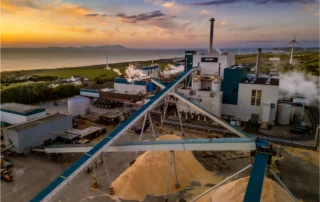
Holmen Workington increases sustainable power generation with HISS
Holmen Paper Mill in Workington, UK, identified an opportunity [...]

Interview with Hans Ladum-Poulsen, Heat Management’s newest representative
With many years of experience in the boiler and [...]
Meeting EU Emissions Standards Through Advanced Steam Sootblowing Technologies
October 9, 2026 /
The walls are closing in. For plant managers and engineers across the EU, the pressure from the Industrial Emissions Directive (IED) is no longer a distant concern—it’s a daily operational reality. The clock is ticking on compliance, and the stakes have never been higher.
Meeting stricter limits for NOx, SOx, and particulate matter is now a mandate, not a choice. Failure means risking heavy fines, operational sanctions, and a damaged reputation in an era of intense environmental scrutiny. While many look to complex, end-of-pipe solutions, they often miss the real source of the problem.
True, sustainable compliance begins deep inside the boiler. It starts with mastering the combustion process itself. This is the story of how optimizing your boiler’s core function through advanced steam sootblowing is the most foundational and effective strategy for meeting—and exceeding—demanding EU emissions standards.
The Regulatory Landscape: What EU Boiler Regulations Demand
To win this battle, you must first understand the battlefield. The EU’s regulatory framework is built on the principle of continuous improvement, enforced through legally binding documents that define what is achievable for modern industrial plants. This isn’t about arbitrary numbers; it’s about pushing industry toward what is technologically possible.
The core of this framework is the Industrial Emissions Directive (IED) and its associated Best Available Techniques (BAT) conclusions. These documents establish the emissions limit values (ELVs) that large combustion plants must adhere to. The regulations specifically target key pollutants that harm our environment and public health: Nitrogen Oxides (NOx), Sulphur Oxides (SOx), Carbon Monoxide (CO), and Particulate Matter (PM).
Here is the critical connection that is so often overlooked: inefficient heat transfer inside your boiler is a direct cause of higher emissions. As slagging and fouling build up on heat transfer surfaces, the boiler’s efficiency plummets. This contamination degrades heat transfer, leading to higher flue gas exit temperatures—a condition that, according to extensive research, significantly increases the formation of thermal NOx. Unstable combustion from this inefficiency also leads to spikes in CO and unburnt carbon, pushing your plant further from compliance.
The Shortcomings of Conventional Sootblowing
For decades, the answer to boiler fouling has been conventional sootblowing. But is this legacy approach still fit for purpose? The answer is a resounding no. It’s a brute-force tactic in an age that demands precision.
Traditional systems are fundamentally reactive and inefficient. They typically operate on a fixed calendar schedule or require manual intervention, cleaning blindly without regard for the boiler’s actual condition. This outdated method is like trying to perform surgery with a sledgehammer—it’s clumsy, wasteful, and often causes more problems than it solves. A technical paper from Babcock highlights how unnecessary sootblowing leads to steam waste and tube erosion, a direct hit to your operational budget and asset longevity.
The consequences are severe. You waste enormous amounts of high-value steam, a direct energy loss that inflates your operating costs. The cleaning is uneven, leaving persistent fouled areas that perpetuate the high-temperature conditions that generate emissions. Worse yet, this approach is completely unable to adapt to real-world variables like changes in fuel quality or boiler load, making consistent emissions control an impossible goal.
The Solution: Advanced Steam Sootblowing Technology
It’s time to move from brute force to precision engineering. The future of boiler cleaning isn’t about blowing more steam; it’s about making every blast count. Advanced steam sootblowing technology represents a fundamental shift from a reactive maintenance chore to a proactive, data-driven optimization strategy.
The first core principle is High-Impact Sootblowing, exemplified by our HISS® technology. By optimizing nozzle design and steam parameters, these systems generate supersonic jets with a higher peak impact pressure (PIP). Research from the University of Toronto confirms that cleaning effectiveness is directly tied to the strength of these jets. The benefit is immediate and profound: superior deposit removal using significantly less steam per cycle, directly addressing the energy waste and high costs of conventional systems.
The second principle is intelligent, on-demand operation. Instead of relying on a rigid schedule, cleaning is initiated based on real-time process data, such as heat transfer rates and flue gas temperatures. This ensures the system cleans only the sections that need it, precisely when they need it, maintaining optimally clean heat transfer surfaces at all times. This is the essence of a data-driven approach to boiler cleaning that transforms plant operations.
Finally, these advanced systems integrate with your plant’s DCS and leverage powerful process analytics, like our Acospector™ platform. This provides your engineers with clear, actionable data to understand fouling patterns and continuously refine the cleaning strategy. It turns boiler cleaning from a guessing game into a science, empowering your team to optimize for both peak efficiency and guaranteed emissions compliance.
The Measurable Impact: Connecting Advanced Sootblowing to EU Compliance
How does a smarter way to clean your boiler translate directly into meeting EU emissions targets? The connection is direct, measurable, and powerful. This isn’t just about a cleaner boiler; it’s about creating the ideal combustion environment for low-emissions performance.
First and foremost is direct NOx reduction. By maintaining pristine heat transfer surfaces, advanced sootblowing systematically lowers the Flue Gas Exit Temperature (FGET), the primary driver of thermal NOx. A mere 20°C reduction in FGET can lead to a significant drop in NOx levels, putting your plant comfortably within the BAT-associated emission levels (BAT-AELs). This is a core component of any effective strategy for achieving EU emissions compliance through boiler optimization.
Furthermore, stable furnace temperatures and consistent heat absorption result in more complete and efficient combustion. This directly minimizes the formation of Carbon Monoxide (CO) and unburnt carbon, another key regulatory target. Advanced cleaning also prevents the buildup of large, friable deposits that can break off and contribute to particulate matter (PM) emissions, helping you meet yet another critical compliance benchmark. Finally, a cleaner, more efficient boiler requires less fuel to produce the same output, leading to a direct reduction in overall CO₂ emissions and bolstering your company’s vital ESG targets.
Conclusion: Proactive Optimization is the Key to Sustainable Compliance
Meeting the EU’s stringent emissions standards is not just an environmental obligation; it is a powerful opportunity for operational excellence. The era of reactive, wasteful, and inefficient boiler maintenance is over. The path to long-term security and profitability lies in embracing smarter, data-driven technology.
The final takeaway is simple but transformative. Moving away from conventional cleaning methods toward intelligent, high-impact sootblowing systems is the most foundational step any industrial boiler operator can take. It is the key to unlocking sustainable compliance, radical efficiency gains, and enhanced boiler reliability.
This technology is no longer a futuristic concept—it is a cornerstone of the modern, data-driven industrial plant. It is the definitive answer for engineers and managers who are serious about securing their plant’s future in a world that demands both performance and responsibility.
Latest news & articles
Meeting EU Emissions Standards Through Advanced Steam Sootblowing Technologies
The walls are closing in. For plant managers and engineers [...]
Holmen Workington increases sustainable power generation with HISS
Holmen Paper Mill in Workington, UK, identified an opportunity [...]
Interview with Hans Ladum-Poulsen, Heat Management’s newest representative
With many years of experience in the boiler and [...]