

Unlocking Energy Savings: How Cleaning Innovations Transform Boiler Operations
August 24, 2026 /

That thick, black layer of soot inside your boiler? It’s more than just a maintenance headache. It’s a silent thief, robbing your plant of energy, efficiency, and profit every single minute of operation.
Even a 1mm layer of soot can slash heat transfer efficiency by up to 8%. This forces your boiler to burn more fuel—and more money—just to maintain the same output. The traditional approach of blasting it clean on a fixed schedule is like trying to fight a fire with a leaky bucket; it’s reactive, wasteful, and treats a symptom without curing the disease.
But what if you could stop guessing? What if you could transform boiler cleaning from a costly, scheduled chore into a dynamic, data-driven strategy for maximizing energy savings? Modern cleaning innovations are making this possible, turning a maintenance task into one of your most powerful tools for operational and financial excellence.
The Vicious Cycle: How Fouling Directly Impacts Energy Consumption
Fouling isn’t a passive problem; it’s an active drain on your entire system. Every particle of soot, ash, and slag that clings to your heat transfer surfaces acts as a layer of insulation. It’s a thermal blanket wrapped around the very components designed to absorb heat.
This insulating effect creates a critical barrier. It prevents the immense thermal energy in the flue gas from being efficiently transferred to the water and steam tubes. The heat that should be generating steam and driving your process is instead trapped, unable to do its job.
The consequences ripple through your entire operation in a costly domino effect. To compensate for the poor heat transfer, the boiler must be fired harder, consuming more fuel to hit its target temperature and pressure. This leads to higher flue gas exit temperatures—sending valuable energy straight up the stack—and a direct increase in CO₂ emissions. This is a classic operational challenge that demands effective engineering controls to mitigate waste, not just procedural fixes.
The Paradigm Shift: From Reactive Cleaning to Proactive Optimization
For decades, the standard operating procedure for boiler cleaning has been based on the calendar. A maintenance team would initiate a sootblowing cycle every Tuesday at 2 PM, regardless of whether the boiler was perfectly clean or desperately fouled. This approach is fundamentally flawed, leading to one of two wasteful outcomes: cleaning too often and consuming precious steam, or cleaning too late and allowing efficiency to plummet.
The new paradigm flips this outdated model on its head. It replaces guesswork with data, transforming cleaning into a proactive, condition-based strategy. The goal is no longer just to clean, but to maintain peak efficiency by cleaning only when and where it’s needed with surgical precision.
This intelligent approach is about more than just timing; it’s a philosophical shift toward prevention and optimization. By adapting strategies to real-time conditions, modern systems can inhibit fouling before it becomes a significant problem. This ensures the boiler operates in a state of constant readiness and peak performance, turning a reactive maintenance burden into a proactive efficiency driver.
Key Cleaning Innovations Driving Tangible Energy Savings
This transformation is powered by a suite of interconnected technologies designed to work smarter, not harder. They replace brute force with intelligence, delivering superior cleaning results while consuming far less energy. The focus is on precision, prevention, and predictive action.
Intelligent Sootblowing: Precision Over Volume
At its core, intelligent sootblowing is about maximizing cleaning impact while minimizing resource consumption. It leverages advanced engineering—from optimized nozzle design to precise pressure control and sequencing—to create a high-impact cleaning force that uses significantly less steam. This isn’t just about blowing steam; it’s about making every pound of it count.
The primary energy saving is direct and immediate: a dramatic reduction in the steam consumed during cleaning cycles. This directly lowers the parasitic energy load on the boiler, freeing up more steam for production and revenue generation.
But the indirect savings are even more profound. By more effectively removing stubborn, sintered deposits, these optimized systems restore heat transfer surfaces to near-original condition. This boosts thermal efficiency, reduces overall fuel demand, and ensures your boiler is producing the maximum amount of energy from every unit of fuel burned.
Infrasound Cleaning: The Preventative Approach
Imagine preventing soot from ever forming a hard, insulating layer in the first place. That is the power of infrasound cleaning. This technology generates low-frequency, high-energy acoustic waves that create a subtle vibration on boiler surfaces.
This constant, gentle agitation prevents fine ash and soot particles from settling, agglomerating, and sintering into hardened deposits. By reducing unwanted buildup at the source, the boiler’s heat transfer surfaces remain cleaner for much longer periods. This allows the unit to operate at a consistently higher level of efficiency, avoiding the performance dips seen between traditional cleaning cycles.
Infrasound cleaning doesn’t replace steam sootblowing; it enhances it. By keeping deposits in a more friable, easy-to-remove state, it makes sootblowing more effective and reduces its required frequency. This synergistic relationship cuts steam consumption and mechanical stress, extending the life of your equipment while maximizing energy output.
Data-Driven Process Analytics: The Brains of the Operation
If advanced cleaning hardware is the muscle, then data analytics is the brain. Using a network of sensors to provide real-time monitoring of boiler conditions, these systems give operators unprecedented visibility into the fouling process. They can detect process upsets like carryover or analyze fluid dynamics to pinpoint the root causes of deposit formation.
This intelligence enables a highly targeted and efficient cleaning response. Instead of cleaning the entire boiler, analytics can pinpoint the exact location and severity of fouling, allowing for a surgical strike that uses the minimum necessary energy. This is the essence of a modern framework for operational management, where decisions are driven by data, not by the clock.
The ultimate advantage is the shift from reaction to prediction. By analyzing trends and identifying the conditions that precede heavy fouling, these systems can trigger pre-emptive cleaning actions before efficiency is significantly impacted. This predictive capability keeps the boiler in its optimal performance window, maximizing energy savings and operational stability.
Quantifying the Impact: From Theory to Real-World ROI
The benefits of these innovations aren’t just theoretical; they are measured in tangible, bottom-line results. Plant managers and engineers can track a clear set of Key Performance Indicators (KPIs) that demonstrate a powerful return on investment.
The most immediate gain is a direct reduction in steam consumption for sootblowing, which can often be cut by up to 50%. This translates directly into lower parasitic load and reduced operational costs.
More importantly, these systems deliver a measurable increase in overall boiler efficiency, typically in the range of 1-3%. While that may sound small, for a large industrial boiler, it represents a massive reduction in annual fuel costs. This improvement is verified by a key operational metric:
Flue Gas Exit Temperature: -15°C to -20°CA lower exit temperature is undeniable proof that more heat is being absorbed by the boiler and less is being wasted up the stack.
Consider a real-world example. A biomass power plant in Europe that integrated a comprehensive intelligent cleaning system documented a 2% increase in overall boiler efficiency. This single improvement resulted in annual fuel savings of over €250,000 and a significant, corresponding reduction in their carbon footprint.
Conclusion: Boiler Cleaning as a Strategic Energy Management Tool
The message is clear: advanced boiler cleaning is no longer just a maintenance line item. It has evolved into a critical component of any serious energy management and sustainability strategy. Moving away from outdated, calendar-based routines is the first step toward unlocking hidden potential within your plant.
By embracing a proactive, data-driven approach, you gain a dual return on your investment. You achieve greater operational reliability and stability while unlocking significant, ongoing energy savings that directly boost your bottom line. In an era where every kilowatt-hour and every ton of CO₂ counts, optimizing your boiler cleaning isn’t just a good idea—it’s a competitive necessity.
Take the Next Step
See the data for yourself. Explore our technical resources on how optimized sootblowing and intelligent cleaning systems can increase boiler efficiency and drive down operational costs.
Latest news & articles

Meeting EU Emissions Standards Through Advanced Steam Sootblowing Technologies
The walls are closing in. For plant managers and engineers [...]
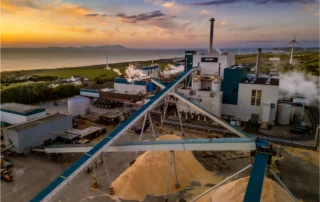
Holmen Workington increases sustainable power generation with HISS
Holmen Paper Mill in Workington, UK, identified an opportunity [...]

Interview with Hans Ladum-Poulsen, Heat Management’s newest representative
With many years of experience in the boiler and [...]
Unlocking Energy Savings: How Cleaning Innovations Transform Boiler Operations
August 24, 2026 /
That thick, black layer of soot inside your boiler? It’s more than just a maintenance headache. It’s a silent thief, robbing your plant of energy, efficiency, and profit every single minute of operation.
Even a 1mm layer of soot can slash heat transfer efficiency by up to 8%. This forces your boiler to burn more fuel—and more money—just to maintain the same output. The traditional approach of blasting it clean on a fixed schedule is like trying to fight a fire with a leaky bucket; it’s reactive, wasteful, and treats a symptom without curing the disease.
But what if you could stop guessing? What if you could transform boiler cleaning from a costly, scheduled chore into a dynamic, data-driven strategy for maximizing energy savings? Modern cleaning innovations are making this possible, turning a maintenance task into one of your most powerful tools for operational and financial excellence.
The Vicious Cycle: How Fouling Directly Impacts Energy Consumption
Fouling isn’t a passive problem; it’s an active drain on your entire system. Every particle of soot, ash, and slag that clings to your heat transfer surfaces acts as a layer of insulation. It’s a thermal blanket wrapped around the very components designed to absorb heat.
This insulating effect creates a critical barrier. It prevents the immense thermal energy in the flue gas from being efficiently transferred to the water and steam tubes. The heat that should be generating steam and driving your process is instead trapped, unable to do its job.
The consequences ripple through your entire operation in a costly domino effect. To compensate for the poor heat transfer, the boiler must be fired harder, consuming more fuel to hit its target temperature and pressure. This leads to higher flue gas exit temperatures—sending valuable energy straight up the stack—and a direct increase in CO₂ emissions. This is a classic operational challenge that demands effective engineering controls to mitigate waste, not just procedural fixes.
The Paradigm Shift: From Reactive Cleaning to Proactive Optimization
For decades, the standard operating procedure for boiler cleaning has been based on the calendar. A maintenance team would initiate a sootblowing cycle every Tuesday at 2 PM, regardless of whether the boiler was perfectly clean or desperately fouled. This approach is fundamentally flawed, leading to one of two wasteful outcomes: cleaning too often and consuming precious steam, or cleaning too late and allowing efficiency to plummet.
The new paradigm flips this outdated model on its head. It replaces guesswork with data, transforming cleaning into a proactive, condition-based strategy. The goal is no longer just to clean, but to maintain peak efficiency by cleaning only when and where it’s needed with surgical precision.
This intelligent approach is about more than just timing; it’s a philosophical shift toward prevention and optimization. By adapting strategies to real-time conditions, modern systems can inhibit fouling before it becomes a significant problem. This ensures the boiler operates in a state of constant readiness and peak performance, turning a reactive maintenance burden into a proactive efficiency driver.
Key Cleaning Innovations Driving Tangible Energy Savings
This transformation is powered by a suite of interconnected technologies designed to work smarter, not harder. They replace brute force with intelligence, delivering superior cleaning results while consuming far less energy. The focus is on precision, prevention, and predictive action.
Intelligent Sootblowing: Precision Over Volume
At its core, intelligent sootblowing is about maximizing cleaning impact while minimizing resource consumption. It leverages advanced engineering—from optimized nozzle design to precise pressure control and sequencing—to create a high-impact cleaning force that uses significantly less steam. This isn’t just about blowing steam; it’s about making every pound of it count.
The primary energy saving is direct and immediate: a dramatic reduction in the steam consumed during cleaning cycles. This directly lowers the parasitic energy load on the boiler, freeing up more steam for production and revenue generation.
But the indirect savings are even more profound. By more effectively removing stubborn, sintered deposits, these optimized systems restore heat transfer surfaces to near-original condition. This boosts thermal efficiency, reduces overall fuel demand, and ensures your boiler is producing the maximum amount of energy from every unit of fuel burned.
Infrasound Cleaning: The Preventative Approach
Imagine preventing soot from ever forming a hard, insulating layer in the first place. That is the power of infrasound cleaning. This technology generates low-frequency, high-energy acoustic waves that create a subtle vibration on boiler surfaces.
This constant, gentle agitation prevents fine ash and soot particles from settling, agglomerating, and sintering into hardened deposits. By reducing unwanted buildup at the source, the boiler’s heat transfer surfaces remain cleaner for much longer periods. This allows the unit to operate at a consistently higher level of efficiency, avoiding the performance dips seen between traditional cleaning cycles.
Infrasound cleaning doesn’t replace steam sootblowing; it enhances it. By keeping deposits in a more friable, easy-to-remove state, it makes sootblowing more effective and reduces its required frequency. This synergistic relationship cuts steam consumption and mechanical stress, extending the life of your equipment while maximizing energy output.
Data-Driven Process Analytics: The Brains of the Operation
If advanced cleaning hardware is the muscle, then data analytics is the brain. Using a network of sensors to provide real-time monitoring of boiler conditions, these systems give operators unprecedented visibility into the fouling process. They can detect process upsets like carryover or analyze fluid dynamics to pinpoint the root causes of deposit formation.
This intelligence enables a highly targeted and efficient cleaning response. Instead of cleaning the entire boiler, analytics can pinpoint the exact location and severity of fouling, allowing for a surgical strike that uses the minimum necessary energy. This is the essence of a modern framework for operational management, where decisions are driven by data, not by the clock.
The ultimate advantage is the shift from reaction to prediction. By analyzing trends and identifying the conditions that precede heavy fouling, these systems can trigger pre-emptive cleaning actions before efficiency is significantly impacted. This predictive capability keeps the boiler in its optimal performance window, maximizing energy savings and operational stability.
Quantifying the Impact: From Theory to Real-World ROI
The benefits of these innovations aren’t just theoretical; they are measured in tangible, bottom-line results. Plant managers and engineers can track a clear set of Key Performance Indicators (KPIs) that demonstrate a powerful return on investment.
The most immediate gain is a direct reduction in steam consumption for sootblowing, which can often be cut by up to 50%. This translates directly into lower parasitic load and reduced operational costs.
More importantly, these systems deliver a measurable increase in overall boiler efficiency, typically in the range of 1-3%. While that may sound small, for a large industrial boiler, it represents a massive reduction in annual fuel costs. This improvement is verified by a key operational metric:
Flue Gas Exit Temperature: -15°C to -20°CA lower exit temperature is undeniable proof that more heat is being absorbed by the boiler and less is being wasted up the stack.
Consider a real-world example. A biomass power plant in Europe that integrated a comprehensive intelligent cleaning system documented a 2% increase in overall boiler efficiency. This single improvement resulted in annual fuel savings of over €250,000 and a significant, corresponding reduction in their carbon footprint.
Conclusion: Boiler Cleaning as a Strategic Energy Management Tool
The message is clear: advanced boiler cleaning is no longer just a maintenance line item. It has evolved into a critical component of any serious energy management and sustainability strategy. Moving away from outdated, calendar-based routines is the first step toward unlocking hidden potential within your plant.
By embracing a proactive, data-driven approach, you gain a dual return on your investment. You achieve greater operational reliability and stability while unlocking significant, ongoing energy savings that directly boost your bottom line. In an era where every kilowatt-hour and every ton of CO₂ counts, optimizing your boiler cleaning isn’t just a good idea—it’s a competitive necessity.
Take the Next Step
See the data for yourself. Explore our technical resources on how optimized sootblowing and intelligent cleaning systems can increase boiler efficiency and drive down operational costs.
Latest news & articles
Meeting EU Emissions Standards Through Advanced Steam Sootblowing Technologies
The walls are closing in. For plant managers and engineers [...]
Holmen Workington increases sustainable power generation with HISS
Holmen Paper Mill in Workington, UK, identified an opportunity [...]
Interview with Hans Ladum-Poulsen, Heat Management’s newest representative
With many years of experience in the boiler and [...]