

Sustainable Boiler Operations: Leveraging Data Analytics to Meet ESG Goals
February 5, 2026 /

The game has changed. Environmental, Social, and Governance (ESG) criteria are no longer a peripheral reporting task tucked away in an annual summary. They are now a core driver of operational strategy, a non-negotiable demand from investors, and the bedrock of your company’s long-term survival.
For any energy-intensive facility—from a sprawling pulp mill to a critical power plant—the boiler room is ground zero for ESG improvement. Yet, how can you prove your commitment? Traditional methods, reliant on estimates and periodic checks, leave you vulnerable. How can you possibly manage—and report on—what you can’t precisely measure?
This is not just about compliance anymore; it’s about competitive advantage. This article provides a practical framework for leveraging data analytics to turn your boiler’s operational data into a powerful, verifiable tool for environmental stewardship, social responsibility, and transparent governance.
Deconstructing ESG for the Boiler Room
Let’s cut through the corporate jargon and translate ESG into the language of the plant floor. These aren’t abstract ideals; they are measurable outcomes rooted in the physics of your boiler.
E (Environmental): The Measurable Impact
Your environmental footprint is written in the data your boiler generates every second. We’re moving beyond annual estimates to real-time, granular tracking of CO₂, NOx, and SOx, directly tied to fuel consumption and combustion efficiency. According to the International Energy Agency, industrial plants using predictive analytics have achieved emissions reductions of 15-25% by optimizing fuel use. This is about quantifying reductions in steam, water, and fuel consumption to prove your impact.
Data also empowers you to optimize resources with ruthless efficiency. By tracking heat transfer degradation in real-time, you can minimize waste and extend the lifespan of critical equipment. The World Business Council for Sustainable Development notes that such insights can extend equipment life by 15-30%, turning maintenance from a cost center into a sustainability driver.
This is the new standard for sustainable energy management. It’s about transforming raw data into a clear narrative of environmental responsibility, backed by numbers that cannot be disputed.
S (Social): Reliability and Safety
The “Social” pillar of ESG is fundamentally about stability and security for your people and your community. Unplanned shutdowns are not just costly; they create unsafe, high-stress environments. Predictive systems that mitigate boiler carryover risks are a perfect example of data analytics enhancing operational stability.
By anticipating and preventing process upsets, you ensure a safer, more predictable workplace. This reliability has a ripple effect, demonstrating to the surrounding community that you are a responsible operator committed to minimizing your local environmental footprint. A stable, efficient plant is a safe plant, and that is a powerful social statement.
This proactive stance, powered by data, builds trust. It shows your team and your neighbors that their well-being is not an afterthought but a managed, operational priority.
G (Governance): The Mandate for Transparency
Your board, your investors, and your regulators are demanding proof. The era of good-faith estimates is over; the mandate is for auditable, verifiable data. This is where governance meets engineering.
Data analytics provides the unshakeable foundation for your ESG reports. As the European Environment Agency emphasizes, regulations like the EU’s Industrial Emissions Directive require data-backed reporting, not assumptions. Achieving this level of EU emissions compliance is impossible without a continuous stream of performance data.
This isn’t just about avoiding penalties; it’s about demonstrating proactive leadership. By using data to stay ahead of evolving regulations, you signal to the market that your operations are managed with precision and foresight.
The Data Deficit: Why Traditional Boiler Management Falls Short
For decades, boiler management has relied on lagging indicators, manual inspections, and periodic reporting. You walk the floor, check the gauges, and make adjustments based on experience. This approach, while familiar, is fundamentally reactive.
The consequences of this data deficit are severe and costly. Gradual fouling, excessive sootblowing, and suboptimal heat transfer create what McKinsey & Company calls “invisible inefficiencies.” These silent profit killers go unnoticed until they cause significant energy loss or, worse, an unplanned outage.
This reactive posture cripples your ESG strategy. Reports based on estimates lack the credibility demanded by today’s stakeholders, creating a critical gap between your stated goals and your operational reality. Without granular insights, your operators are flying blind, unable to fine-tune processes for maximum efficiency and minimal environmental impact.
The Solution: A Data-Driven Framework for Sustainable Operations
The answer is to stop guessing and start measuring. A data-driven framework gives you the control to align boiler performance with your highest-level strategic goals.
Step 1: Identify Key Performance Indicators (KPIs) for Sustainability
First, you must define what matters. We move beyond simple steam pressure and temperature to the KPIs that directly reflect sustainability: Flue gas temperature, steam consumption per sootblowing cycle, heat transfer coefficient, and fuel-to-steam ratio. These metrics are the vital signs of your boiler’s environmental and financial health.
Step 2: Implement Advanced Monitoring & Analytics
Next, you need the tools to capture and interpret these vital signs. This requires a combination of real-time sensors and sophisticated process analytics platforms. Harnessing this engineering data for continuous optimization is the foundational step toward intelligent operations.
Platforms like Acospector™ Process Analytics are designed to collect and interpret this data, providing a clear view of boiler health and performance. When paired with optimization technologies like the HISS® (High Impact Sootblowing System), this data can be used to create a closed-loop system where insights drive immediate, automated improvements. This is how you integrate process analytics with boiler systems to create a truly intelligent operation.
Step 3: Translate Data into Actionable Insights
Raw data is useless. The goal is to translate numbers into clear, actionable commands that empower your operators. An advanced analytics system moves beyond dashboards to provide specific recommendations.
Instead of a generic alert, your team gets a precise directive:
"Fouling is accumulating in the superheater section; initiate a targeted HISS® cleaning cycle.""Steam consumption for sootblowing is 15% above the optimal baseline; adjust sequence timing."
This is the difference between knowing there’s a problem and knowing exactly how to fix it. It transforms your team from reactive firefighters into proactive performance managers.
The Impact: Connecting Analytics to Verifiable ESG Wins
When you implement this framework, the results are not theoretical. They are tangible, measurable, and directly support your ESG objectives.
Environmental Wins (The “E”)
The chain reaction is simple and powerful. Real-time fouling data leads to optimized, targeted cleaning. Optimized cleaning maintains heat transfer efficiency, which means less fuel is required to produce the same amount of steam. This directly results in a verifiable reduction in CO₂ emissions.
The numbers speak for themselves. According to Siemens Energy, data-driven frameworks can reduce sootblowing steam consumption by up to 40%. This directly translates to lower auxiliary energy use and a smaller, more defensible carbon footprint, providing the real-world proof of emission reductions your stakeholders demand.
Governance Wins (The “G”)
This data-driven approach revolutionizes your reporting. Instead of spending weeks compiling estimates for your annual sustainability report, an analytics platform can generate the precise, auditable data you need automatically. This makes the entire process transparent, credible, and far less labor-intensive.
You are no longer just claiming to be sustainable; you are proving it with timestamped, operational evidence. This data provides undeniable proof of your proactive approach to environmental management, satisfying regulators and building unshakable investor confidence.
The Future is Data-Driven and Sustainable
Let’s be clear. Leveraging data analytics is the single most effective way to align the technical realities of boiler operation with the strategic demands of ESG. It bridges the gap between the boiler room and the boardroom.
In the modern industrial landscape, sustainability is not a cost center; it is a performance metric. As noted in insights from Deloitte, data analytics provides the language to measure, manage, and master it.
The future of efficient and responsible industrial energy production belongs to those who embrace intelligent systems that optimize for both performance and the planet. The tools are here. The mandate is clear. The time to act is now.
Latest news & articles

Meeting EU Emissions Standards Through Advanced Steam Sootblowing Technologies
The walls are closing in. For plant managers and engineers [...]
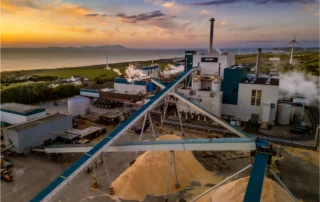
Holmen Workington increases sustainable power generation with HISS
Holmen Paper Mill in Workington, UK, identified an opportunity [...]

Interview with Hans Ladum-Poulsen, Heat Management’s newest representative
With many years of experience in the boiler and [...]
Sustainable Boiler Operations: Leveraging Data Analytics to Meet ESG Goals
February 5, 2026 /
The game has changed. Environmental, Social, and Governance (ESG) criteria are no longer a peripheral reporting task tucked away in an annual summary. They are now a core driver of operational strategy, a non-negotiable demand from investors, and the bedrock of your company’s long-term survival.
For any energy-intensive facility—from a sprawling pulp mill to a critical power plant—the boiler room is ground zero for ESG improvement. Yet, how can you prove your commitment? Traditional methods, reliant on estimates and periodic checks, leave you vulnerable. How can you possibly manage—and report on—what you can’t precisely measure?
This is not just about compliance anymore; it’s about competitive advantage. This article provides a practical framework for leveraging data analytics to turn your boiler’s operational data into a powerful, verifiable tool for environmental stewardship, social responsibility, and transparent governance.
Deconstructing ESG for the Boiler Room
Let’s cut through the corporate jargon and translate ESG into the language of the plant floor. These aren’t abstract ideals; they are measurable outcomes rooted in the physics of your boiler.
E (Environmental): The Measurable Impact
Your environmental footprint is written in the data your boiler generates every second. We’re moving beyond annual estimates to real-time, granular tracking of CO₂, NOx, and SOx, directly tied to fuel consumption and combustion efficiency. According to the International Energy Agency, industrial plants using predictive analytics have achieved emissions reductions of 15-25% by optimizing fuel use. This is about quantifying reductions in steam, water, and fuel consumption to prove your impact.
Data also empowers you to optimize resources with ruthless efficiency. By tracking heat transfer degradation in real-time, you can minimize waste and extend the lifespan of critical equipment. The World Business Council for Sustainable Development notes that such insights can extend equipment life by 15-30%, turning maintenance from a cost center into a sustainability driver.
This is the new standard for sustainable energy management. It’s about transforming raw data into a clear narrative of environmental responsibility, backed by numbers that cannot be disputed.
S (Social): Reliability and Safety
The “Social” pillar of ESG is fundamentally about stability and security for your people and your community. Unplanned shutdowns are not just costly; they create unsafe, high-stress environments. Predictive systems that mitigate boiler carryover risks are a perfect example of data analytics enhancing operational stability.
By anticipating and preventing process upsets, you ensure a safer, more predictable workplace. This reliability has a ripple effect, demonstrating to the surrounding community that you are a responsible operator committed to minimizing your local environmental footprint. A stable, efficient plant is a safe plant, and that is a powerful social statement.
This proactive stance, powered by data, builds trust. It shows your team and your neighbors that their well-being is not an afterthought but a managed, operational priority.
G (Governance): The Mandate for Transparency
Your board, your investors, and your regulators are demanding proof. The era of good-faith estimates is over; the mandate is for auditable, verifiable data. This is where governance meets engineering.
Data analytics provides the unshakeable foundation for your ESG reports. As the European Environment Agency emphasizes, regulations like the EU’s Industrial Emissions Directive require data-backed reporting, not assumptions. Achieving this level of EU emissions compliance is impossible without a continuous stream of performance data.
This isn’t just about avoiding penalties; it’s about demonstrating proactive leadership. By using data to stay ahead of evolving regulations, you signal to the market that your operations are managed with precision and foresight.
The Data Deficit: Why Traditional Boiler Management Falls Short
For decades, boiler management has relied on lagging indicators, manual inspections, and periodic reporting. You walk the floor, check the gauges, and make adjustments based on experience. This approach, while familiar, is fundamentally reactive.
The consequences of this data deficit are severe and costly. Gradual fouling, excessive sootblowing, and suboptimal heat transfer create what McKinsey & Company calls “invisible inefficiencies.” These silent profit killers go unnoticed until they cause significant energy loss or, worse, an unplanned outage.
This reactive posture cripples your ESG strategy. Reports based on estimates lack the credibility demanded by today’s stakeholders, creating a critical gap between your stated goals and your operational reality. Without granular insights, your operators are flying blind, unable to fine-tune processes for maximum efficiency and minimal environmental impact.
The Solution: A Data-Driven Framework for Sustainable Operations
The answer is to stop guessing and start measuring. A data-driven framework gives you the control to align boiler performance with your highest-level strategic goals.
Step 1: Identify Key Performance Indicators (KPIs) for Sustainability
First, you must define what matters. We move beyond simple steam pressure and temperature to the KPIs that directly reflect sustainability: Flue gas temperature, steam consumption per sootblowing cycle, heat transfer coefficient, and fuel-to-steam ratio. These metrics are the vital signs of your boiler’s environmental and financial health.
Step 2: Implement Advanced Monitoring & Analytics
Next, you need the tools to capture and interpret these vital signs. This requires a combination of real-time sensors and sophisticated process analytics platforms. Harnessing this engineering data for continuous optimization is the foundational step toward intelligent operations.
Platforms like Acospector™ Process Analytics are designed to collect and interpret this data, providing a clear view of boiler health and performance. When paired with optimization technologies like the HISS® (High Impact Sootblowing System), this data can be used to create a closed-loop system where insights drive immediate, automated improvements. This is how you integrate process analytics with boiler systems to create a truly intelligent operation.
Step 3: Translate Data into Actionable Insights
Raw data is useless. The goal is to translate numbers into clear, actionable commands that empower your operators. An advanced analytics system moves beyond dashboards to provide specific recommendations.
Instead of a generic alert, your team gets a precise directive:
"Fouling is accumulating in the superheater section; initiate a targeted HISS® cleaning cycle.""Steam consumption for sootblowing is 15% above the optimal baseline; adjust sequence timing."
This is the difference between knowing there’s a problem and knowing exactly how to fix it. It transforms your team from reactive firefighters into proactive performance managers.
The Impact: Connecting Analytics to Verifiable ESG Wins
When you implement this framework, the results are not theoretical. They are tangible, measurable, and directly support your ESG objectives.
Environmental Wins (The “E”)
The chain reaction is simple and powerful. Real-time fouling data leads to optimized, targeted cleaning. Optimized cleaning maintains heat transfer efficiency, which means less fuel is required to produce the same amount of steam. This directly results in a verifiable reduction in CO₂ emissions.
The numbers speak for themselves. According to Siemens Energy, data-driven frameworks can reduce sootblowing steam consumption by up to 40%. This directly translates to lower auxiliary energy use and a smaller, more defensible carbon footprint, providing the real-world proof of emission reductions your stakeholders demand.
Governance Wins (The “G”)
This data-driven approach revolutionizes your reporting. Instead of spending weeks compiling estimates for your annual sustainability report, an analytics platform can generate the precise, auditable data you need automatically. This makes the entire process transparent, credible, and far less labor-intensive.
You are no longer just claiming to be sustainable; you are proving it with timestamped, operational evidence. This data provides undeniable proof of your proactive approach to environmental management, satisfying regulators and building unshakable investor confidence.
The Future is Data-Driven and Sustainable
Let’s be clear. Leveraging data analytics is the single most effective way to align the technical realities of boiler operation with the strategic demands of ESG. It bridges the gap between the boiler room and the boardroom.
In the modern industrial landscape, sustainability is not a cost center; it is a performance metric. As noted in insights from Deloitte, data analytics provides the language to measure, manage, and master it.
The future of efficient and responsible industrial energy production belongs to those who embrace intelligent systems that optimize for both performance and the planet. The tools are here. The mandate is clear. The time to act is now.
Latest news & articles
Meeting EU Emissions Standards Through Advanced Steam Sootblowing Technologies
The walls are closing in. For plant managers and engineers [...]
Holmen Workington increases sustainable power generation with HISS
Holmen Paper Mill in Workington, UK, identified an opportunity [...]
Interview with Hans Ladum-Poulsen, Heat Management’s newest representative
With many years of experience in the boiler and [...]