

Innovative Infrasound Cleaning Applications for Extending Biomass Boiler Lifespan
November 20, 2025 /
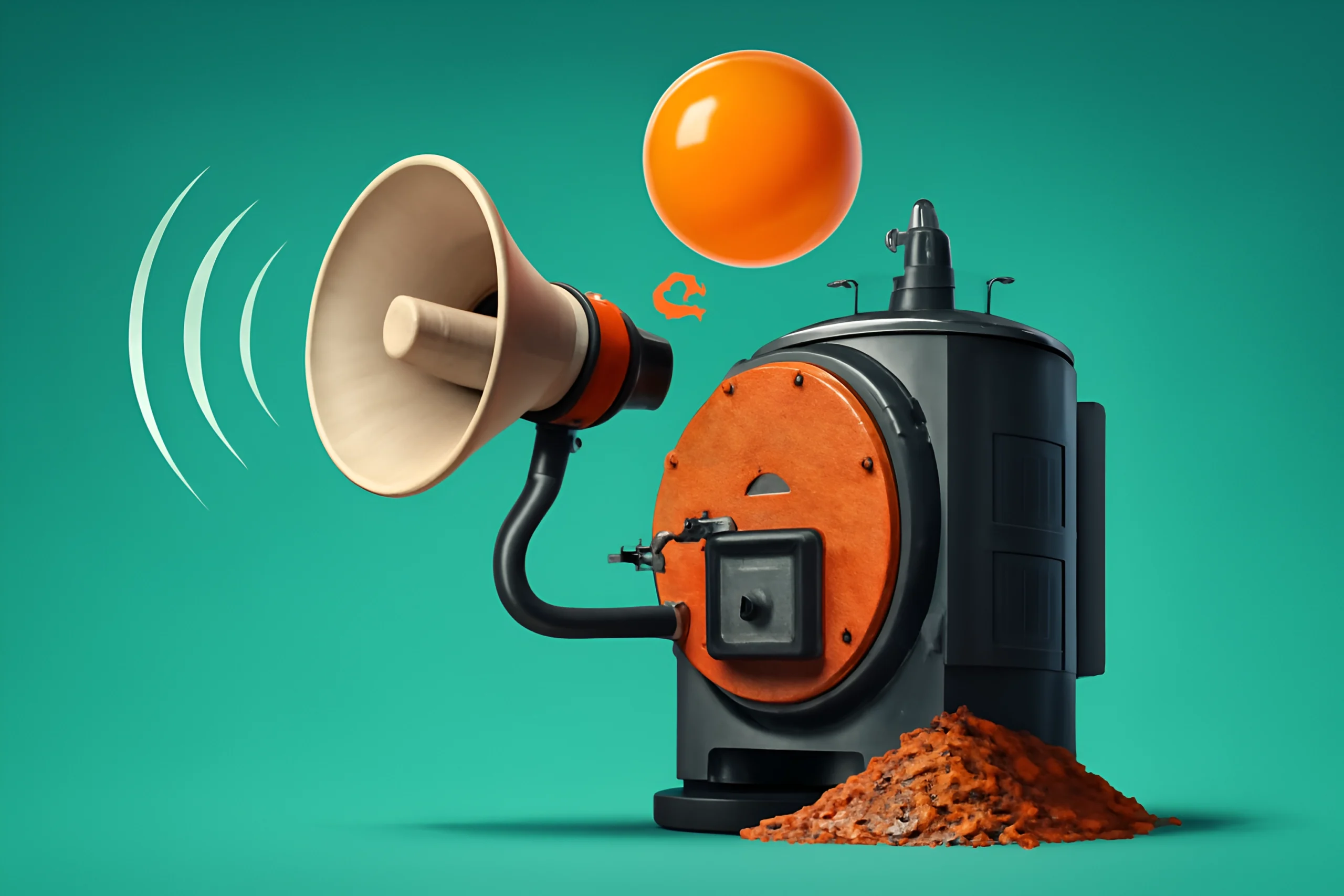
Your biomass boiler is a ticking clock. You invested in it for sustainability, for energy independence, for the future. But every single day, the very fuel that powers your operation is waging a silent, brutal war against the asset itself.
Biomass fuels—wood chips, bark, agricultural waste—are not like their fossil fuel cousins. They burn dirty, packed with high levels of alkali, chlorine, and moisture that create a uniquely aggressive and corrosive ash. This isn’t just soot; it’s a relentless enemy that builds up, hardens like cement, and actively works to choke your efficiency and shorten your boiler’s life.
Conventional cleaning methods often make the problem worse, trading one form of damage for another. But what if you could stop the fight before it even begins? This is where innovative infrasound cleaning for biomass boilers shifts the paradigm from reactive repair to proactive asset protection. This article provides a technical overview of how this non-intrusive technology works, its strategic applications, and its direct, measurable impact on boiler lifespan extension and operational security.
Understanding the Enemy: The Unique Nature of Biomass Ash & Deposits
To defeat an enemy, you must first understand it. The ash from biomass isn’t just a nuisance; its chemical composition makes it a formidable threat. Elements like potassium and chlorine create a low-melting-point ash that forms hard, sintered deposits on your most critical heat transfer surfaces.
This battle is fought on two fronts. In the cooler convective sections like economizers and superheaters, you face fouling—a thick, insulating blanket of ash that cripples heat transfer. In the furnace, you face slagging, where molten ash solidifies into rock-hard masses. According to an analysis by Emerson, this sticky, corrosive nature of biomass deposits not only reduces efficiency but also creates a perfect environment for under-deposit corrosion that can significantly shorten boiler lifespan.
Traditional methods are a losing strategy. Aggressive steam sootblowing introduces thermal shock and erosion, literally blasting away the life of your boiler tubes over time. Manual cleaning means costly downtime, safety risks for your crew, and incomplete removal, leaving corrosive elements behind to continue their destructive work.
The Technical Solution: How Infrasound Cleaning Works
Imagine a cleaning method that never touches your equipment. A solution that prevents buildup rather than fighting it after the fact. This is the fundamental principle behind infrasound technology—a smarter, more elegant weapon in the war against fouling.
The Principle of Low-Frequency, Non-Intrusive Cleaning
Infrasound is not just sound; it’s a physical force. These are powerful, low-frequency sound waves, typically in the 15–30 Hz range, that are felt more than they are heard. When an infrasound cleaner activates—for just a couple of seconds every few minutes—it sends these waves propagating in all directions throughout your boiler’s gas path.
The mechanism is brilliantly simple. The sound waves create oscillating pressure variations that fluidize the tiny ash particles in the flue gas. Instead of allowing them to stick to surfaces and bond together, the infrasound keeps them moving, preventing the initial layer of deposits from ever forming. It is the definition of
preventative maintenance, stopping the problem at its source.
This “non-intrusive” aspect is the key to extending your boiler’s life. Because there is no physical contact, you completely eliminate the mechanical erosion and thermal stress caused by steam sootblowers. You are cleaning your boiler without inflicting the collateral damage that leads to premature tube failures and costly repairs.
Strategic Applications for Maximizing Biomass Boiler Lifespan
Deploying infrasound technology isn’t about a single application; it’s about creating a comprehensive defensive shield throughout your boiler. By targeting critical areas, you can systematically protect your entire asset from the relentless assault of biomass ash.
Economizers and Air Preheaters
These sections, with their tightly packed tubes and narrow passages, are magnets for fine ash. Infrasound cleaning excels here, as the long wavelengths can penetrate deep into tube bundles, preventing the clogs that cause high pressure drops and kill efficiency. A technical study on biomass applications found that infrasound is particularly effective in these areas, maintaining heat transfer efficiency in flue gas temperatures up to 500°C.
Superheaters and Reheaters
Here, the goal is to stop the formation of the initial sticky layer of ash that acts as a foundation for hard slag. By keeping these surfaces clean with frequent, gentle infrasound pulses, you dramatically reduce the need for aggressive, high-impact steam sootblowing. This directly minimizes the erosion and stress that lead to tube leaks and unplanned outages.
Selective Catalytic Reduction (SCR) Systems
Your SCR is vital for emissions control, but its catalyst is delicate and expensive. Fouling can blind the catalyst, crippling NOx reduction and forcing a costly replacement. Infrasound provides the perfect solution: it keeps catalyst surfaces clean without any mechanical contact, ensuring consistent emissions performance and extending the life of this critical component.
Hoppers and Silos
The fight doesn’t end inside the boiler. Ash bridging and blockages in hoppers create dangerous and time-consuming maintenance headaches. Infrasound fluidizes the collected ash, preventing these blockages and ensuring smooth material flow, which eliminates the need for hazardous manual intervention.
The Measurable Impact: A Direct Line to Boiler Lifespan Extension
The ultimate goal isn’t just a cleaner boiler; it’s a longer-lasting, more reliable, and more profitable asset. Infrasound technology delivers tangible benefits that directly contribute to this goal, with a typical payback period of just 6–24 months.
Reduced Mechanical and Thermal Stress
This is the most direct path to a longer life. By minimizing or entirely replacing abrasive cleaning methods like steam sootblowing, infrasound preserves the structural integrity of your boiler tubes. You are no longer trading cleanliness for erosion; you are achieving both preservation and performance.
Prevention of Under-Deposit Corrosion
Clean surfaces are safe surfaces. By preventing ash from building up, you eliminate the hidden pockets where corrosive compounds like chlorides can accumulate and eat away at the metal. This proactive defense stops one of the most insidious causes of premature boiler failure.
Enhanced Operational Stability
A consistently clean boiler is a stable boiler. You avoid the wild swings in steam temperature and pressure that occur as fouling builds and is then aggressively removed. This operational stability reduces cyclic stress on all boiler components, from tubes to headers, contributing to a longer, more predictable service life.
Decreased Unplanned Downtime
Unplanned downtime is the enemy of profitability. By preventing the root causes of failure—tube leaks from erosion, corrosion, and overheating—infrasound cleaning drastically reduces the frequency of forced outages. This maximizes asset availability and protects your production schedule.
Sustained Efficiency & Reduced Fuel Cost
While efficiency is often seen as a separate goal, it’s directly linked to lifespan. A clean boiler that transfers heat effectively doesn’t have to be fired as hard to meet its output targets. This lower operational load reduces overall stress on the entire system, contributing to its long-term health and reliability.
Conclusion: Investing in Proactive Maintenance for Long-Term Reliability
The unique fouling challenges of biomass boilers demand a more advanced solution than the brute-force methods of the past. You cannot afford to let your sustainable energy source slowly destroy the very equipment that harnesses it. Innovative infrasound cleaning offers a fundamental shift—from a reactive cycle of cleaning and repair to a proactive strategy of preservation and optimization.
This technology is more than just a maintenance tool. It is a strategic investment in boiler lifespan extension, operational resilience, and the long-term security of your plant. By eliminating the self-inflicted damage of conventional cleaning, you are not just keeping your boiler clean; you are ensuring it remains a reliable, profitable asset for years to come.
To see how Heat Management’s infrasound systems have helped biomass plants protect their assets and improve uptime, explore our real-world success stories and case studies.
Latest news & articles

Meeting EU Emissions Standards Through Advanced Steam Sootblowing Technologies
The walls are closing in. For plant managers and engineers [...]
Holmen Workington increases sustainable power generation with HISS
Holmen Paper Mill in Workington, UK, identified an opportunity [...]

Interview with Hans Ladum-Poulsen, Heat Management’s newest representative
With many years of experience in the boiler and [...]
Innovative Infrasound Cleaning Applications for Extending Biomass Boiler Lifespan
November 20, 2025 /
Your biomass boiler is a ticking clock. You invested in it for sustainability, for energy independence, for the future. But every single day, the very fuel that powers your operation is waging a silent, brutal war against the asset itself.
Biomass fuels—wood chips, bark, agricultural waste—are not like their fossil fuel cousins. They burn dirty, packed with high levels of alkali, chlorine, and moisture that create a uniquely aggressive and corrosive ash. This isn’t just soot; it’s a relentless enemy that builds up, hardens like cement, and actively works to choke your efficiency and shorten your boiler’s life.
Conventional cleaning methods often make the problem worse, trading one form of damage for another. But what if you could stop the fight before it even begins? This is where innovative infrasound cleaning for biomass boilers shifts the paradigm from reactive repair to proactive asset protection. This article provides a technical overview of how this non-intrusive technology works, its strategic applications, and its direct, measurable impact on boiler lifespan extension and operational security.
Understanding the Enemy: The Unique Nature of Biomass Ash & Deposits
To defeat an enemy, you must first understand it. The ash from biomass isn’t just a nuisance; its chemical composition makes it a formidable threat. Elements like potassium and chlorine create a low-melting-point ash that forms hard, sintered deposits on your most critical heat transfer surfaces.
This battle is fought on two fronts. In the cooler convective sections like economizers and superheaters, you face fouling—a thick, insulating blanket of ash that cripples heat transfer. In the furnace, you face slagging, where molten ash solidifies into rock-hard masses. According to an analysis by Emerson, this sticky, corrosive nature of biomass deposits not only reduces efficiency but also creates a perfect environment for under-deposit corrosion that can significantly shorten boiler lifespan.
Traditional methods are a losing strategy. Aggressive steam sootblowing introduces thermal shock and erosion, literally blasting away the life of your boiler tubes over time. Manual cleaning means costly downtime, safety risks for your crew, and incomplete removal, leaving corrosive elements behind to continue their destructive work.
The Technical Solution: How Infrasound Cleaning Works
Imagine a cleaning method that never touches your equipment. A solution that prevents buildup rather than fighting it after the fact. This is the fundamental principle behind infrasound technology—a smarter, more elegant weapon in the war against fouling.
The Principle of Low-Frequency, Non-Intrusive Cleaning
Infrasound is not just sound; it’s a physical force. These are powerful, low-frequency sound waves, typically in the 15–30 Hz range, that are felt more than they are heard. When an infrasound cleaner activates—for just a couple of seconds every few minutes—it sends these waves propagating in all directions throughout your boiler’s gas path.
The mechanism is brilliantly simple. The sound waves create oscillating pressure variations that fluidize the tiny ash particles in the flue gas. Instead of allowing them to stick to surfaces and bond together, the infrasound keeps them moving, preventing the initial layer of deposits from ever forming. It is the definition of
preventative maintenance, stopping the problem at its source.
This “non-intrusive” aspect is the key to extending your boiler’s life. Because there is no physical contact, you completely eliminate the mechanical erosion and thermal stress caused by steam sootblowers. You are cleaning your boiler without inflicting the collateral damage that leads to premature tube failures and costly repairs.
Strategic Applications for Maximizing Biomass Boiler Lifespan
Deploying infrasound technology isn’t about a single application; it’s about creating a comprehensive defensive shield throughout your boiler. By targeting critical areas, you can systematically protect your entire asset from the relentless assault of biomass ash.
Economizers and Air Preheaters
These sections, with their tightly packed tubes and narrow passages, are magnets for fine ash. Infrasound cleaning excels here, as the long wavelengths can penetrate deep into tube bundles, preventing the clogs that cause high pressure drops and kill efficiency. A technical study on biomass applications found that infrasound is particularly effective in these areas, maintaining heat transfer efficiency in flue gas temperatures up to 500°C.
Superheaters and Reheaters
Here, the goal is to stop the formation of the initial sticky layer of ash that acts as a foundation for hard slag. By keeping these surfaces clean with frequent, gentle infrasound pulses, you dramatically reduce the need for aggressive, high-impact steam sootblowing. This directly minimizes the erosion and stress that lead to tube leaks and unplanned outages.
Selective Catalytic Reduction (SCR) Systems
Your SCR is vital for emissions control, but its catalyst is delicate and expensive. Fouling can blind the catalyst, crippling NOx reduction and forcing a costly replacement. Infrasound provides the perfect solution: it keeps catalyst surfaces clean without any mechanical contact, ensuring consistent emissions performance and extending the life of this critical component.
Hoppers and Silos
The fight doesn’t end inside the boiler. Ash bridging and blockages in hoppers create dangerous and time-consuming maintenance headaches. Infrasound fluidizes the collected ash, preventing these blockages and ensuring smooth material flow, which eliminates the need for hazardous manual intervention.
The Measurable Impact: A Direct Line to Boiler Lifespan Extension
The ultimate goal isn’t just a cleaner boiler; it’s a longer-lasting, more reliable, and more profitable asset. Infrasound technology delivers tangible benefits that directly contribute to this goal, with a typical payback period of just 6–24 months.
Reduced Mechanical and Thermal Stress
This is the most direct path to a longer life. By minimizing or entirely replacing abrasive cleaning methods like steam sootblowing, infrasound preserves the structural integrity of your boiler tubes. You are no longer trading cleanliness for erosion; you are achieving both preservation and performance.
Prevention of Under-Deposit Corrosion
Clean surfaces are safe surfaces. By preventing ash from building up, you eliminate the hidden pockets where corrosive compounds like chlorides can accumulate and eat away at the metal. This proactive defense stops one of the most insidious causes of premature boiler failure.
Enhanced Operational Stability
A consistently clean boiler is a stable boiler. You avoid the wild swings in steam temperature and pressure that occur as fouling builds and is then aggressively removed. This operational stability reduces cyclic stress on all boiler components, from tubes to headers, contributing to a longer, more predictable service life.
Decreased Unplanned Downtime
Unplanned downtime is the enemy of profitability. By preventing the root causes of failure—tube leaks from erosion, corrosion, and overheating—infrasound cleaning drastically reduces the frequency of forced outages. This maximizes asset availability and protects your production schedule.
Sustained Efficiency & Reduced Fuel Cost
While efficiency is often seen as a separate goal, it’s directly linked to lifespan. A clean boiler that transfers heat effectively doesn’t have to be fired as hard to meet its output targets. This lower operational load reduces overall stress on the entire system, contributing to its long-term health and reliability.
Conclusion: Investing in Proactive Maintenance for Long-Term Reliability
The unique fouling challenges of biomass boilers demand a more advanced solution than the brute-force methods of the past. You cannot afford to let your sustainable energy source slowly destroy the very equipment that harnesses it. Innovative infrasound cleaning offers a fundamental shift—from a reactive cycle of cleaning and repair to a proactive strategy of preservation and optimization.
This technology is more than just a maintenance tool. It is a strategic investment in boiler lifespan extension, operational resilience, and the long-term security of your plant. By eliminating the self-inflicted damage of conventional cleaning, you are not just keeping your boiler clean; you are ensuring it remains a reliable, profitable asset for years to come.
To see how Heat Management’s infrasound systems have helped biomass plants protect their assets and improve uptime, explore our real-world success stories and case studies.
Latest news & articles
Meeting EU Emissions Standards Through Advanced Steam Sootblowing Technologies
The walls are closing in. For plant managers and engineers [...]
Holmen Workington increases sustainable power generation with HISS
Holmen Paper Mill in Workington, UK, identified an opportunity [...]
Interview with Hans Ladum-Poulsen, Heat Management’s newest representative
With many years of experience in the boiler and [...]