

Innovative Process Analytics: Tackling Recovery Boiler Carryover Challenges
September 21, 2026 /

Your recovery boiler is the heart of your pulp mill. It’s a high-pressure, high-stakes environment where the line between peak profitability and a costly shutdown is razor-thin. Every ton of steam, every drop of recovered chemical, contributes directly to your bottom line.
But an unseen enemy is always at work. Black liquor carryover, a persistent and corrosive threat, silently undermines your boiler’s performance. It’s a silent disruptor that often goes undetected until the damage is already done, crippling efficiency and threatening the very integrity of your most critical asset.
The brutal truth is that traditional, reactive methods for managing this threat are no longer enough. You cannot afford to wait for alarms that signal a problem already in progress. This is the shift from reacting to yesterday’s problems to predicting and preventing tomorrow’s failures, all powered by innovative process analytics.
The Challenge: Deconstructing the Impact of Black Liquor Carryover
What is this invisible threat costing you? Black liquor carryover occurs when unburnt droplets of black liquor become entrained in the flue gas stream. These sticky, molten particles travel upward, away from the furnace bed, and straight toward your superheater and convection pass sections. According to extensive research, this entrainment is directly influenced by firing practices and liquor properties, making it a dynamic, process-driven problem.
The root causes are familiar to any experienced boiler engineer. Pushing the boiler beyond its design load, dealing with fluctuating liquor solids content, or suffering from suboptimal spray nozzle performance can all trigger a carryover event. As documented in industry guidance from TAPPI on recovery boiler fireside deposits, these operational variables create the perfect conditions for liquor droplets to escape the furnace.
The consequences are not minor inconveniences; they are a cascade of operational and financial disasters. This isn’t just about cleaning; it’s about survival.
The Operational Nightmare: Fouling and Plugging
The most immediate impact is severe superheater fouling. Those sticky carryover particles adhere to heat transfer surfaces, forming thick, hard, and tenacious deposits of sodium sulfate and sodium carbonate. This insulating layer suffocates your boiler’s efficiency, drastically reducing heat transfer and leading to lower steam temperatures.
As the fouling worsens, the boiler struggles to maintain performance. The result? You’re forced to increase sootblowing frequency and intensity, consuming vast amounts of valuable high-pressure steam just to keep the passages clear. This isn’t optimization; it’s a costly, reactive battle against a problem that has already taken hold.
The Financial Drain: Shutdowns and Maintenance
When sootblowing can no longer keep up, the inevitable happens: plugging. The gas passages become so restricted that the boiler must be taken offline for a forced shutdown. The financial impact of this unplanned downtime is staggering, with production losses quickly running into the hundreds of thousands, or even millions, of dollars.
Beyond the production loss, there are the direct maintenance costs. Manual cleaning of fused, smelt-like deposits is a difficult, time-consuming, and hazardous job. Over time, the constant thermal and chemical stress leads to expensive equipment repairs and premature component replacement, draining your maintenance budget.
The Ultimate Risk: Safety and Asset Integrity
This is where the stakes become critical. The high concentrations of alkali and chloride in carryover deposits create a highly corrosive environment, leading to accelerated high-temperature corrosion of superheater tubes. This corrosion eats away at your pressure parts, compromising the long-term integrity of the boiler.
Worse, severe plugging can contribute to overall boiler instability. As noted in foundational safety documents from the National Board of Boiler and Pressure Vessel Inspectors, maintaining stable operation is paramount to preventing catastrophic failures, including the risk of a smelt-water explosion. You aren’t just protecting efficiency; you are protecting your people and your plant.
The Solution: Shifting from Lagging Indicators to Predictive Insights with Process Analytics
For too long, operators have been forced to manage carryover by looking in the rearview mirror. Monitoring final steam temperatures, tracking differential pressure across the superheater, or relying on periodic visual inspections are all lagging indicators. They only confirm that a fouling problem has already developed and is actively costing you money.
This reactive approach is fundamentally flawed. It’s like waiting for the smoke alarm to go off before you deal with the fire. To truly control the process, you need to see the smoke before it ever becomes a flame.
That is the power of real-time fluid analysis. By using advanced acoustic sensors to analyze the flue gas composition directly within the process stream, you gain an unprecedented window into your furnace chemistry. Systems like Heat Management’s Acospector™ are not just monitoring tools; they are a fundamental shift in how you see and control your boiler’s combustion environment, as detailed in our guide to harnessing real-time fluid analysis for boiler optimization.
A New Standard: The Carryover Early Warning System
This technology enables a groundbreaking application: a true Carryover Early Warning System. Instead of waiting for deposits to form, this system uses a patented method to detect the unique chemical and physical signature of black liquor droplets in the flue gas before they reach the superheaters. It identifies the very precursors to a carryover event, giving you a critical early warning.
This isn’t a guess. It’s data. The system provides operators with clear, actionable alerts the moment a carryover event begins to develop.
This data advantage is a game-changer. Armed with this predictive insight, your team can proactively adjust combustion air, modify liquor firing rates, or optimize sootblowing strategies to mitigate the event before it causes any significant fouling. You move from a defensive posture of cleaning up messes to an offensive strategy of preventing them entirely, a core principle of effective early detection strategies.
The Impact: Measurable Gains in Stability, Efficiency, and Safety
What does this shift from reactive to predictive mean for your mill? It means turning data into decisive action and tangible results. The early warnings from the Carryover Early Warning System translate directly into measurable gains across the board.
Maximized Uptime and Production Stability
The single greatest financial benefit is the elimination of unplanned shutdowns caused by superheater plugging. By preventing the problem at its source, you ensure the boiler can run continuously and reliably, safeguarding your production targets. This proactive approach is a cornerstone of reducing operational downtime with predictive maintenance.
Optimized Boiler Efficiency and Reduced Costs
A clean boiler is an efficient boiler. By keeping superheater surfaces free from insulating deposits, the system maintains optimal heat transfer, ensuring you get the most energy out of your fuel. This directly translates to lower operational costs.
Furthermore, by preventing the need for excessive, reactive sootblowing, you can achieve dramatic energy savings. A leading pulp mill in Scandinavia that integrated our Carryover Early Warning System saw a 15% reduction in sootblowing steam consumption while completely eliminating unplanned shutdowns due to superheater fouling. This is just one example of how advanced boiler optimization techniques can slash operational costs.
Enhanced Safety and Asset Longevity
By preventing the buildup of corrosive deposits, you directly mitigate the risk of high-temperature corrosion. This extends the life of your superheater tubes and other critical pressure parts, protecting your multi-million dollar asset for the long term. This focus on prevention is key to extending your boiler’s lifespan.
More importantly, maintaining a stable, predictable process contributes to overall boiler safety. By giving operators the tools to prevent severe plugging and instability, you reduce the risk of hazardous operating conditions and create a safer environment for your entire team.
The Future of Recovery Boiler Management is Data-Driven
Managing black liquor carryover is no longer a guessing game. The days of reacting to fouling after it has already crippled your efficiency are over. The new standard for high-performance pulp mills is the shift from reactive clean-up to proactive, analytics-driven prevention.
Leveraging advanced process analytics is no longer an option; it is fundamental to achieving your goals for efficiency, reliability, and operational excellence. It is the key to unlocking the full potential of your recovery boiler and securing a competitive advantage.
Heat Management is your partner in making this transition. We provide the technology and expertise to transform your operational data into your most powerful asset for process optimization.
Ready to stop reacting and start predicting?
- Primary CTA: Explore the technical specifications of our patented Carryover Early Warning System to see how it can safeguard your boiler.
- Secondary CTA: Have a specific challenge with fouling? Contact our engineering team for a process consultation.
Latest news & articles

Meeting EU Emissions Standards Through Advanced Steam Sootblowing Technologies
The walls are closing in. For plant managers and engineers [...]
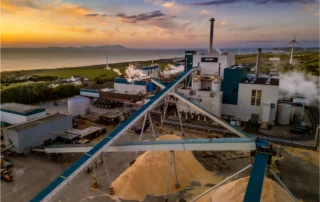
Holmen Workington increases sustainable power generation with HISS
Holmen Paper Mill in Workington, UK, identified an opportunity [...]

Interview with Hans Ladum-Poulsen, Heat Management’s newest representative
With many years of experience in the boiler and [...]
Innovative Process Analytics: Tackling Recovery Boiler Carryover Challenges
September 21, 2026 /
Your recovery boiler is the heart of your pulp mill. It’s a high-pressure, high-stakes environment where the line between peak profitability and a costly shutdown is razor-thin. Every ton of steam, every drop of recovered chemical, contributes directly to your bottom line.
But an unseen enemy is always at work. Black liquor carryover, a persistent and corrosive threat, silently undermines your boiler’s performance. It’s a silent disruptor that often goes undetected until the damage is already done, crippling efficiency and threatening the very integrity of your most critical asset.
The brutal truth is that traditional, reactive methods for managing this threat are no longer enough. You cannot afford to wait for alarms that signal a problem already in progress. This is the shift from reacting to yesterday’s problems to predicting and preventing tomorrow’s failures, all powered by innovative process analytics.
The Challenge: Deconstructing the Impact of Black Liquor Carryover
What is this invisible threat costing you? Black liquor carryover occurs when unburnt droplets of black liquor become entrained in the flue gas stream. These sticky, molten particles travel upward, away from the furnace bed, and straight toward your superheater and convection pass sections. According to extensive research, this entrainment is directly influenced by firing practices and liquor properties, making it a dynamic, process-driven problem.
The root causes are familiar to any experienced boiler engineer. Pushing the boiler beyond its design load, dealing with fluctuating liquor solids content, or suffering from suboptimal spray nozzle performance can all trigger a carryover event. As documented in industry guidance from TAPPI on recovery boiler fireside deposits, these operational variables create the perfect conditions for liquor droplets to escape the furnace.
The consequences are not minor inconveniences; they are a cascade of operational and financial disasters. This isn’t just about cleaning; it’s about survival.
The Operational Nightmare: Fouling and Plugging
The most immediate impact is severe superheater fouling. Those sticky carryover particles adhere to heat transfer surfaces, forming thick, hard, and tenacious deposits of sodium sulfate and sodium carbonate. This insulating layer suffocates your boiler’s efficiency, drastically reducing heat transfer and leading to lower steam temperatures.
As the fouling worsens, the boiler struggles to maintain performance. The result? You’re forced to increase sootblowing frequency and intensity, consuming vast amounts of valuable high-pressure steam just to keep the passages clear. This isn’t optimization; it’s a costly, reactive battle against a problem that has already taken hold.
The Financial Drain: Shutdowns and Maintenance
When sootblowing can no longer keep up, the inevitable happens: plugging. The gas passages become so restricted that the boiler must be taken offline for a forced shutdown. The financial impact of this unplanned downtime is staggering, with production losses quickly running into the hundreds of thousands, or even millions, of dollars.
Beyond the production loss, there are the direct maintenance costs. Manual cleaning of fused, smelt-like deposits is a difficult, time-consuming, and hazardous job. Over time, the constant thermal and chemical stress leads to expensive equipment repairs and premature component replacement, draining your maintenance budget.
The Ultimate Risk: Safety and Asset Integrity
This is where the stakes become critical. The high concentrations of alkali and chloride in carryover deposits create a highly corrosive environment, leading to accelerated high-temperature corrosion of superheater tubes. This corrosion eats away at your pressure parts, compromising the long-term integrity of the boiler.
Worse, severe plugging can contribute to overall boiler instability. As noted in foundational safety documents from the National Board of Boiler and Pressure Vessel Inspectors, maintaining stable operation is paramount to preventing catastrophic failures, including the risk of a smelt-water explosion. You aren’t just protecting efficiency; you are protecting your people and your plant.
The Solution: Shifting from Lagging Indicators to Predictive Insights with Process Analytics
For too long, operators have been forced to manage carryover by looking in the rearview mirror. Monitoring final steam temperatures, tracking differential pressure across the superheater, or relying on periodic visual inspections are all lagging indicators. They only confirm that a fouling problem has already developed and is actively costing you money.
This reactive approach is fundamentally flawed. It’s like waiting for the smoke alarm to go off before you deal with the fire. To truly control the process, you need to see the smoke before it ever becomes a flame.
That is the power of real-time fluid analysis. By using advanced acoustic sensors to analyze the flue gas composition directly within the process stream, you gain an unprecedented window into your furnace chemistry. Systems like Heat Management’s Acospector™ are not just monitoring tools; they are a fundamental shift in how you see and control your boiler’s combustion environment, as detailed in our guide to harnessing real-time fluid analysis for boiler optimization.
A New Standard: The Carryover Early Warning System
This technology enables a groundbreaking application: a true Carryover Early Warning System. Instead of waiting for deposits to form, this system uses a patented method to detect the unique chemical and physical signature of black liquor droplets in the flue gas before they reach the superheaters. It identifies the very precursors to a carryover event, giving you a critical early warning.
This isn’t a guess. It’s data. The system provides operators with clear, actionable alerts the moment a carryover event begins to develop.
This data advantage is a game-changer. Armed with this predictive insight, your team can proactively adjust combustion air, modify liquor firing rates, or optimize sootblowing strategies to mitigate the event before it causes any significant fouling. You move from a defensive posture of cleaning up messes to an offensive strategy of preventing them entirely, a core principle of effective early detection strategies.
The Impact: Measurable Gains in Stability, Efficiency, and Safety
What does this shift from reactive to predictive mean for your mill? It means turning data into decisive action and tangible results. The early warnings from the Carryover Early Warning System translate directly into measurable gains across the board.
Maximized Uptime and Production Stability
The single greatest financial benefit is the elimination of unplanned shutdowns caused by superheater plugging. By preventing the problem at its source, you ensure the boiler can run continuously and reliably, safeguarding your production targets. This proactive approach is a cornerstone of reducing operational downtime with predictive maintenance.
Optimized Boiler Efficiency and Reduced Costs
A clean boiler is an efficient boiler. By keeping superheater surfaces free from insulating deposits, the system maintains optimal heat transfer, ensuring you get the most energy out of your fuel. This directly translates to lower operational costs.
Furthermore, by preventing the need for excessive, reactive sootblowing, you can achieve dramatic energy savings. A leading pulp mill in Scandinavia that integrated our Carryover Early Warning System saw a 15% reduction in sootblowing steam consumption while completely eliminating unplanned shutdowns due to superheater fouling. This is just one example of how advanced boiler optimization techniques can slash operational costs.
Enhanced Safety and Asset Longevity
By preventing the buildup of corrosive deposits, you directly mitigate the risk of high-temperature corrosion. This extends the life of your superheater tubes and other critical pressure parts, protecting your multi-million dollar asset for the long term. This focus on prevention is key to extending your boiler’s lifespan.
More importantly, maintaining a stable, predictable process contributes to overall boiler safety. By giving operators the tools to prevent severe plugging and instability, you reduce the risk of hazardous operating conditions and create a safer environment for your entire team.
The Future of Recovery Boiler Management is Data-Driven
Managing black liquor carryover is no longer a guessing game. The days of reacting to fouling after it has already crippled your efficiency are over. The new standard for high-performance pulp mills is the shift from reactive clean-up to proactive, analytics-driven prevention.
Leveraging advanced process analytics is no longer an option; it is fundamental to achieving your goals for efficiency, reliability, and operational excellence. It is the key to unlocking the full potential of your recovery boiler and securing a competitive advantage.
Heat Management is your partner in making this transition. We provide the technology and expertise to transform your operational data into your most powerful asset for process optimization.
Ready to stop reacting and start predicting?
- Primary CTA: Explore the technical specifications of our patented Carryover Early Warning System to see how it can safeguard your boiler.
- Secondary CTA: Have a specific challenge with fouling? Contact our engineering team for a process consultation.
Latest news & articles
Meeting EU Emissions Standards Through Advanced Steam Sootblowing Technologies
The walls are closing in. For plant managers and engineers [...]
Holmen Workington increases sustainable power generation with HISS
Holmen Paper Mill in Workington, UK, identified an opportunity [...]
Interview with Hans Ladum-Poulsen, Heat Management’s newest representative
With many years of experience in the boiler and [...]