

Future-Proofing Industrial Boilers: Trends in Data-Driven Cleaning and Predictive Maintenance
August 21, 2026 /

The silence is the worst part. One moment, your plant is a symphony of production—the steady hum of machinery, the roar of the boiler, the sound of progress. The next, an alarm screams, and that symphony grinds to a halt.
You know the feeling. It’s the cold dread of an unplanned shutdown, the frantic search for a cause, and the mounting pressure of lost revenue with every passing hour. For decades, the industry has accepted this as a cost of doing business, relying on maintenance strategies that are fundamentally reactive. The era of “run-to-failure” is over.
The truth is, traditional methods are a liability. Cleaning on a fixed schedule wastes precious energy and steam, while cleaning too late strangles your heat transfer efficiency. Decisions are made based on historical guesses, not the real-time truth of your boiler’s condition. This is data blindness, and it’s costing you more than you think. The future of your plant’s reliability and profitability lies in a radical shift—a move towards data-driven cleaning and truly predictive maintenance.
Trend 1: From Scheduled Cycles to Intelligent, On-Demand Cleaning
Imagine setting a fire alarm to go off every Tuesday at 10 AM, whether there’s a fire or not. It sounds absurd, yet that’s exactly how most industrial boilers are cleaned. Fixed-timer sootblowing cycles operate on a blind schedule, unleashing powerful blasts of steam regardless of whether the surfaces are clean or caked in deposits.
This brute-force approach is not just inefficient; it’s destructive. You’re either wasting massive amounts of steam cleaning surfaces that don’t need it or, worse, allowing unseen fouling to build up, which can reduce boiler performance and increase pollution. A study published by Springer highlights how optimizing sootblowing frequency improves boiler performance and reduces harmful emissions, proving that when you clean is as important as how.
The future is intelligent, responsive, and on-demand. Modern systems use an array of sensors to monitor the boiler’s vital signs in real-time—heat transfer rates, flue gas temperatures, and pressure drops. When these key performance indicators show a dip in efficiency, the system activates cleaning precisely where it’s needed. This is the core principle behind Heat Management’s HISS® (High Impact Sootblowing System), a technology that transforms cleaning from a blunt instrument into a surgical tool, ensuring maximum cleaning impact with minimal resource consumption.
Trend 2: The Rise of Real-Time Process Analytics and Fouling Prediction
What if you could stop a problem before it even starts? For most operators, identifying the root cause of fouling is a post-mortem analysis, a frustrating investigation conducted after a costly shutdown. You’re always one step behind, reacting to symptoms instead of treating the disease.
The game is changing, thanks to advanced process analytics that give you unprecedented visibility into your boiler’s internal environment. Instead of waiting for deposits to form, these systems provide a continuous stream of data on the very process variables that influence fouling, such as chemical composition and particle carryover. According to research featured on ScienceDirect, this kind of real-time fouling monitoring and soot-blowing parameter adjustment is critical for moving from a reactive to a proactive stance.
This is where technologies like Acospector™ Process Analytics are making their mark. By providing real-time fluid and gas analysis, Acospector™ gives engineers the power to see fouling potential as it develops and adjust process parameters to mitigate it at the source. This capability is exemplified in our Carryover Early Warning System, which uses patented detection to predict and prevent one of the most severe fouling events in recovery boilers, turning historical data into a powerful tool for predictive maintenance with real-time process analytics.
Trend 3: Integrating Non-Intrusive, Preventative Technologies
Conventional cleaning methods, like steam sootblowing, are a necessary evil. While effective, their aggressive nature can introduce thermal stress and mechanical wear, slowly eroding the very components they are meant to protect. Relying solely on these intrusive techniques is like using a sledgehammer for every task in the workshop.
A smarter, more sustainable strategy involves complementing these heavy-duty tools with continuous, non-intrusive technologies. These systems work quietly in the background, preventing the initial buildup of deposits before they can harden and require aggressive removal. Think of it as the difference between a daily brushing and an emergency dental procedure; one maintains health, while the other treats a crisis.
This is the role of Infrasound Cleaning. Our infrasound systems operate 24/7, generating low-frequency acoustic waves that create microscopic vibrations on heat transfer surfaces. This constant, gentle agitation prevents particulate matter from sintering into hard, insulating layers, particularly in the cooler sections of the boiler. By maintaining a higher baseline of cleanliness, infrasound technology reduces the overall load on primary sootblowing systems, extends the time between manual cleanings, and protects your assets from unnecessary wear and tear.
The Ultimate Goal: AI, Machine Learning, and the Self-Optimizing Boiler
The sheer volume of data generated by modern sensors can be overwhelming. This data is the fuel, but without a powerful engine to process it, you’re left with noise, not insight. The next frontier in boiler maintenance is the integration of Artificial Intelligence (AI) and Machine Learning (ML) to turn that flood of data into autonomous, intelligent action.
These advanced algorithms can identify complex patterns in operational data that are invisible to the human eye, predicting potential failures with astonishing accuracy. An academic study from Oxford University on long-term predictive maintenance frameworks underscores the power of using condition-based data to move beyond simple thresholds and into the realm of true prediction. This is the brain that will run the boiler of the future.
Picture this: a fully self-optimizing boiler system. Real-time process data from Acospector™ feeds directly into a central AI engine. This engine, constantly learning and adapting, autonomously directs cleaning actions through HISS® and Infrasound systems, making micro-adjustments to maintain peak efficiency, minimize emissions, and guarantee reliability—all without direct human intervention. This isn’t science fiction; it’s the logical destination of a data-driven strategy.
Conclusion: Future-Proofing is a Strategy, Not a Purchase
The path forward is clear. The industry is moving away from guesswork and brute force towards a future defined by intelligent on-demand cleaning, predictive process analytics, and integrated preventative technologies. This evolution is not just about upgrading equipment; it’s about fundamentally changing your approach to maintenance and reliability.
Future-proofing your industrial boiler isn’t about buying a single piece of hardware. It’s about adopting a comprehensive, data-driven strategy that weaves advanced monitoring, intelligent cleaning, and predictive analytics into a single, cohesive ecosystem. It’s about empowering your team with the insights they need to move from being reactive firefighters to proactive strategists.
The transition to predictive maintenance begins with better data. See how Heat Management’s process analytics are providing the real-time insights needed to optimize boiler performance. Explore Acospector™ Technology.
Latest news & articles

Meeting EU Emissions Standards Through Advanced Steam Sootblowing Technologies
The walls are closing in. For plant managers and engineers [...]
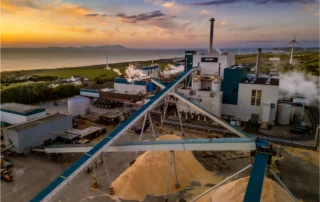
Holmen Workington increases sustainable power generation with HISS
Holmen Paper Mill in Workington, UK, identified an opportunity [...]

Interview with Hans Ladum-Poulsen, Heat Management’s newest representative
With many years of experience in the boiler and [...]
Future-Proofing Industrial Boilers: Trends in Data-Driven Cleaning and Predictive Maintenance
August 21, 2026 /
The silence is the worst part. One moment, your plant is a symphony of production—the steady hum of machinery, the roar of the boiler, the sound of progress. The next, an alarm screams, and that symphony grinds to a halt.
You know the feeling. It’s the cold dread of an unplanned shutdown, the frantic search for a cause, and the mounting pressure of lost revenue with every passing hour. For decades, the industry has accepted this as a cost of doing business, relying on maintenance strategies that are fundamentally reactive. The era of “run-to-failure” is over.
The truth is, traditional methods are a liability. Cleaning on a fixed schedule wastes precious energy and steam, while cleaning too late strangles your heat transfer efficiency. Decisions are made based on historical guesses, not the real-time truth of your boiler’s condition. This is data blindness, and it’s costing you more than you think. The future of your plant’s reliability and profitability lies in a radical shift—a move towards data-driven cleaning and truly predictive maintenance.
Trend 1: From Scheduled Cycles to Intelligent, On-Demand Cleaning
Imagine setting a fire alarm to go off every Tuesday at 10 AM, whether there’s a fire or not. It sounds absurd, yet that’s exactly how most industrial boilers are cleaned. Fixed-timer sootblowing cycles operate on a blind schedule, unleashing powerful blasts of steam regardless of whether the surfaces are clean or caked in deposits.
This brute-force approach is not just inefficient; it’s destructive. You’re either wasting massive amounts of steam cleaning surfaces that don’t need it or, worse, allowing unseen fouling to build up, which can reduce boiler performance and increase pollution. A study published by Springer highlights how optimizing sootblowing frequency improves boiler performance and reduces harmful emissions, proving that when you clean is as important as how.
The future is intelligent, responsive, and on-demand. Modern systems use an array of sensors to monitor the boiler’s vital signs in real-time—heat transfer rates, flue gas temperatures, and pressure drops. When these key performance indicators show a dip in efficiency, the system activates cleaning precisely where it’s needed. This is the core principle behind Heat Management’s HISS® (High Impact Sootblowing System), a technology that transforms cleaning from a blunt instrument into a surgical tool, ensuring maximum cleaning impact with minimal resource consumption.
Trend 2: The Rise of Real-Time Process Analytics and Fouling Prediction
What if you could stop a problem before it even starts? For most operators, identifying the root cause of fouling is a post-mortem analysis, a frustrating investigation conducted after a costly shutdown. You’re always one step behind, reacting to symptoms instead of treating the disease.
The game is changing, thanks to advanced process analytics that give you unprecedented visibility into your boiler’s internal environment. Instead of waiting for deposits to form, these systems provide a continuous stream of data on the very process variables that influence fouling, such as chemical composition and particle carryover. According to research featured on ScienceDirect, this kind of real-time fouling monitoring and soot-blowing parameter adjustment is critical for moving from a reactive to a proactive stance.
This is where technologies like Acospector™ Process Analytics are making their mark. By providing real-time fluid and gas analysis, Acospector™ gives engineers the power to see fouling potential as it develops and adjust process parameters to mitigate it at the source. This capability is exemplified in our Carryover Early Warning System, which uses patented detection to predict and prevent one of the most severe fouling events in recovery boilers, turning historical data into a powerful tool for predictive maintenance with real-time process analytics.
Trend 3: Integrating Non-Intrusive, Preventative Technologies
Conventional cleaning methods, like steam sootblowing, are a necessary evil. While effective, their aggressive nature can introduce thermal stress and mechanical wear, slowly eroding the very components they are meant to protect. Relying solely on these intrusive techniques is like using a sledgehammer for every task in the workshop.
A smarter, more sustainable strategy involves complementing these heavy-duty tools with continuous, non-intrusive technologies. These systems work quietly in the background, preventing the initial buildup of deposits before they can harden and require aggressive removal. Think of it as the difference between a daily brushing and an emergency dental procedure; one maintains health, while the other treats a crisis.
This is the role of Infrasound Cleaning. Our infrasound systems operate 24/7, generating low-frequency acoustic waves that create microscopic vibrations on heat transfer surfaces. This constant, gentle agitation prevents particulate matter from sintering into hard, insulating layers, particularly in the cooler sections of the boiler. By maintaining a higher baseline of cleanliness, infrasound technology reduces the overall load on primary sootblowing systems, extends the time between manual cleanings, and protects your assets from unnecessary wear and tear.
The Ultimate Goal: AI, Machine Learning, and the Self-Optimizing Boiler
The sheer volume of data generated by modern sensors can be overwhelming. This data is the fuel, but without a powerful engine to process it, you’re left with noise, not insight. The next frontier in boiler maintenance is the integration of Artificial Intelligence (AI) and Machine Learning (ML) to turn that flood of data into autonomous, intelligent action.
These advanced algorithms can identify complex patterns in operational data that are invisible to the human eye, predicting potential failures with astonishing accuracy. An academic study from Oxford University on long-term predictive maintenance frameworks underscores the power of using condition-based data to move beyond simple thresholds and into the realm of true prediction. This is the brain that will run the boiler of the future.
Picture this: a fully self-optimizing boiler system. Real-time process data from Acospector™ feeds directly into a central AI engine. This engine, constantly learning and adapting, autonomously directs cleaning actions through HISS® and Infrasound systems, making micro-adjustments to maintain peak efficiency, minimize emissions, and guarantee reliability—all without direct human intervention. This isn’t science fiction; it’s the logical destination of a data-driven strategy.
Conclusion: Future-Proofing is a Strategy, Not a Purchase
The path forward is clear. The industry is moving away from guesswork and brute force towards a future defined by intelligent on-demand cleaning, predictive process analytics, and integrated preventative technologies. This evolution is not just about upgrading equipment; it’s about fundamentally changing your approach to maintenance and reliability.
Future-proofing your industrial boiler isn’t about buying a single piece of hardware. It’s about adopting a comprehensive, data-driven strategy that weaves advanced monitoring, intelligent cleaning, and predictive analytics into a single, cohesive ecosystem. It’s about empowering your team with the insights they need to move from being reactive firefighters to proactive strategists.
The transition to predictive maintenance begins with better data. See how Heat Management’s process analytics are providing the real-time insights needed to optimize boiler performance. Explore Acospector™ Technology.
Latest news & articles
Meeting EU Emissions Standards Through Advanced Steam Sootblowing Technologies
The walls are closing in. For plant managers and engineers [...]
Holmen Workington increases sustainable power generation with HISS
Holmen Paper Mill in Workington, UK, identified an opportunity [...]
Interview with Hans Ladum-Poulsen, Heat Management’s newest representative
With many years of experience in the boiler and [...]