
The pressure is on. Every single day, you face a dual mandate that feels almost impossible to balance. On one hand, the C-suite demands maximum efficiency and output. On the other, regulators and the public demand a smaller environmental footprint and stricter compliance.
It’s a constant battle fought inside your boiler. The brutal truth is that inefficient boiler cleaning is a silent killer of both profitability and sustainability. Fouled surfaces act like an insulating blanket, crippling heat transfer, forcing you to burn more fuel just to keep up—and that extra fuel spews higher levels of harmful emissions directly into the atmosphere.
But what if the solution wasn’t just cleaning more? What if it was about cleaning smarter? This is where the game changes. Advanced, data-driven sootblowing optimization offers a direct path to conquering both mandates, turning a costly maintenance task into a powerful strategic lever for your plant’s success.
The Technical Link Between Fouling and Higher Emissions
The connection between a dirty boiler and a dirty smokestack is direct and unforgiving. When slag and ash build up on heat exchange surfaces, they choke your boiler’s ability to absorb energy. This degradation in heat transfer is the first domino to fall in a costly chain reaction.
As efficiency plummets, your Flue Gas Exit Temperature (FGET) begins to climb—a critical red flag indicating that valuable heat is escaping up the stack instead of making steam. According to industry data, even a minor increase in FGET can correspond to a 1-2% loss in boiler efficiency, a significant margin in a high-consumption environment. To compensate for this loss and maintain the required steam load, your only option is to increase the firing rate, which means burning more fuel.
This is where the emissions cascade begins. Burning more fuel directly leads to a proportional increase in fuel-dependent emissions like sulfur oxides (SOx) and CO₂. Worse, the higher combustion temperatures and excess air needed to burn that extra fuel create a perfect breeding ground for thermal Nitrogen Oxides (NOx), one of the most heavily regulated pollutants. This vicious cycle of inefficiency and pollution is why optimizing boiler efficiency using advanced sootblowing techniques is no longer a luxury, but a necessity.
Moving Beyond Timer-Based Cleaning: A Data-Driven Approach
For decades, the standard approach to sootblowing has been based on a simple timer. Every few hours, a sequence runs, blasting steam across surfaces regardless of their actual condition. This is like watering your entire lawn on a fixed schedule, even the parts that are already soaked from a rainstorm—it’s wasteful, ineffective, and can even cause damage.
This conventional, blind approach consumes massive amounts of high-value steam and causes erosion on clean tube surfaces. More critically, it completely misses the point. It fails to target the specific, stubborn deposits that are doing the most damage to your heat transfer rate, while neglecting other areas that are becoming critically fouled.
The modern solution is a fundamental shift from a reactive schedule to a predictive, intelligent strategy. It’s about giving your boiler a brain. By integrating data-driven solutions for sustainable energy efficiency, we can see exactly where and when fouling occurs, transforming boiler cleaning from a blunt instrument into a surgical tool.
Core Components of an Optimized System
The power of this new approach lies in a synergistic system. It starts with real-time monitoring from advanced sensors, with a process analytics engine like Acospector™ acting as the central nervous system. This system constantly analyzes heat transfer efficiency across the boiler, identifying problem areas the moment they begin to form.
Once a problem is identified, the system deploys the muscle: a HISS® (High Impact Sootblowing System). Unlike conventional sootblowers that deliver a wide, low-impact spray, HISS® uses targeted, high-pressure jets to deliver maximum cleaning energy precisely where it’s needed most. This allows for the removal of even the most tenacious slag with minimal steam consumption.
The true intelligence is in the dynamic sequencing. Instead of a fixed schedule, the system adjusts the cleaning frequency, sequence, and intensity based on live boiler conditions. This ensures that cleaning resources are deployed for maximum impact, a stark contrast you can explore in this comparison between conventional and smart sootblowing technologies.
Measurable Environmental and Operational Wins
When you clean smarter, the results are not just theoretical; they are immediate and quantifiable. By maintaining optimal heat transfer and stabilizing the combustion process, advanced sootblowing optimization delivers a powerful one-two punch against harmful emissions.
Direct Reduction in NOx Emissions
A stable, efficient combustion process is a clean one. By preventing the severe fouling that necessitates higher firing rates and temperature spikes, an optimized system minimizes the conditions that create thermal NOx. This allows you to maintain a lower, more stable combustion temperature, directly inhibiting NOx formation at its source and helping you stay well within your permitted limits.
Lowering Fuel-Dependent Emissions (SOx, CO₂)
This is the most straightforward benefit: a more efficient boiler burns less fuel. Every ton of coal, gallon of oil, or cubic meter of gas you don’t burn is a direct reduction in your plant’s carbon footprint and SOx output. This not only helps you meet environmental targets but also delivers significant fuel cost savings, a key factor in cutting operational costs and emissions in industrial boilers.
The ESG Advantage
These measurable reductions are more than just operational wins; they are a powerful statement about your company’s commitment to sustainability. Achieving significant cuts in NOx, SOx, and CO₂ provides concrete data for your Environmental, Social, and Governance (ESG) reporting. This enhances your corporate reputation, builds trust with stakeholders, and positions your organization as a leader in responsible industrial operations, a crucial step toward achieving EU emissions compliance and broader sustainability goals.
Case Study: Achieving Emission Control with HISS® Technology
Let’s move from theory to reality. Picture a biomass Combined Heat and Power (CHP) plant struggling with severe slagging on its superheaters. The fouling was so aggressive that the plant faced frequent, costly load reductions to conduct manual cleaning, and they were constantly battling to stay below their NOx emission limits.
The plant decided to retrofit its boiler with the HISS® system, integrated with real-time heat transfer monitoring. The goal was to move from reactive, crisis-driven cleaning to a proactive, data-driven strategy. The system was programmed to identify the onset of fouling and dispatch high-impact cleaning cycles with surgical precision before the deposits could sinter and grow.
The results, documented after implementation, were transformative. The plant provided data showing a clear and sustained improvement across key performance indicators. These real-world success stories show how industrial plants achieved emission reductions through targeted technological upgrades.
- Boiler Efficiency: Increased by over 2.5%
- NOx Emissions: Reduced by 18%
- Sootblowing Steam Use: Decreased by over 40%
- Flue Gas Temperature: Lowered by an average of 20°C
- Operational Benefit: Eliminated unplanned load reductions for cleaning
Sootblowing as a Key Lever for Sustainable Operations
The evidence is clear. Advanced sootblowing optimization is one of the most powerful, yet often overlooked, tools in your arsenal for emissions reduction. It is a direct intervention that breaks the vicious cycle of fouling, inefficiency, and pollution at its source.
The future of industrial boiler management is not about working harder; it’s about working smarter. Intelligent, data-driven systems that unite real-time analytics with high-performance hardware are the key to unlocking new levels of performance, reliability, and environmental stewardship—all at the same time.
At Heat Management, we believe that operational excellence and sustainability are two sides of the same coin. We are committed to partnering with industries like yours to navigate the transition to cleaner, more efficient, and more profitable operations.
Latest news & articles

Meeting EU Emissions Standards Through Advanced Steam Sootblowing Technologies
The walls are closing in. For plant managers and engineers [...]
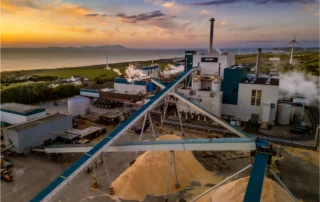
Holmen Workington increases sustainable power generation with HISS
Holmen Paper Mill in Workington, UK, identified an opportunity [...]

Interview with Hans Ladum-Poulsen, Heat Management’s newest representative
With many years of experience in the boiler and [...]
How Advanced Sootblowing Optimization Reduces Boiler Emissions
January 28, 2026 /

The pressure is on. Every single day, you face a dual mandate that feels almost impossible to balance. On one hand, the C-suite demands maximum efficiency and output. On the other, regulators and the public demand a smaller environmental footprint and stricter compliance.
It’s a constant battle fought inside your boiler. The brutal truth is that inefficient boiler cleaning is a silent killer of both profitability and sustainability. Fouled surfaces act like an insulating blanket, crippling heat transfer, forcing you to burn more fuel just to keep up—and that extra fuel spews higher levels of harmful emissions directly into the atmosphere.
But what if the solution wasn’t just cleaning more? What if it was about cleaning smarter? This is where the game changes. Advanced, data-driven sootblowing optimization offers a direct path to conquering both mandates, turning a costly maintenance task into a powerful strategic lever for your plant’s success.
The Technical Link Between Fouling and Higher Emissions
The connection between a dirty boiler and a dirty smokestack is direct and unforgiving. When slag and ash build up on heat exchange surfaces, they choke your boiler’s ability to absorb energy. This degradation in heat transfer is the first domino to fall in a costly chain reaction.
As efficiency plummets, your Flue Gas Exit Temperature (FGET) begins to climb—a critical red flag indicating that valuable heat is escaping up the stack instead of making steam. According to industry data, even a minor increase in FGET can correspond to a 1-2% loss in boiler efficiency, a significant margin in a high-consumption environment. To compensate for this loss and maintain the required steam load, your only option is to increase the firing rate, which means burning more fuel.
This is where the emissions cascade begins. Burning more fuel directly leads to a proportional increase in fuel-dependent emissions like sulfur oxides (SOx) and CO₂. Worse, the higher combustion temperatures and excess air needed to burn that extra fuel create a perfect breeding ground for thermal Nitrogen Oxides (NOx), one of the most heavily regulated pollutants. This vicious cycle of inefficiency and pollution is why optimizing boiler efficiency using advanced sootblowing techniques is no longer a luxury, but a necessity.
Moving Beyond Timer-Based Cleaning: A Data-Driven Approach
For decades, the standard approach to sootblowing has been based on a simple timer. Every few hours, a sequence runs, blasting steam across surfaces regardless of their actual condition. This is like watering your entire lawn on a fixed schedule, even the parts that are already soaked from a rainstorm—it’s wasteful, ineffective, and can even cause damage.
This conventional, blind approach consumes massive amounts of high-value steam and causes erosion on clean tube surfaces. More critically, it completely misses the point. It fails to target the specific, stubborn deposits that are doing the most damage to your heat transfer rate, while neglecting other areas that are becoming critically fouled.
The modern solution is a fundamental shift from a reactive schedule to a predictive, intelligent strategy. It’s about giving your boiler a brain. By integrating data-driven solutions for sustainable energy efficiency, we can see exactly where and when fouling occurs, transforming boiler cleaning from a blunt instrument into a surgical tool.
Core Components of an Optimized System
The power of this new approach lies in a synergistic system. It starts with real-time monitoring from advanced sensors, with a process analytics engine like Acospector™ acting as the central nervous system. This system constantly analyzes heat transfer efficiency across the boiler, identifying problem areas the moment they begin to form.
Once a problem is identified, the system deploys the muscle: a HISS® (High Impact Sootblowing System). Unlike conventional sootblowers that deliver a wide, low-impact spray, HISS® uses targeted, high-pressure jets to deliver maximum cleaning energy precisely where it’s needed most. This allows for the removal of even the most tenacious slag with minimal steam consumption.
The true intelligence is in the dynamic sequencing. Instead of a fixed schedule, the system adjusts the cleaning frequency, sequence, and intensity based on live boiler conditions. This ensures that cleaning resources are deployed for maximum impact, a stark contrast you can explore in this comparison between conventional and smart sootblowing technologies.
Measurable Environmental and Operational Wins
When you clean smarter, the results are not just theoretical; they are immediate and quantifiable. By maintaining optimal heat transfer and stabilizing the combustion process, advanced sootblowing optimization delivers a powerful one-two punch against harmful emissions.
Direct Reduction in NOx Emissions
A stable, efficient combustion process is a clean one. By preventing the severe fouling that necessitates higher firing rates and temperature spikes, an optimized system minimizes the conditions that create thermal NOx. This allows you to maintain a lower, more stable combustion temperature, directly inhibiting NOx formation at its source and helping you stay well within your permitted limits.
Lowering Fuel-Dependent Emissions (SOx, CO₂)
This is the most straightforward benefit: a more efficient boiler burns less fuel. Every ton of coal, gallon of oil, or cubic meter of gas you don’t burn is a direct reduction in your plant’s carbon footprint and SOx output. This not only helps you meet environmental targets but also delivers significant fuel cost savings, a key factor in cutting operational costs and emissions in industrial boilers.
The ESG Advantage
These measurable reductions are more than just operational wins; they are a powerful statement about your company’s commitment to sustainability. Achieving significant cuts in NOx, SOx, and CO₂ provides concrete data for your Environmental, Social, and Governance (ESG) reporting. This enhances your corporate reputation, builds trust with stakeholders, and positions your organization as a leader in responsible industrial operations, a crucial step toward achieving EU emissions compliance and broader sustainability goals.
Case Study: Achieving Emission Control with HISS® Technology
Let’s move from theory to reality. Picture a biomass Combined Heat and Power (CHP) plant struggling with severe slagging on its superheaters. The fouling was so aggressive that the plant faced frequent, costly load reductions to conduct manual cleaning, and they were constantly battling to stay below their NOx emission limits.
The plant decided to retrofit its boiler with the HISS® system, integrated with real-time heat transfer monitoring. The goal was to move from reactive, crisis-driven cleaning to a proactive, data-driven strategy. The system was programmed to identify the onset of fouling and dispatch high-impact cleaning cycles with surgical precision before the deposits could sinter and grow.
The results, documented after implementation, were transformative. The plant provided data showing a clear and sustained improvement across key performance indicators. These real-world success stories show how industrial plants achieved emission reductions through targeted technological upgrades.
- Boiler Efficiency: Increased by over 2.5%
- NOx Emissions: Reduced by 18%
- Sootblowing Steam Use: Decreased by over 40%
- Flue Gas Temperature: Lowered by an average of 20°C
- Operational Benefit: Eliminated unplanned load reductions for cleaning
Sootblowing as a Key Lever for Sustainable Operations
The evidence is clear. Advanced sootblowing optimization is one of the most powerful, yet often overlooked, tools in your arsenal for emissions reduction. It is a direct intervention that breaks the vicious cycle of fouling, inefficiency, and pollution at its source.
The future of industrial boiler management is not about working harder; it’s about working smarter. Intelligent, data-driven systems that unite real-time analytics with high-performance hardware are the key to unlocking new levels of performance, reliability, and environmental stewardship—all at the same time.
At Heat Management, we believe that operational excellence and sustainability are two sides of the same coin. We are committed to partnering with industries like yours to navigate the transition to cleaner, more efficient, and more profitable operations.
Latest news & articles
Meeting EU Emissions Standards Through Advanced Steam Sootblowing Technologies
The walls are closing in. For plant managers and engineers [...]
Holmen Workington increases sustainable power generation with HISS
Holmen Paper Mill in Workington, UK, identified an opportunity [...]
Interview with Hans Ladum-Poulsen, Heat Management’s newest representative
With many years of experience in the boiler and [...]