

Energy Efficiency Strategies: Comparing Traditional vs. Data-Driven Boiler Cleaning Methods
February 20, 2026 /

Every plant manager feels it. That nagging sense that hidden inefficiencies are eating away at your profits. You know that fouling is the enemy, a relentless thief of thermal efficiency. But what if the very strategy you use to fight it is secretly sabotaging your performance?
Traditional, schedule-based boiler cleaning operates on a dangerous assumption: that a fixed timer knows more about your boiler than your boiler does. This approach forces you into a costly guessing game, often resulting in over-cleaning that wastes steam and erodes your equipment, or under-cleaning that allows efficiency-killing deposits to build. This reactive cycle leaves a staggering amount of energy, money, and production potential on the table.
This isn’t just another article about cleaning. This is a direct comparison between the old way of doing things and a new, intelligent methodology. We will break down how a strategic shift from cleaning-by-the-clock to data-driven, on-demand cleaning translates directly into superior energy efficiency, lower operational costs, and a stronger, more sustainable bottom line.
The Traditional Approach: Cleaning by the Clock
Understanding Time-Based Boiler Cleaning
For decades, the standard operating procedure has been simple: clean the boiler on a fixed schedule. Whether it’s once per shift or every eight hours, a timer dictates when the sootblowers fire. This method is straightforward, but it’s blind to the boiler’s actual, moment-to-moment condition.
This approach relies on manual inspections during precious shutdowns and fixed-sequence steam sootblowing. Operators might react to a sudden, obvious drop in performance, but by then, the damage to your efficiency is already done. According to EPA guidelines, this kind of fixed-sequence cleaning every 4-12 hours has long been the standard, but it completely ignores critical variables like changing fuel quality or boiler load.
The core philosophy is one of routine rather than response. It treats the boiler as a static, predictable machine in a dynamic, unpredictable environment. This fundamental mismatch is where the deep-seated inefficiencies begin.
The Inherent Limitations and Inefficiencies
Cleaning when you don’t need to is like throwing money into the firebox. Unnecessary sootblowing cycles consume enormous amounts of high-pressure steam, a costly resource you generated just moments before. The U.S. Department of Energy notes that this excess steam consumption can account for a shocking 10-20% of a boiler’s total output, representing a massive and continuous energy drain.
Worse yet, this brute-force method actively harms your most valuable assets. Constant, poorly timed steam blasting accelerates tube erosion and causes thermal stress, leading to premature wear and costly repairs. This can increase annual maintenance costs by as much as 15-25%, a significant financial blow documented in boiler compliance and cleaning strategy reports.
Ultimately, this inconsistency sabotages your production goals. As fouling builds up between scheduled cleans, heat transfer rates plummet, causing efficiency to fluctuate wildly. A 2023 article in Power Magazine highlights how these cycles can cause efficiency drops of 2-4%, and when fouling builds faster than the schedule predicts, you face the ultimate risk: an unplanned shutdown.
The Modern Approach: Cleaning by the Numbers
The Core Principles of Data-Driven Boiler Cleaning
Imagine your boiler could tell you exactly when and where it needs to be cleaned. That is the essence of data-driven, condition-based cleaning. Instead of a blind timer, this modern approach uses real-time data from advanced sensors to initiate cleaning with surgical precision.
This intelligent ecosystem is built on a powerful technology stack. It starts with sensing and monitoring, then moves to intelligent control, and finishes with precision execution. This creates a closed-loop system that optimizes performance continuously.
Real-Time Process Analytics
The foundation of this strategy is knowing what’s happening inside your boiler right now. Advanced systems provide a live, transparent view of boiler cleanliness by tracking key process variables. By monitoring factors that indicate fouling potential or carryover events, you can move from reacting to problems to proactively preventing them, a core principle behind optimizing boiler maintenance with predictive analytics.
This data stream feeds into a control system—the brains of the operation. It analyzes heat transfer efficiency, flue gas temperatures, and pressure differentials to determine the exact moment cleaning is required. Finally, the system activates specific cleaning equipment in targeted areas, using the minimum energy necessary to restore optimal heat transfer.
Advanced Data-Driven Cleaning Technologies in Practice
This isn’t theoretical; these technologies are delivering results in demanding industrial environments today. They represent the “how” behind the data-driven philosophy, turning sensor data into powerful, efficient action.
High Impact Sootblowing Systems (HISS®)
A High Impact Sootblowing System (HISS®) is the muscle of a data-driven strategy. Triggered by real-time data, not a clock, it uses optimized nozzle designs and intelligent sequencing to deliver maximum cleaning force with minimal steam. A whitepaper from GE Vernova on advanced sootblowing systems shows that such optimized technologies can reduce steam consumption by 40% in recovery boilers compared to conventional methods.
Infrasound Cleaning
If HISS® is the targeted solution, infrasound cleaning is the ultimate prevention. This technology uses low-frequency sound waves to create continuous, gentle vibrations on boiler surfaces, preventing ash and soot particles from ever forming hard-sintered layers. Its operation is optimized based on real-time boiler load and fouling data, ensuring it works to prevent boiler fouling before it becomes a problem. This preventative layer dramatically reduces the need for aggressive steam sootblowing, with some plants cutting steam usage by over 50%.
Head-to-Head Comparison: Traditional vs. Data-Driven
A Comparative Analysis of Key Performance Metrics
When you place these two philosophies side-by-side, the advantages of an intelligent, data-driven approach become undeniable. It isn’t an incremental improvement; it’s a fundamental upgrade in how you manage your boiler’s health and efficiency. The difference is stark across every critical performance metric.
| Metric | Traditional (Time-Based) | Data-Driven (Condition-Based) |
|---|---|---|
| Cleaning Trigger | Fixed schedule (e.g., every 8 hours) | Real-time data (heat flux, pressure drop) |
| Precision | Low (entire sections cleaned) | High (targeted cleaning of fouled areas) |
| Steam Consumption | High and often wasteful | Optimized and significantly lower |
| Energy Efficiency | Fluctuates, trends downward between cleans | Stable and consistently high |
| Equipment Wear | Higher risk of erosion and thermal stress | Minimized; extends equipment lifespan |
| Operational Focus | Reactive (responding to schedule) | Proactive & Predictive (preventing buildup) |
| Adaptability | Poor (cannot adjust to fuel/load changes) | Excellent (dynamically adjusts to conditions) |
Quantifying the Impact: ROI and Sustainability Gains
Calculating the Return on Investment (ROI) of Data-Driven Cleaning
The shift to a data-driven strategy pays for itself, often much faster than you’d expect. A 20% reduction in sootblowing steam can yield a 1-2% improvement in overall boiler efficiency, saving thousands in annual fuel costs. According to the International Energy Agency, such condition-based systems can deliver a payback period of just 18 months through fuel savings alone.
The financial benefits extend far beyond fuel. Stable heat transfer leads to more consistent steam production, boosting plant output and reducing costly downtime. Furthermore, by minimizing erosion and thermal shock, you significantly reduce long-term maintenance costs associated with premature tube repairs and replacements, a key factor in extending boiler lifespan.
For a more detailed analysis, you can explore our guide on data-driven sootblowing for cost and emission reduction, which breaks down how these savings accumulate.
The ESG Advantage: Linking Efficiency to Emissions Reduction
In today’s world, operational efficiency and environmental responsibility are two sides of the same coin. Improving your boiler’s efficiency has a direct and measurable impact on your plant’s environmental footprint. When you burn less fuel to produce the same amount of energy, you inherently reduce emissions of CO₂, NOx, and other pollutants.
This isn’t just good for the planet; it’s good for business. Data-driven cleaning helps your facility meet increasingly stringent regulatory requirements and achieve corporate sustainability goals. Digital platforms using AI-driven analytics have been shown to deliver 10% reductions in CO2, transforming a maintenance task into a powerful tool for your ESG strategy.
Conclusion: From a Necessary Chore to a Strategic Advantage
Boiler cleaning is no longer just a maintenance chore. It is a critical lever for unlocking operational excellence, financial savings, and environmental leadership. The evidence is clear: clinging to outdated, time-based cleaning methods means leaving money on the table every single shift.
The transition to a data-driven methodology represents a fundamental shift from a reactive to a proactive operational philosophy. It’s about taking control, armed with real-time information and intelligent tools. By leveraging advanced systems like HISS® and Infrasound Cleaning, industrial plants can achieve a level of performance and stability that was previously out of reach.
Want to see the data for yourself? Explore our solutions to see how pulp & paper mills have reduced steam consumption by over 30% with data-driven sootblowing. If you’re ready to move beyond the clock, it’s time to learn more about our boiler optimization solutions.
Latest news & articles

Meeting EU Emissions Standards Through Advanced Steam Sootblowing Technologies
The walls are closing in. For plant managers and engineers [...]
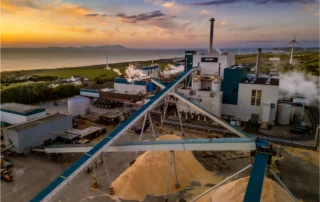
Holmen Workington increases sustainable power generation with HISS
Holmen Paper Mill in Workington, UK, identified an opportunity [...]

Interview with Hans Ladum-Poulsen, Heat Management’s newest representative
With many years of experience in the boiler and [...]
Energy Efficiency Strategies: Comparing Traditional vs. Data-Driven Boiler Cleaning Methods
February 20, 2026 /
Every plant manager feels it. That nagging sense that hidden inefficiencies are eating away at your profits. You know that fouling is the enemy, a relentless thief of thermal efficiency. But what if the very strategy you use to fight it is secretly sabotaging your performance?
Traditional, schedule-based boiler cleaning operates on a dangerous assumption: that a fixed timer knows more about your boiler than your boiler does. This approach forces you into a costly guessing game, often resulting in over-cleaning that wastes steam and erodes your equipment, or under-cleaning that allows efficiency-killing deposits to build. This reactive cycle leaves a staggering amount of energy, money, and production potential on the table.
This isn’t just another article about cleaning. This is a direct comparison between the old way of doing things and a new, intelligent methodology. We will break down how a strategic shift from cleaning-by-the-clock to data-driven, on-demand cleaning translates directly into superior energy efficiency, lower operational costs, and a stronger, more sustainable bottom line.
The Traditional Approach: Cleaning by the Clock
Understanding Time-Based Boiler Cleaning
For decades, the standard operating procedure has been simple: clean the boiler on a fixed schedule. Whether it’s once per shift or every eight hours, a timer dictates when the sootblowers fire. This method is straightforward, but it’s blind to the boiler’s actual, moment-to-moment condition.
This approach relies on manual inspections during precious shutdowns and fixed-sequence steam sootblowing. Operators might react to a sudden, obvious drop in performance, but by then, the damage to your efficiency is already done. According to EPA guidelines, this kind of fixed-sequence cleaning every 4-12 hours has long been the standard, but it completely ignores critical variables like changing fuel quality or boiler load.
The core philosophy is one of routine rather than response. It treats the boiler as a static, predictable machine in a dynamic, unpredictable environment. This fundamental mismatch is where the deep-seated inefficiencies begin.
The Inherent Limitations and Inefficiencies
Cleaning when you don’t need to is like throwing money into the firebox. Unnecessary sootblowing cycles consume enormous amounts of high-pressure steam, a costly resource you generated just moments before. The U.S. Department of Energy notes that this excess steam consumption can account for a shocking 10-20% of a boiler’s total output, representing a massive and continuous energy drain.
Worse yet, this brute-force method actively harms your most valuable assets. Constant, poorly timed steam blasting accelerates tube erosion and causes thermal stress, leading to premature wear and costly repairs. This can increase annual maintenance costs by as much as 15-25%, a significant financial blow documented in boiler compliance and cleaning strategy reports.
Ultimately, this inconsistency sabotages your production goals. As fouling builds up between scheduled cleans, heat transfer rates plummet, causing efficiency to fluctuate wildly. A 2023 article in Power Magazine highlights how these cycles can cause efficiency drops of 2-4%, and when fouling builds faster than the schedule predicts, you face the ultimate risk: an unplanned shutdown.
The Modern Approach: Cleaning by the Numbers
The Core Principles of Data-Driven Boiler Cleaning
Imagine your boiler could tell you exactly when and where it needs to be cleaned. That is the essence of data-driven, condition-based cleaning. Instead of a blind timer, this modern approach uses real-time data from advanced sensors to initiate cleaning with surgical precision.
This intelligent ecosystem is built on a powerful technology stack. It starts with sensing and monitoring, then moves to intelligent control, and finishes with precision execution. This creates a closed-loop system that optimizes performance continuously.
Real-Time Process Analytics
The foundation of this strategy is knowing what’s happening inside your boiler right now. Advanced systems provide a live, transparent view of boiler cleanliness by tracking key process variables. By monitoring factors that indicate fouling potential or carryover events, you can move from reacting to problems to proactively preventing them, a core principle behind optimizing boiler maintenance with predictive analytics.
This data stream feeds into a control system—the brains of the operation. It analyzes heat transfer efficiency, flue gas temperatures, and pressure differentials to determine the exact moment cleaning is required. Finally, the system activates specific cleaning equipment in targeted areas, using the minimum energy necessary to restore optimal heat transfer.
Advanced Data-Driven Cleaning Technologies in Practice
This isn’t theoretical; these technologies are delivering results in demanding industrial environments today. They represent the “how” behind the data-driven philosophy, turning sensor data into powerful, efficient action.
High Impact Sootblowing Systems (HISS®)
A High Impact Sootblowing System (HISS®) is the muscle of a data-driven strategy. Triggered by real-time data, not a clock, it uses optimized nozzle designs and intelligent sequencing to deliver maximum cleaning force with minimal steam. A whitepaper from GE Vernova on advanced sootblowing systems shows that such optimized technologies can reduce steam consumption by 40% in recovery boilers compared to conventional methods.
Infrasound Cleaning
If HISS® is the targeted solution, infrasound cleaning is the ultimate prevention. This technology uses low-frequency sound waves to create continuous, gentle vibrations on boiler surfaces, preventing ash and soot particles from ever forming hard-sintered layers. Its operation is optimized based on real-time boiler load and fouling data, ensuring it works to prevent boiler fouling before it becomes a problem. This preventative layer dramatically reduces the need for aggressive steam sootblowing, with some plants cutting steam usage by over 50%.
Head-to-Head Comparison: Traditional vs. Data-Driven
A Comparative Analysis of Key Performance Metrics
When you place these two philosophies side-by-side, the advantages of an intelligent, data-driven approach become undeniable. It isn’t an incremental improvement; it’s a fundamental upgrade in how you manage your boiler’s health and efficiency. The difference is stark across every critical performance metric.
| Metric | Traditional (Time-Based) | Data-Driven (Condition-Based) |
|---|---|---|
| Cleaning Trigger | Fixed schedule (e.g., every 8 hours) | Real-time data (heat flux, pressure drop) |
| Precision | Low (entire sections cleaned) | High (targeted cleaning of fouled areas) |
| Steam Consumption | High and often wasteful | Optimized and significantly lower |
| Energy Efficiency | Fluctuates, trends downward between cleans | Stable and consistently high |
| Equipment Wear | Higher risk of erosion and thermal stress | Minimized; extends equipment lifespan |
| Operational Focus | Reactive (responding to schedule) | Proactive & Predictive (preventing buildup) |
| Adaptability | Poor (cannot adjust to fuel/load changes) | Excellent (dynamically adjusts to conditions) |
Quantifying the Impact: ROI and Sustainability Gains
Calculating the Return on Investment (ROI) of Data-Driven Cleaning
The shift to a data-driven strategy pays for itself, often much faster than you’d expect. A 20% reduction in sootblowing steam can yield a 1-2% improvement in overall boiler efficiency, saving thousands in annual fuel costs. According to the International Energy Agency, such condition-based systems can deliver a payback period of just 18 months through fuel savings alone.
The financial benefits extend far beyond fuel. Stable heat transfer leads to more consistent steam production, boosting plant output and reducing costly downtime. Furthermore, by minimizing erosion and thermal shock, you significantly reduce long-term maintenance costs associated with premature tube repairs and replacements, a key factor in extending boiler lifespan.
For a more detailed analysis, you can explore our guide on data-driven sootblowing for cost and emission reduction, which breaks down how these savings accumulate.
The ESG Advantage: Linking Efficiency to Emissions Reduction
In today’s world, operational efficiency and environmental responsibility are two sides of the same coin. Improving your boiler’s efficiency has a direct and measurable impact on your plant’s environmental footprint. When you burn less fuel to produce the same amount of energy, you inherently reduce emissions of CO₂, NOx, and other pollutants.
This isn’t just good for the planet; it’s good for business. Data-driven cleaning helps your facility meet increasingly stringent regulatory requirements and achieve corporate sustainability goals. Digital platforms using AI-driven analytics have been shown to deliver 10% reductions in CO2, transforming a maintenance task into a powerful tool for your ESG strategy.
Conclusion: From a Necessary Chore to a Strategic Advantage
Boiler cleaning is no longer just a maintenance chore. It is a critical lever for unlocking operational excellence, financial savings, and environmental leadership. The evidence is clear: clinging to outdated, time-based cleaning methods means leaving money on the table every single shift.
The transition to a data-driven methodology represents a fundamental shift from a reactive to a proactive operational philosophy. It’s about taking control, armed with real-time information and intelligent tools. By leveraging advanced systems like HISS® and Infrasound Cleaning, industrial plants can achieve a level of performance and stability that was previously out of reach.
Want to see the data for yourself? Explore our solutions to see how pulp & paper mills have reduced steam consumption by over 30% with data-driven sootblowing. If you’re ready to move beyond the clock, it’s time to learn more about our boiler optimization solutions.
Latest news & articles
Meeting EU Emissions Standards Through Advanced Steam Sootblowing Technologies
The walls are closing in. For plant managers and engineers [...]
Holmen Workington increases sustainable power generation with HISS
Holmen Paper Mill in Workington, UK, identified an opportunity [...]
Interview with Hans Ladum-Poulsen, Heat Management’s newest representative
With many years of experience in the boiler and [...]