

Data-Driven Sootblowing Optimization: Cutting Operational Costs and Emissions in Industrial Boilers
November 17, 2025 /

Every single day, your boiler is bleeding money. It’s a slow, steady drain that most plant managers have been forced to accept as a simple cost of doing business. Every ton of high-pressure steam blasted into your boiler for cleaning is a ton that isn’t generating power or driving production, forcing a painful choice between boiler cleanliness and operational efficiency.
For decades, the standard approach has been scheduled sootblowing—a blunt instrument in an age that demands surgical precision. This “good enough” strategy wastes colossal amounts of energy, accelerates tube wear, and pumps unnecessary emissions into the atmosphere. According to the Swedish Energy Agency, traditional steam sootblowing can consume a staggering 5-10% of all steam produced by a recovery boiler.
But what if that choice was a false one? By shifting from a rigid, time-based schedule to an intelligent, data-driven strategy, you can transform sootblowing from a costly necessity into a powerful tool for financial and environmental optimization. It’s time to stop guessing and start knowing.
The Flaws of Traditional Sootblowing: A Two-Sided Coin
Why Scheduled Cleaning Leads to Inefficiency and Risk
The old way of doing things is a gamble where you lose no matter how the coin lands. On one side, you have the immense cost of over-cleaning. On the other, you face the catastrophic danger of under-cleaning.
Imagine blasting your boiler tubes with high-pressure steam when they are already clean. This isn’t just wasteful; it’s actively harmful. You are essentially sandblasting your assets, causing tube erosion that leads to expensive maintenance, shortened equipment life, and the ever-present threat of a forced outage.
Now, consider the alternative: under-cleaning. As soot and ash build up, they form an insulating layer—a phenomenon known as fouling—that chokes your boiler’s ability to transfer heat. This crippling inefficiency forces you to burn more fuel just to maintain the same steam output, driving up both your operational costs and your CO₂ emissions. If left unchecked, severe fouling can lead to a complete shutdown for manual cleaning, a production nightmare that torpedoes targets and shatters budgets.
The Solution: Shifting to Intelligent, Needs-Based Cleaning
From Timers and Guesses to Real-Time Process Intelligence
The answer isn’t to clean more or less, but to clean smarter. The fundamental principle is revolutionary in its simplicity: clean specific areas of the boiler only when and where real-time data indicates it is absolutely necessary. This marks the end of arbitrary schedules and the dawn of precision, needs-based maintenance.
This strategy relies on monitoring critical metrics that act as your boiler’s vital signs. By tracking the Heat Transfer Coefficient, Flue Gas Temperature Differentials, and the ratio of Steam Flow vs. Fuel Input, you gain an unprecedented, real-time view of your boiler’s health. These data points don’t just tell you if there’s a problem; they tell you where it is, allowing for a targeted response.
This is where technology transforms strategy into reality. The “brain” of the operation, a system like Acospector™, provides the continuous process analytics needed to detect fouling the moment it begins. This data then activates the “muscle”—a precision cleaning system like the High Impact Sootblowing System (HISS®). HISS® is engineered to deliver maximum cleaning force with minimum steam, targeting the identified problem area with surgical accuracy.
The Dual Impact: A Cost-Benefit Analysis for Modern Boilers
Quantifying the Financial and Environmental ROI
When you arm your boiler with intelligence, the results are immediate, measurable, and profound. The impact strikes on two critical fronts: your bottom line and your environmental footprint. This isn’t about incremental gains; it’s about a fundamental shift in operational performance.
First, let’s talk about slashing operational costs. Plants that implement data-driven sootblowing strategies typically see a 30-50% reduction in steam consumption for cleaning. This translates directly into lower fuel burn and significant financial savings. Furthermore, by monitoring data trends, you can move from reactive repairs to predictive maintenance, preventing the costly emergency shutdowns that destroy profitability and create production chaos.
Second, you drastically reduce your environmental footprint. The direct correlation between lower fuel consumption and reduced CO₂ emissions provides a clear path to achieving corporate ESG and regulatory targets. A stable, efficiently run boiler also produces lower levels of NOx and other pollutants, ensuring compliance with increasingly strict standards like the EU energy directives. This transforms your boiler from a liability into a strategic asset for sustainability.
Real-World Application: Data-Driven Sootblowing in a Biomass Plant
This isn’t theoretical. Consider the case of a biomass-to-energy plant that was fighting a losing battle with severe fouling in its superheater section. The problem forced them to constantly reduce their boiler load and perform frequent, labor-intensive manual cleanings.
They implemented a data-driven solution, using real-time heat transfer monitoring to control their HISS® installation. The system was programmed to automatically trigger short, targeted cleaning cycles only when and where efficiency began to drop. The guesswork was eliminated, replaced by automated, data-backed precision.
The results were transformative. The plant achieved a 40% reduction in annual sootblowing steam consumption and was able to maintain a stable, full boiler load for much longer periods. Most critically, the time between manual cleanings was extended by 25%, a massive win for uptime and operational reliability. The calculated annual CO₂ reduction was equivalent to taking 150 cars off the road, proving that what’s good for the balance sheet is also good for the planet.
Conclusion: The Future of Boiler Maintenance is Intelligent
The era of flying blind is over. Data-driven sootblowing optimization is no longer a futuristic concept but a proven, accessible strategy for any modern industrial facility. It elevates boiler cleaning from a reactive, costly chore to a proactive, value-adding process that directly impacts profitability and sustainability.
In a world where every dollar and every emission counts, leveraging data is the definitive key to unlocking new levels of efficiency and reliability. The question is no longer if you can afford to upgrade to an intelligent system, but how much longer you can afford not to.
Latest news & articles

Meeting EU Emissions Standards Through Advanced Steam Sootblowing Technologies
The walls are closing in. For plant managers and engineers [...]
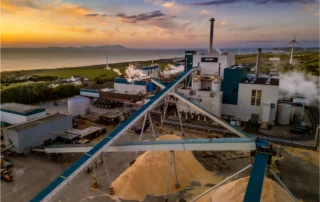
Holmen Workington increases sustainable power generation with HISS
Holmen Paper Mill in Workington, UK, identified an opportunity [...]

Interview with Hans Ladum-Poulsen, Heat Management’s newest representative
With many years of experience in the boiler and [...]
Data-Driven Sootblowing Optimization: Cutting Operational Costs and Emissions in Industrial Boilers
November 17, 2025 /
Every single day, your boiler is bleeding money. It’s a slow, steady drain that most plant managers have been forced to accept as a simple cost of doing business. Every ton of high-pressure steam blasted into your boiler for cleaning is a ton that isn’t generating power or driving production, forcing a painful choice between boiler cleanliness and operational efficiency.
For decades, the standard approach has been scheduled sootblowing—a blunt instrument in an age that demands surgical precision. This “good enough” strategy wastes colossal amounts of energy, accelerates tube wear, and pumps unnecessary emissions into the atmosphere. According to the Swedish Energy Agency, traditional steam sootblowing can consume a staggering 5-10% of all steam produced by a recovery boiler.
But what if that choice was a false one? By shifting from a rigid, time-based schedule to an intelligent, data-driven strategy, you can transform sootblowing from a costly necessity into a powerful tool for financial and environmental optimization. It’s time to stop guessing and start knowing.
The Flaws of Traditional Sootblowing: A Two-Sided Coin
Why Scheduled Cleaning Leads to Inefficiency and Risk
The old way of doing things is a gamble where you lose no matter how the coin lands. On one side, you have the immense cost of over-cleaning. On the other, you face the catastrophic danger of under-cleaning.
Imagine blasting your boiler tubes with high-pressure steam when they are already clean. This isn’t just wasteful; it’s actively harmful. You are essentially sandblasting your assets, causing tube erosion that leads to expensive maintenance, shortened equipment life, and the ever-present threat of a forced outage.
Now, consider the alternative: under-cleaning. As soot and ash build up, they form an insulating layer—a phenomenon known as fouling—that chokes your boiler’s ability to transfer heat. This crippling inefficiency forces you to burn more fuel just to maintain the same steam output, driving up both your operational costs and your CO₂ emissions. If left unchecked, severe fouling can lead to a complete shutdown for manual cleaning, a production nightmare that torpedoes targets and shatters budgets.
The Solution: Shifting to Intelligent, Needs-Based Cleaning
From Timers and Guesses to Real-Time Process Intelligence
The answer isn’t to clean more or less, but to clean smarter. The fundamental principle is revolutionary in its simplicity: clean specific areas of the boiler only when and where real-time data indicates it is absolutely necessary. This marks the end of arbitrary schedules and the dawn of precision, needs-based maintenance.
This strategy relies on monitoring critical metrics that act as your boiler’s vital signs. By tracking the Heat Transfer Coefficient, Flue Gas Temperature Differentials, and the ratio of Steam Flow vs. Fuel Input, you gain an unprecedented, real-time view of your boiler’s health. These data points don’t just tell you if there’s a problem; they tell you where it is, allowing for a targeted response.
This is where technology transforms strategy into reality. The “brain” of the operation, a system like Acospector™, provides the continuous process analytics needed to detect fouling the moment it begins. This data then activates the “muscle”—a precision cleaning system like the High Impact Sootblowing System (HISS®). HISS® is engineered to deliver maximum cleaning force with minimum steam, targeting the identified problem area with surgical accuracy.
The Dual Impact: A Cost-Benefit Analysis for Modern Boilers
Quantifying the Financial and Environmental ROI
When you arm your boiler with intelligence, the results are immediate, measurable, and profound. The impact strikes on two critical fronts: your bottom line and your environmental footprint. This isn’t about incremental gains; it’s about a fundamental shift in operational performance.
First, let’s talk about slashing operational costs. Plants that implement data-driven sootblowing strategies typically see a 30-50% reduction in steam consumption for cleaning. This translates directly into lower fuel burn and significant financial savings. Furthermore, by monitoring data trends, you can move from reactive repairs to predictive maintenance, preventing the costly emergency shutdowns that destroy profitability and create production chaos.
Second, you drastically reduce your environmental footprint. The direct correlation between lower fuel consumption and reduced CO₂ emissions provides a clear path to achieving corporate ESG and regulatory targets. A stable, efficiently run boiler also produces lower levels of NOx and other pollutants, ensuring compliance with increasingly strict standards like the EU energy directives. This transforms your boiler from a liability into a strategic asset for sustainability.
Real-World Application: Data-Driven Sootblowing in a Biomass Plant
This isn’t theoretical. Consider the case of a biomass-to-energy plant that was fighting a losing battle with severe fouling in its superheater section. The problem forced them to constantly reduce their boiler load and perform frequent, labor-intensive manual cleanings.
They implemented a data-driven solution, using real-time heat transfer monitoring to control their HISS® installation. The system was programmed to automatically trigger short, targeted cleaning cycles only when and where efficiency began to drop. The guesswork was eliminated, replaced by automated, data-backed precision.
The results were transformative. The plant achieved a 40% reduction in annual sootblowing steam consumption and was able to maintain a stable, full boiler load for much longer periods. Most critically, the time between manual cleanings was extended by 25%, a massive win for uptime and operational reliability. The calculated annual CO₂ reduction was equivalent to taking 150 cars off the road, proving that what’s good for the balance sheet is also good for the planet.
Conclusion: The Future of Boiler Maintenance is Intelligent
The era of flying blind is over. Data-driven sootblowing optimization is no longer a futuristic concept but a proven, accessible strategy for any modern industrial facility. It elevates boiler cleaning from a reactive, costly chore to a proactive, value-adding process that directly impacts profitability and sustainability.
In a world where every dollar and every emission counts, leveraging data is the definitive key to unlocking new levels of efficiency and reliability. The question is no longer if you can afford to upgrade to an intelligent system, but how much longer you can afford not to.
Latest news & articles
Meeting EU Emissions Standards Through Advanced Steam Sootblowing Technologies
The walls are closing in. For plant managers and engineers [...]
Holmen Workington increases sustainable power generation with HISS
Holmen Paper Mill in Workington, UK, identified an opportunity [...]
Interview with Hans Ladum-Poulsen, Heat Management’s newest representative
With many years of experience in the boiler and [...]