
Improving Industrial Boiler Sustainability: Reducing Emissions Through Optimized Cleaning Technologies
November 27, 2025 /

You feel it every day. The immense pressure to push your plant to its operational limits while simultaneously satisfying the crushing weight of environmental, social, and governance goals. It’s a dual mandate that leaves no room for error. You’re expected to maximize output, minimize costs, and somehow, shrink your environmental footprint—all at the same time.
But what if one of the biggest obstacles to achieving this balance isn’t a complex process or a massive capital expenditure? What if it’s something you see every day but may have dismissed as a simple maintenance headache? We’re talking about boiler fouling—the silent saboteur of efficiency and a significant, often overlooked, driver of harmful emissions.
This isn’t just about keeping things clean. This is about fundamentally shifting your perspective. This article provides a direct, technical breakdown of how strategic, optimized boiler cleaning technologies are a critical lever for industrial boiler sustainability, directly reducing fuel consumption and slashing harmful emissions like CO₂, NOx, and SOx.
The Hidden Connection: How Fouling Degrades Both Performance and Environmental Footprint
It’s easy to see a layer of soot and think only of the physical cleanup. But the real damage is invisible. That layer of fouling is a thermal barrier, a hidden disease that infects your entire operation, degrading performance and poisoning the air.
The Thermal Efficiency Penalty: Burning More Fuel for the Same Output
Think of soot and ash as a thick, unwanted blanket wrapped around your boiler’s heat transfer surfaces. This insulating layer chokes the boiler’s ability to absorb heat effectively. To compensate and maintain the required steam temperature and pressure, the system has only one choice: burn more fuel.
This isn’t a minor adjustment. According to guidance from the U.S. Environmental Protection Agency, even small inefficiencies in boiler operations can lead to a significant increase in fuel consumption and, consequently, a direct rise in greenhouse gas emissions. Every extra ton of coal, gallon of oil, or cubic meter of gas burned just to overcome fouling adds directly to your plant’s CO₂ output per unit of energy produced.
You are literally burning money and polluting the air just to fight a battle against a layer of dust. This inefficiency tax is paid in wasted fuel and increased carbon emissions, a penalty that compounds with every hour of operation. It’s a losing game driven by a problem that has a smarter solution.
The Combustion Instability Problem: The Rise of NOx, SOx, and Particulates
The damage from fouling extends far beyond simple heat transfer. As deposits build unevenly, they disrupt the carefully engineered gas flow and temperature profiles inside the boiler. This creates chaotic conditions, leading to pockets of incomplete and inefficient combustion.
This instability is a breeding ground for poison. Inefficient combustion is a primary cause of increased Nitrogen Oxides (NOx), Sulfur Oxides (SOx), and particulate matter (PM). As noted in boiler efficiency guidelines, controlling the fuel and air mix is critical; low-NOx burners, for instance, can reduce NOx formation by 50% by optimizing this very process—a process that fouling actively undermines.
These aren’t just acronyms on a compliance sheet; they are harmful pollutants with real-world health consequences, contributing to smog, acid rain, and respiratory illnesses. By allowing fouling to dictate your combustion environment, you are inadvertently increasing your output of these dangerous emissions, putting your plant at risk of regulatory penalties and damaging your company’s public standing.
The Inefficiency of Conventional Cleaning
For decades, the standard response has been a brute-force, calendar-based approach to sootblowing. This method blasts surfaces with high volumes of steam at set intervals, regardless of the actual need. It’s a strategy that is both wasteful and potentially damaging.
This approach consumes enormous amounts of steam, representing a significant auxiliary energy cost and an emissions burden in its own right. Furthermore, the repeated thermal shocks can stress boiler components, leading to premature wear and potential failures. It’s a reactive, inefficient cycle that fails to address the root cause, highlighting the severe drawbacks of conventional sootblowing methods when compared to modern, intelligent alternatives.
A Strategic Approach: Leveraging Technology for Sustainable Cleaning
The cycle of fouling, inefficiency, and reactive cleaning is not inevitable. The future of sustainable boiler operation lies in moving away from brute force and embracing a smarter, more strategic philosophy. It’s about using technology to get ahead of the problem.
Precision and Prevention: The Foundation of Modern Boiler Cleaning
The modern approach is a complete paradigm shift. Instead of waiting for fouling to become a problem and then blasting it away, we must move to a proactive, data-driven cleaning strategy. This means using real-time data to understand precisely when and where to clean, and in many cases, preventing the hard deposits from forming in the first place.
This philosophy transforms cleaning from a janitorial task into a high-level operational strategy. It’s about maintaining peak efficiency and stable combustion continuously, not just for a few days after a scheduled cleaning. By leveraging data-driven cleaning solutions, you turn a reactive maintenance cost into a proactive tool for performance and sustainability.
High-Impact, Low-Consumption Sootblowing (The HISS® Principle)
Imagine achieving a superior clean while using dramatically less steam. That is the core principle behind intelligent sootblowing. By using optimized nozzle designs and intelligent sequencing, modern systems can target deposits with surgical precision, maximizing cleaning force where it’s needed most.
This is the foundation of technologies like the High-Impact, Low-Consumption Sootblowing (HISS®) system. The connection to emissions is twofold and direct. First, by significantly reducing steam consumption, you lower the auxiliary energy load required to generate that steam, cutting associated fuel use and emissions. Second, the more effective clean ensures heat transfer surfaces remain at optimal efficiency, preventing the excess fuel burn that drives up CO₂.
Proactive Fouling Prevention (The Infrasound Principle)
The ultimate solution to a problem is to prevent it from ever happening. This is the logic behind infrasound cleaning technology. Instead of removing hardened deposits, this method uses low-frequency, high-energy acoustic waves to keep particulate matter in the flue gas suspended, preventing it from sintering and bonding to boiler surfaces.
Think of it as preventative sustainability. By keeping surfaces consistently cleaner on a microscopic level, infrasound technology maintains high thermal efficiency and stable combustion day after day. This proactive approach prevents the deep efficiency troughs and dangerous emissions spikes that characterize a traditional fouling cycle, ensuring your boiler operates closer to its design specifications at all times.
The Measurable Impact of Optimized Cleaning on Your Sustainability Goals
Adopting advanced cleaning technology isn’t just an operational upgrade; it’s a direct investment in your company’s sustainability and financial future. The results are not abstract concepts—they are hard, quantifiable numbers that show up on your emissions reports and your bottom line.
Direct CO₂ Reduction
The math is simple and powerful. Improved heat transfer efficiency leads directly to lower fuel consumption. As advanced cleaning methods can increase boiler efficiency and reduce fuel consumption, the impact on your carbon footprint is immediate. A sustained 2% improvement in boiler efficiency can translate to thousands of tons of CO₂ saved annually for a typical biomass or power generation plant.
This is a direct, measurable reduction that flows from a single strategic decision. By optimizing your cleaning, you are actively decarbonizing your operations. You are turning a maintenance line item into one of your most effective carbon-reduction tools.
Controlling Harmful Pollutants (NOx, SOx, PM)
By ensuring the stable, predictable combustion environment that heavy fouling destroys, you regain control over your emissions profile. Optimized cleaning mitigates the formation of NOx, SOx, and particulate matter, helping your plant stay well within strict air quality regulations. This is crucial, as the push to replace fossil-fueled industrial boilers is driven by the immense public health costs associated with these very pollutants.
This isn’t just about avoiding fines; it’s about being a responsible corporate citizen. It demonstrates a commitment to the health of the communities in which you operate. It’s a powerful statement that your company takes its environmental obligations seriously.
Strengthening Your ESG Reporting
In today’s market, investors, customers, and regulators demand more than just promises. They demand action. Adopting intelligent cleaning technologies is a tangible, reportable action that directly supports corporate ESG commitments.
It is a proactive investment in sustainable operations, energy efficiency, and emissions reduction that you can highlight in your annual reports and corporate communications. This move strengthens your company’s reputation, enhances stakeholder confidence, and positions you as a leader in a world that is rapidly moving toward cleaner industrial practices. It proves you are not just talking about sustainability—you are engineering it into the core of your operations.
Cleaning as a Core Sustainability Strategy
The evidence is clear. Optimized boiler cleaning is no longer just a maintenance function relegated to the plant floor. It is a critical, high-impact lever for achieving industrial sustainability, a strategic tool for any organization serious about meeting its efficiency targets and its ESG (Environmental, Social, and Governance) goals.
The days of accepting fouling as an unavoidable cost of doing business are over. The future of efficient, compliant, and profitable boiler operation lies in intelligent, data-driven systems that prevent fouling and optimize cleaning processes in real-time. By shifting from a reactive to a proactive mindset, you can unlock significant reductions in fuel consumption, cut harmful emissions, and secure a competitive advantage in an increasingly green economy.
Discover how Heat Management’s integrated cleaning and monitoring solutions are helping industrial plants achieve their emissions reduction targets. Explore our case studies.
Latest news & articles

Meeting EU Emissions Standards Through Advanced Steam Sootblowing Technologies
The walls are closing in. For plant managers and engineers [...]
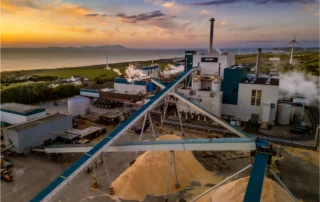
Holmen Workington increases sustainable power generation with HISS
Holmen Paper Mill in Workington, UK, identified an opportunity [...]

Interview with Hans Ladum-Poulsen, Heat Management’s newest representative
With many years of experience in the boiler and [...]
Improving Industrial Boiler Sustainability: Reducing Emissions Through Optimized Cleaning Technologies
November 27, 2025 /
You feel it every day. The immense pressure to push your plant to its operational limits while simultaneously satisfying the crushing weight of environmental, social, and governance goals. It’s a dual mandate that leaves no room for error. You’re expected to maximize output, minimize costs, and somehow, shrink your environmental footprint—all at the same time.
But what if one of the biggest obstacles to achieving this balance isn’t a complex process or a massive capital expenditure? What if it’s something you see every day but may have dismissed as a simple maintenance headache? We’re talking about boiler fouling—the silent saboteur of efficiency and a significant, often overlooked, driver of harmful emissions.
This isn’t just about keeping things clean. This is about fundamentally shifting your perspective. This article provides a direct, technical breakdown of how strategic, optimized boiler cleaning technologies are a critical lever for industrial boiler sustainability, directly reducing fuel consumption and slashing harmful emissions like CO₂, NOx, and SOx.
The Hidden Connection: How Fouling Degrades Both Performance and Environmental Footprint
It’s easy to see a layer of soot and think only of the physical cleanup. But the real damage is invisible. That layer of fouling is a thermal barrier, a hidden disease that infects your entire operation, degrading performance and poisoning the air.
The Thermal Efficiency Penalty: Burning More Fuel for the Same Output
Think of soot and ash as a thick, unwanted blanket wrapped around your boiler’s heat transfer surfaces. This insulating layer chokes the boiler’s ability to absorb heat effectively. To compensate and maintain the required steam temperature and pressure, the system has only one choice: burn more fuel.
This isn’t a minor adjustment. According to guidance from the U.S. Environmental Protection Agency, even small inefficiencies in boiler operations can lead to a significant increase in fuel consumption and, consequently, a direct rise in greenhouse gas emissions. Every extra ton of coal, gallon of oil, or cubic meter of gas burned just to overcome fouling adds directly to your plant’s CO₂ output per unit of energy produced.
You are literally burning money and polluting the air just to fight a battle against a layer of dust. This inefficiency tax is paid in wasted fuel and increased carbon emissions, a penalty that compounds with every hour of operation. It’s a losing game driven by a problem that has a smarter solution.
The Combustion Instability Problem: The Rise of NOx, SOx, and Particulates
The damage from fouling extends far beyond simple heat transfer. As deposits build unevenly, they disrupt the carefully engineered gas flow and temperature profiles inside the boiler. This creates chaotic conditions, leading to pockets of incomplete and inefficient combustion.
This instability is a breeding ground for poison. Inefficient combustion is a primary cause of increased Nitrogen Oxides (NOx), Sulfur Oxides (SOx), and particulate matter (PM). As noted in boiler efficiency guidelines, controlling the fuel and air mix is critical; low-NOx burners, for instance, can reduce NOx formation by 50% by optimizing this very process—a process that fouling actively undermines.
These aren’t just acronyms on a compliance sheet; they are harmful pollutants with real-world health consequences, contributing to smog, acid rain, and respiratory illnesses. By allowing fouling to dictate your combustion environment, you are inadvertently increasing your output of these dangerous emissions, putting your plant at risk of regulatory penalties and damaging your company’s public standing.
The Inefficiency of Conventional Cleaning
For decades, the standard response has been a brute-force, calendar-based approach to sootblowing. This method blasts surfaces with high volumes of steam at set intervals, regardless of the actual need. It’s a strategy that is both wasteful and potentially damaging.
This approach consumes enormous amounts of steam, representing a significant auxiliary energy cost and an emissions burden in its own right. Furthermore, the repeated thermal shocks can stress boiler components, leading to premature wear and potential failures. It’s a reactive, inefficient cycle that fails to address the root cause, highlighting the severe drawbacks of conventional sootblowing methods when compared to modern, intelligent alternatives.
A Strategic Approach: Leveraging Technology for Sustainable Cleaning
The cycle of fouling, inefficiency, and reactive cleaning is not inevitable. The future of sustainable boiler operation lies in moving away from brute force and embracing a smarter, more strategic philosophy. It’s about using technology to get ahead of the problem.
Precision and Prevention: The Foundation of Modern Boiler Cleaning
The modern approach is a complete paradigm shift. Instead of waiting for fouling to become a problem and then blasting it away, we must move to a proactive, data-driven cleaning strategy. This means using real-time data to understand precisely when and where to clean, and in many cases, preventing the hard deposits from forming in the first place.
This philosophy transforms cleaning from a janitorial task into a high-level operational strategy. It’s about maintaining peak efficiency and stable combustion continuously, not just for a few days after a scheduled cleaning. By leveraging data-driven cleaning solutions, you turn a reactive maintenance cost into a proactive tool for performance and sustainability.
High-Impact, Low-Consumption Sootblowing (The HISS® Principle)
Imagine achieving a superior clean while using dramatically less steam. That is the core principle behind intelligent sootblowing. By using optimized nozzle designs and intelligent sequencing, modern systems can target deposits with surgical precision, maximizing cleaning force where it’s needed most.
This is the foundation of technologies like the High-Impact, Low-Consumption Sootblowing (HISS®) system. The connection to emissions is twofold and direct. First, by significantly reducing steam consumption, you lower the auxiliary energy load required to generate that steam, cutting associated fuel use and emissions. Second, the more effective clean ensures heat transfer surfaces remain at optimal efficiency, preventing the excess fuel burn that drives up CO₂.
Proactive Fouling Prevention (The Infrasound Principle)
The ultimate solution to a problem is to prevent it from ever happening. This is the logic behind infrasound cleaning technology. Instead of removing hardened deposits, this method uses low-frequency, high-energy acoustic waves to keep particulate matter in the flue gas suspended, preventing it from sintering and bonding to boiler surfaces.
Think of it as preventative sustainability. By keeping surfaces consistently cleaner on a microscopic level, infrasound technology maintains high thermal efficiency and stable combustion day after day. This proactive approach prevents the deep efficiency troughs and dangerous emissions spikes that characterize a traditional fouling cycle, ensuring your boiler operates closer to its design specifications at all times.
The Measurable Impact of Optimized Cleaning on Your Sustainability Goals
Adopting advanced cleaning technology isn’t just an operational upgrade; it’s a direct investment in your company’s sustainability and financial future. The results are not abstract concepts—they are hard, quantifiable numbers that show up on your emissions reports and your bottom line.
Direct CO₂ Reduction
The math is simple and powerful. Improved heat transfer efficiency leads directly to lower fuel consumption. As advanced cleaning methods can increase boiler efficiency and reduce fuel consumption, the impact on your carbon footprint is immediate. A sustained 2% improvement in boiler efficiency can translate to thousands of tons of CO₂ saved annually for a typical biomass or power generation plant.
This is a direct, measurable reduction that flows from a single strategic decision. By optimizing your cleaning, you are actively decarbonizing your operations. You are turning a maintenance line item into one of your most effective carbon-reduction tools.
Controlling Harmful Pollutants (NOx, SOx, PM)
By ensuring the stable, predictable combustion environment that heavy fouling destroys, you regain control over your emissions profile. Optimized cleaning mitigates the formation of NOx, SOx, and particulate matter, helping your plant stay well within strict air quality regulations. This is crucial, as the push to replace fossil-fueled industrial boilers is driven by the immense public health costs associated with these very pollutants.
This isn’t just about avoiding fines; it’s about being a responsible corporate citizen. It demonstrates a commitment to the health of the communities in which you operate. It’s a powerful statement that your company takes its environmental obligations seriously.
Strengthening Your ESG Reporting
In today’s market, investors, customers, and regulators demand more than just promises. They demand action. Adopting intelligent cleaning technologies is a tangible, reportable action that directly supports corporate ESG commitments.
It is a proactive investment in sustainable operations, energy efficiency, and emissions reduction that you can highlight in your annual reports and corporate communications. This move strengthens your company’s reputation, enhances stakeholder confidence, and positions you as a leader in a world that is rapidly moving toward cleaner industrial practices. It proves you are not just talking about sustainability—you are engineering it into the core of your operations.
Cleaning as a Core Sustainability Strategy
The evidence is clear. Optimized boiler cleaning is no longer just a maintenance function relegated to the plant floor. It is a critical, high-impact lever for achieving industrial sustainability, a strategic tool for any organization serious about meeting its efficiency targets and its ESG (Environmental, Social, and Governance) goals.
The days of accepting fouling as an unavoidable cost of doing business are over. The future of efficient, compliant, and profitable boiler operation lies in intelligent, data-driven systems that prevent fouling and optimize cleaning processes in real-time. By shifting from a reactive to a proactive mindset, you can unlock significant reductions in fuel consumption, cut harmful emissions, and secure a competitive advantage in an increasingly green economy.
Discover how Heat Management’s integrated cleaning and monitoring solutions are helping industrial plants achieve their emissions reduction targets. Explore our case studies.
Latest news & articles
Meeting EU Emissions Standards Through Advanced Steam Sootblowing Technologies
The walls are closing in. For plant managers and engineers [...]
Holmen Workington increases sustainable power generation with HISS
Holmen Paper Mill in Workington, UK, identified an opportunity [...]
Interview with Hans Ladum-Poulsen, Heat Management’s newest representative
With many years of experience in the boiler and [...]